How to Choose Industrial Dust Collectors: A Complete Guide
Learn how to select and implement industrial dust collectors for optimal workplace safety, efficiency, and air quality compliance in manufacturing environments.
Industrial dust collectors are vital systems designed to capture, filter, and manage particulate matter generated during manufacturing and processing operations. These systems protect worker health, maintain equipment performance, and ensure compliance with environmental regulations. Understanding the fundamentals of dust collection technology empowers facility managers to select solutions that address their specific operational challenges while maintaining cost-effectiveness and reliability.
Understanding Industrial Dust Collection Systems
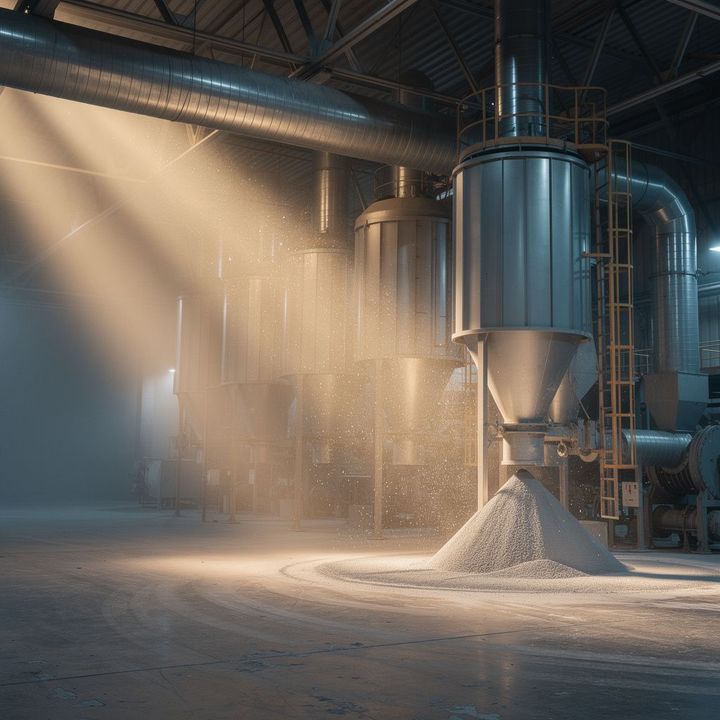
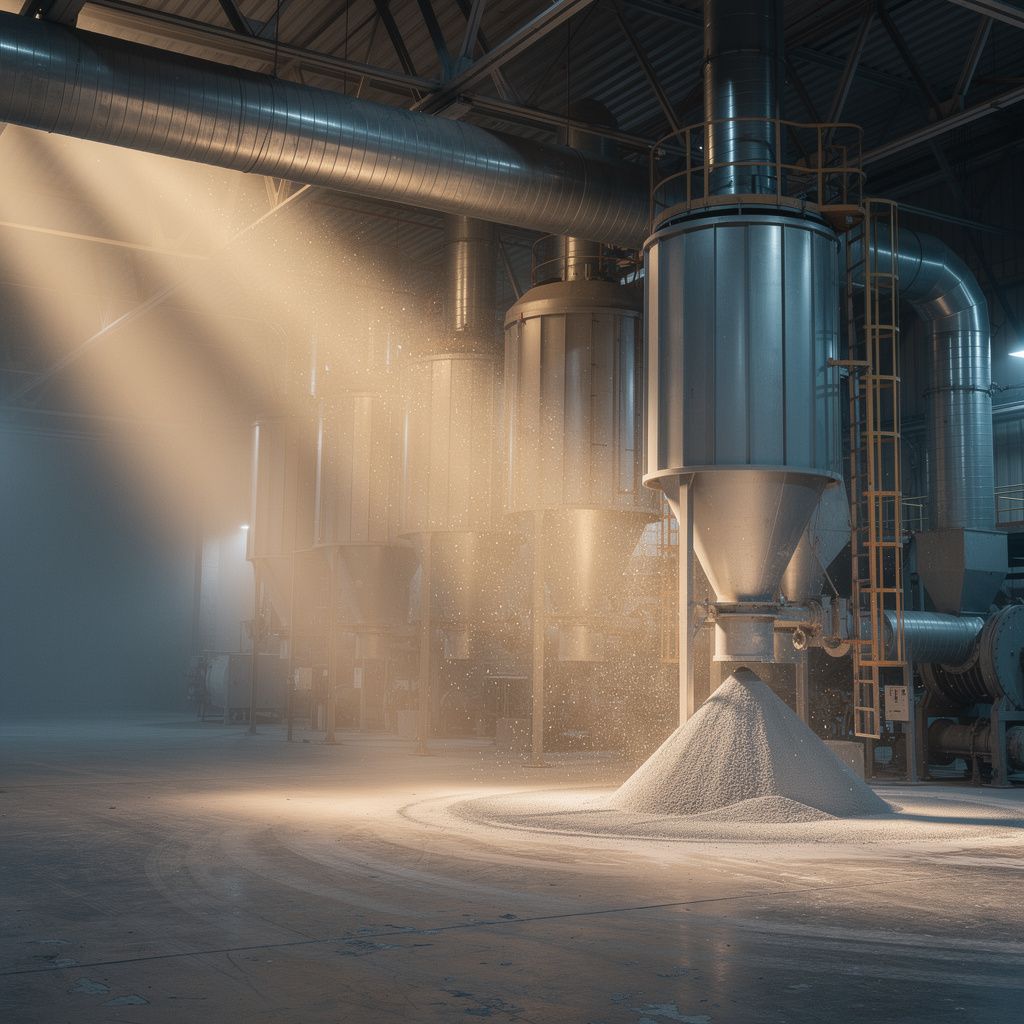
Dust collection systems operate by drawing contaminated air through collection points, moving it through ductwork, and filtering out particulate matter before releasing clean air back into the facility or atmosphere. The effectiveness of these systems depends on proper design, installation, and maintenance. Industrial dust collectors range from small portable units to large centralized systems serving entire facilities with multiple collection points.
The primary function of dust collection is to remove harmful particles from the workplace environment. These particles can include wood dust, metal fines, chemical powders, textile fibers, and other materials generated during manufacturing processes. Effective dust collection prevents these particles from becoming airborne, where they can be inhaled by workers and cause respiratory issues.
Benefits and Limitations of Dust Collection Systems
Industrial dust collectors provide numerous advantages for manufacturing operations. They significantly improve air quality by removing particulate matter that would otherwise circulate throughout the facility. This creates a healthier work environment, reduces worker illness and absenteeism, and can improve overall productivity. Additionally, dust collection protects equipment by preventing particles from accumulating on machinery, which can cause wear, overheating, and premature failure.
Dust collectors also help facilities maintain compliance with occupational safety regulations and environmental standards. Many jurisdictions have strict limits on airborne particulate matter, and proper dust collection systems ensure facilities meet these requirements. This compliance reduces legal liability and potential fines.
However, dust collection systems have limitations. They require significant capital investment, ongoing maintenance, and operational costs. Filter replacement, cleaning, and system repairs can be expensive. Systems also require adequate space for installation and may generate noise during operation. Additionally, improper system design or maintenance can reduce effectiveness and create safety hazards.
Types of Industrial Dust Collectors
Different dust collection technologies serve various industrial applications and particulate matter types. Understanding these options helps facility managers select systems appropriate for their specific needs.
Baghouse Collectors
Baghouse systems use fabric filter bags to capture dust particles. Air passes through the bags, and particles accumulate on the bag surface. These systems work well for high-volume dust collection and handle various particle sizes. Baghouse collectors are durable, reliable, and can process large volumes of contaminated air. They're commonly used in woodworking, metalworking, and pharmaceutical manufacturing.
Cartridge Collectors
Cartridge dust collectors use cylindrical filter elements instead of bags. These systems offer higher filtration efficiency and occupy less space than baghouse systems. Cartridge collectors are ideal for facilities with limited floor space and work effectively with fine particles. They're popular in automotive, pharmaceutical, and food processing industries.
Cyclone Separators
Cyclone systems use centrifugal force to separate dust from air. Contaminated air enters tangentially and spins at high velocity, causing heavier particles to fall to the bottom collection bin while cleaned air exits through the top. Cyclones are simple, require minimal maintenance, and work well for larger particles. They're often used as pre-filters before baghouse or cartridge systems to extend filter life.
Electrostatic Precipitators
These systems use electrical charges to attract and collect dust particles. Air passes between charged electrodes, particles become charged, and are attracted to collection plates. Electrostatic precipitators are effective for fine particles and require minimal filter replacement. They're commonly used in metalworking, welding, and chemical processing applications.
Current Trends in Dust Collection Technology
The dust collection industry continues to evolve with technological advances. Smart monitoring systems now allow facility managers to track filter performance, predict maintenance needs, and optimize system operation through real-time data analysis. IoT-enabled dust collectors provide alerts when filters require cleaning or replacement, reducing downtime and improving efficiency.
Energy efficiency has become increasingly important as facilities seek to reduce operational costs. Modern dust collectors incorporate variable frequency drives and optimized motor designs to minimize energy consumption. Additionally, manufacturers are developing filter materials that offer longer service life and better filtration efficiency, reducing replacement frequency and waste.
Sustainability considerations are also driving innovation. Facilities are increasingly interested in dust collection systems that recover valuable materials, allowing recovered dust to be reused or sold. This circular economy approach reduces waste and can offset collection system costs.
Key Features to Evaluate
When selecting industrial dust collectors, several important features should be considered:
- Air Flow Capacity (CFM): Measured in cubic feet per minute, CFM rating indicates how much air the system can process. Proper sizing ensures adequate capture at all collection points.
- Filtration Efficiency: Higher efficiency ratings capture more particles. Micron ratings indicate the smallest particles the system can filter effectively.
- Filter Type and Material: Different materials suit different applications. Polyester, fiberglass, and membrane filters each have specific advantages for particular dust types.
- Cleaning Mechanism: Pulse-jet, shaker, and reverse-air cleaning methods each offer different advantages regarding maintenance intervals and operational efficiency.
- Dust Capacity: The hopper or collection bin size determines how frequently dust must be emptied. Larger capacity reduces maintenance frequency but requires more space.
- Noise Level: Some applications require quieter operation. Modern systems offer noise-dampening features for sensitive environments.
- Footprint and Installation: Available space may limit system size. Modular systems offer flexibility for facilities with spatial constraints.
Comparison of Dust Collection Technologies
| Technology Type | Filtration Efficiency | Maintenance Level | Initial Cost | Space Requirements | Best Applications |
|---|---|---|---|---|---|
| Baghouse | High (99%+) | Moderate | High | Large | Woodworking, metalworking, high-volume operations |
| Cartridge | Very High (99.9%) | Low | Moderate-High | Small-Medium | Fine particle capture, space-limited facilities |
| Cyclone | Moderate (85-95%) | Very Low | Low | Medium | Pre-filtration, larger particles, cost-sensitive operations |
| Electrostatic | Very High (99%+) | Moderate | High | Medium | Fine particles, metalworking, welding operations |
Dust Collection System Selection Checklist
- Assess dust type, volume, and particle size characteristics
- Calculate required air flow capacity (CFM) for all collection points
- Evaluate available installation space and facility layout
- Determine budget constraints for capital and operational costs
- Review regulatory compliance requirements and standards
- Consider energy efficiency and long-term operational costs
- Assess maintenance capabilities and available resources
- Evaluate noise restrictions and environmental considerations
- Plan for future expansion or operational changes
- Verify vendor support, training, and service availability
Best Practices for Dust Collector Implementation
Successful dust collection requires proper planning and execution. Begin by conducting a thorough assessment of your facility's dust generation sources, volumes, and characteristics. Different dust types require different collection approaches, and understanding your specific needs prevents costly mistakes.
Proper ductwork design is critical for system effectiveness. Ducts must be sized appropriately to maintain adequate air velocity while minimizing pressure drop. Undersized ducts reduce collection efficiency, while oversized ducts waste energy. Professional system design ensures optimal performance.
Installation should follow manufacturer specifications and local codes. Improper installation can create safety hazards, reduce efficiency, and void warranties. Professional installation by experienced technicians ensures systems operate as designed.
Regular maintenance is essential for sustained performance. Filter cleaning or replacement schedules must be followed to prevent clogging and maintain air flow. Dust hopper emptying prevents overflow and maintains collection capacity. Periodic inspection identifies wear, leaks, or damage requiring attention.
Frequently Asked Questions About Industrial Dust Collectors
What is the difference between dust collection and air filtration?
Dust collection captures particles at the source where they're generated, preventing them from becoming airborne. Air filtration removes particles already suspended in the air. Effective facilities typically use both approaches—dust collection at source and air filtration for ambient air quality.
How often should dust collector filters be replaced?
Filter replacement frequency depends on dust volume, type, and system design. Some systems require monthly replacement, while others may operate for six months or longer. Modern systems with monitoring capabilities alert operators when filters need attention, optimizing replacement timing.
Can dust collectors recover valuable materials?
Yes, many industrial processes generate valuable dust that can be recovered and reused. Metal fines, plastic particles, and other materials can often be reclaimed, reducing waste and offsetting collection costs. System design should incorporate recovery features if material reclamation is a priority.
What safety considerations apply to dust collection systems?
Dust collection systems must comply with safety standards including proper grounding to prevent static electricity accumulation, which can create fire hazards with combustible dust. Systems should include explosion relief vents, isolation dampers, and emergency shut-off capabilities. Regular inspections ensure safety features function properly.
How does system size affect dust collection performance?
Undersized systems cannot capture all dust generated, reducing effectiveness and allowing particles to escape into the facility. Oversized systems waste energy but provide better safety margins. Proper sizing based on actual dust generation rates ensures optimal performance and cost-effectiveness.
What are the energy consumption implications of dust collectors?
Dust collectors consume significant electrical energy, particularly large centralized systems. Energy costs can represent a substantial portion of operational expenses. Variable frequency drives, optimized motor designs, and proper maintenance reduce energy consumption and operating costs over system lifetime.
Conclusion
Industrial dust collectors are essential investments in workplace safety, equipment protection, and regulatory compliance. By understanding the different technologies available, evaluating key features, and following best practices for selection and implementation, facility managers can choose systems that effectively address their specific needs while maintaining cost-effectiveness and reliability. Proper dust collection protects worker health, extends equipment life, and ensures facilities meet environmental and occupational safety standards. Whether upgrading existing systems or implementing new solutions, informed decision-making based on thorough facility assessment and technology understanding leads to successful dust collection outcomes that benefit operations and personnel.