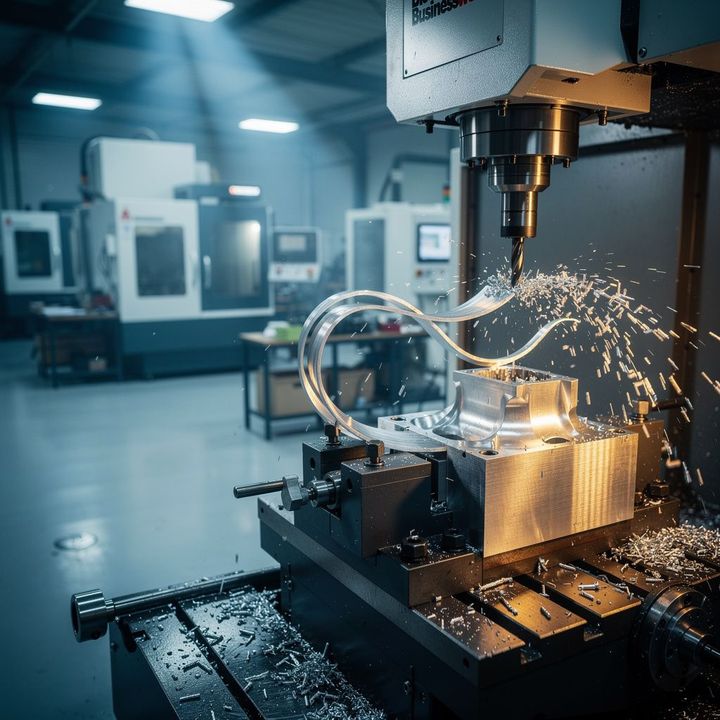
How to Choose CNC Milling Machines: Complete Guide
Learn how to select the right CNC milling machine for your manufacturing needs. Explore key features, types, and best practices for optimal performance.
CNC milling machines represent a cornerstone of modern manufacturing, enabling precise, repeatable production of complex components across industries ranging from aerospace to medical devices. These computer-controlled machines automate the cutting and shaping of various materials including metals, plastics, and composites with remarkable accuracy. Whether you're operating a small job shop or managing a large-scale manufacturing facility, understanding CNC milling technology is essential for optimizing production efficiency and maintaining competitive advantage in today's market.
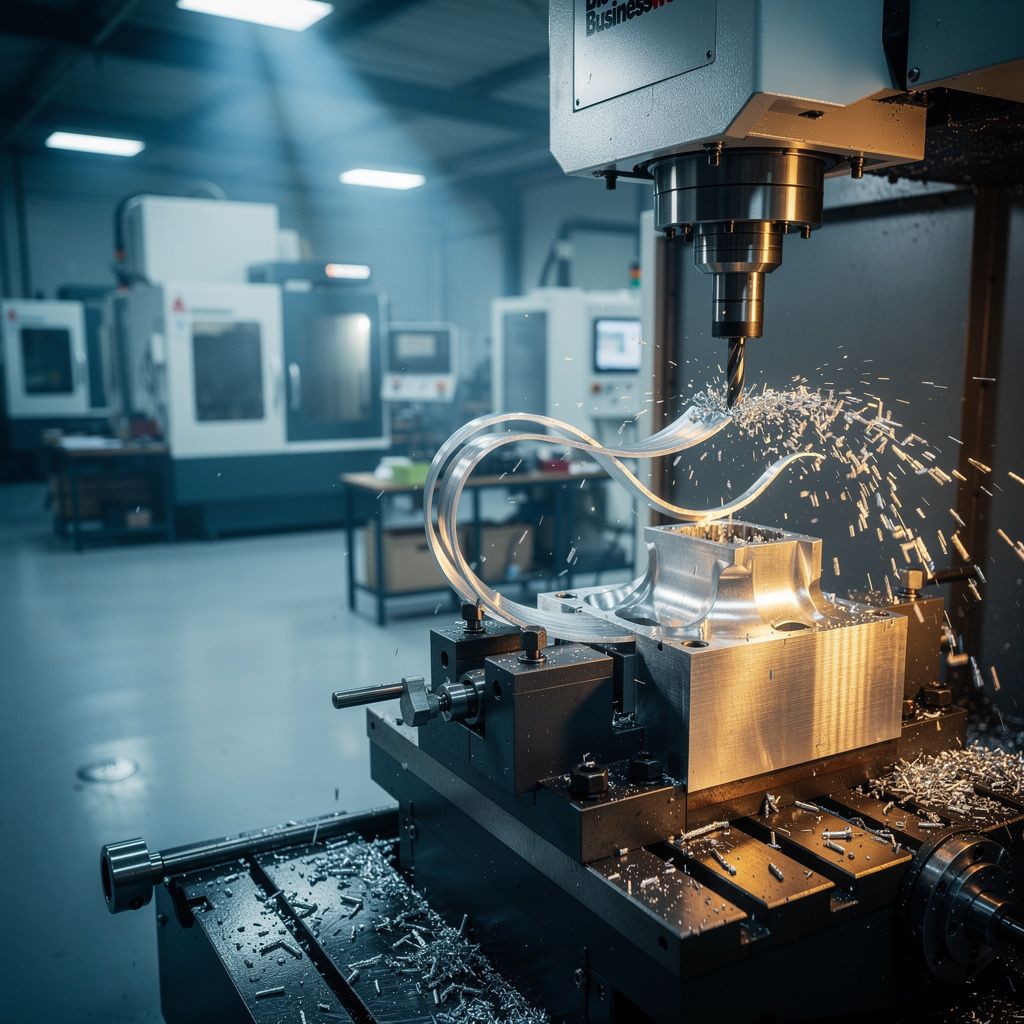
Understanding CNC Milling Machine Benefits and Limitations
CNC milling machines offer numerous advantages that have made them indispensable in modern manufacturing environments. The primary benefit is precision—these machines consistently produce parts with tolerances measured in thousandths of an inch, far exceeding what manual machining can achieve. This precision translates directly to reduced waste, fewer defects, and improved product quality.
Another significant advantage is efficiency. CNC machines operate continuously with minimal human intervention, allowing operators to manage multiple machines simultaneously. This increases throughput and reduces labor costs per unit produced. Additionally, these machines excel at producing complex geometries that would be difficult or impossible to create manually, opening possibilities for innovative product designs.
The versatility of CNC milling machines is another key benefit. A single machine can perform various operations—drilling, boring, tapping, and cutting—by simply changing tools and adjusting the program. This flexibility reduces the need for multiple specialized machines and streamlines production workflows.
However, CNC milling machines do have limitations worth considering. Initial capital investment is substantial, making them less practical for startups or businesses with limited budgets. The learning curve for programming and operation requires skilled technicians, and training costs can be significant. Additionally, these machines require regular maintenance and calibration to maintain accuracy, which adds to operational expenses. Setup time for new jobs, while shorter than manual machining, still requires careful planning and programming.
Types of CNC Milling Machines
The CNC milling machine landscape includes several distinct categories, each designed for specific applications and production volumes:
- Vertical Milling Machines: The most common type, featuring a vertically oriented spindle. These machines are ideal for general-purpose work and are particularly effective for drilling, boring, and face milling operations.
- Horizontal Milling Machines: Featuring a horizontally oriented spindle, these machines excel at heavy-duty cutting and are often preferred for production runs requiring high material removal rates.
- Bed Mills: Designed with a moving bed and fixed spindle, bed mills offer excellent rigidity and stability, making them suitable for large workpieces and heavy cutting operations.
- Turret Mills: Compact machines where the spindle remains stationary while the workpiece table moves, offering good versatility for small to medium-sized components.
- Gantry Mills: Large-scale machines with a bridge-type structure, ideal for machining large, flat workpieces and heavy components in aerospace and shipbuilding industries.
- 5-Axis Mills: Advanced machines capable of simultaneous movement in five directions, enabling complex sculptured surfaces and reducing setup time for intricate parts.
Current Industry Trends in CNC Milling
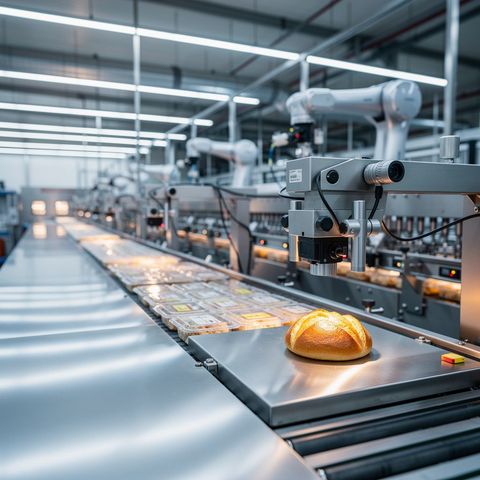
The CNC milling industry continues to evolve with several notable trends shaping the future of manufacturing. Automation integration is becoming increasingly prevalent, with machines now incorporating robotic arms for part loading and unloading, further reducing labor requirements and cycle times.
Industry 4.0 and smart manufacturing technologies are transforming how CNC machines operate. Modern machines feature advanced sensors, data collection capabilities, and connectivity that enable real-time monitoring, predictive maintenance, and integration with enterprise resource planning systems. This digital transformation allows manufacturers to optimize production schedules, reduce downtime, and improve overall equipment effectiveness.
Sustainability concerns are driving innovation in CNC technology. Manufacturers are developing more energy-efficient machines, improving coolant management systems, and creating better chip handling solutions to minimize environmental impact. Additionally, the push toward near-net-shape manufacturing and advanced materials processing is expanding the capabilities of CNC milling machines.
Essential Features to Consider
When evaluating CNC milling machines, several critical features warrant careful attention:
| Feature | Importance | Consideration |
|---|---|---|
| Spindle Speed | High | Measured in RPM; higher speeds suit harder materials and smaller tools |
| Cutting Power | High | Determines material removal rate and machine capability |
| Work Table Size | High | Must accommodate your largest workpieces with adequate clamping space |
| Positional Accuracy | High | Critical for precision work; verify repeatability specifications |
| Tool Changer Capacity | Medium | Larger capacity reduces tool change time during production |
| Coolant System | Medium | Effective cooling extends tool life and improves surface finish |
| Control System | High | Modern controls offer better programming options and diagnostics |
| Footprint | Medium | Consider available floor space and facility layout |
Leading CNC Milling Machine Manufacturers
The global CNC milling market includes numerous established and emerging manufacturers. Major players include companies known for precision engineering and innovative machine design. These manufacturers range from those specializing in entry-level machines suitable for small shops to producers of advanced, multi-axis systems for aerospace and automotive applications. When researching manufacturers, consider factors such as local service availability, parts accessibility, warranty offerings, and the availability of training resources.
Selecting the Right CNC Milling Machine
Choosing an appropriate CNC milling machine requires systematic evaluation of your specific needs. Begin by analyzing your typical workpiece dimensions, material types, required tolerances, and production volumes. Consider whether you need a general-purpose machine or a specialized system for particular operations.
Next, assess your budget constraints, including not just the machine purchase price but also installation, tooling, programming software, and training costs. Calculate the return on investment based on your expected production volume and profit margins.
Evaluate the technical specifications against your requirements. Ensure the machine offers sufficient spindle speed, cutting power, and work table size for your applications. Review the control system's capabilities and compatibility with your existing software infrastructure.
Finally, consider practical factors such as available floor space, electrical requirements, coolant disposal capabilities, and access to qualified service technicians in your region. Request demonstrations and speak with current users of machines you're considering to gain real-world insights into performance and reliability.
Practical Tips for CNC Milling Success
- Invest in Training: Ensure your team receives comprehensive training on machine operation, programming, and maintenance to maximize equipment utilization and longevity.
- Develop Preventive Maintenance Schedules: Regular maintenance prevents unexpected breakdowns and extends machine lifespan significantly.
- Optimize Tool Selection: Choosing appropriate cutting tools for specific materials and operations improves surface finish and reduces cycle times.
- Master Programming Efficiency: Invest time in learning CAM software to create efficient tool paths that minimize cycle time and tool wear.
- Monitor Machine Performance: Track production metrics and machine diagnostics to identify trends and address issues proactively.
- Maintain Clean Work Environment: A well-organized shop with proper chip management and coolant handling ensures consistent machine performance.
Frequently Asked Questions
What is the typical lifespan of a CNC milling machine? With proper maintenance, quality CNC milling machines typically operate effectively for 10-15 years or longer. Regular servicing, component replacement, and software updates can extend operational life significantly.
How much space does a CNC milling machine require? Space requirements vary considerably based on machine size. Compact vertical mills might need 10x10 feet, while larger machines can require 20x30 feet or more, including space for material handling and operator movement.
What materials can CNC milling machines process? Modern CNC mills can machine aluminum, steel, stainless steel, brass, copper, titanium, plastics, composites, and various other materials. Material selection affects spindle speed, cutting tool selection, and coolant requirements.
How accurate are CNC milling machines? High-quality CNC mills can achieve positional accuracy within 0.001 inches and maintain repeatability within 0.0005 inches, though accuracy depends on machine condition, tool quality, and programming precision.
What programming languages do CNC machines use? Most CNC machines use G-code, a standardized programming language. However, modern CAM software often abstracts this complexity, allowing programmers to work with more intuitive interfaces.
How often should CNC machines be serviced? Service intervals depend on usage intensity. Most manufacturers recommend preventive maintenance every 500-1000 operating hours, including spindle bearings, ways, and coolant system inspection.
Conclusion
CNC milling machines represent a significant investment in manufacturing capability and operational efficiency. By understanding the different types available, evaluating essential features, and carefully assessing your specific production requirements, you can select equipment that optimally supports your business objectives. The key to successful CNC milling operations lies not just in choosing the right machine, but in committing to proper training, maintenance, and continuous optimization of your processes. As manufacturing technology continues to advance, staying informed about industry trends and emerging capabilities will help you maintain competitive advantage and maximize the return on your investment in CNC milling equipment.