The Ultimate Guide to Fire Detection Systems
Learn how fire detection systems protect buildings and lives. Explore types, features, installation tips, and best practices for choosing the right system.
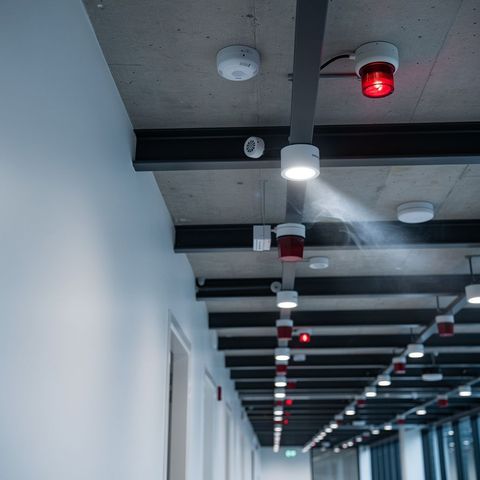
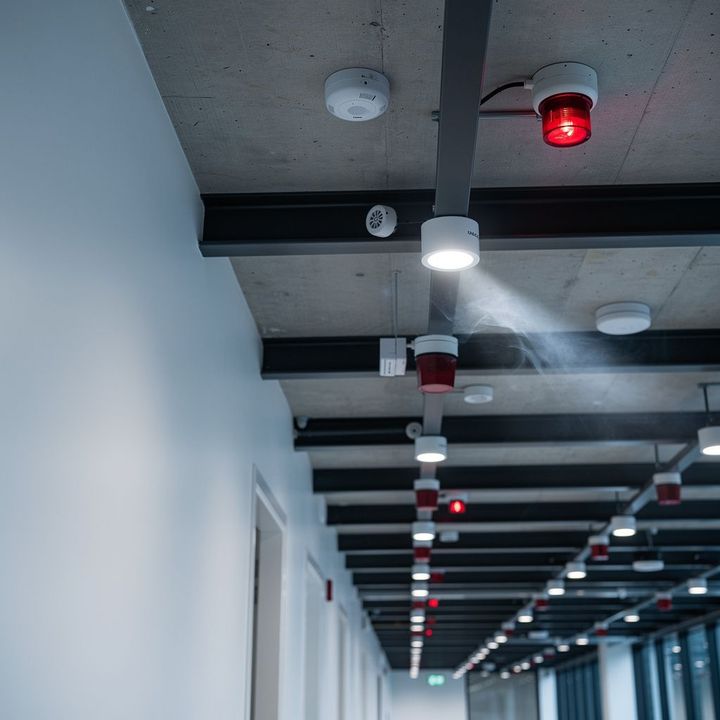
Fire detection systems are essential safety devices that identify the presence of fire in its early stages, providing critical time for occupants to evacuate and for emergency responders to intervene. These systems have evolved significantly over the past decades, incorporating advanced sensors, intelligent algorithms, and integrated communication technologies. Whether in residential homes, commercial buildings, industrial facilities, or specialized environments, fire detection systems serve as the first line of defense against the devastating consequences of uncontrolled fires. Understanding how these systems function, what types are available, and how to maintain them properly is crucial for anyone responsible for building safety.
Benefits and Limitations of Fire Detection Systems
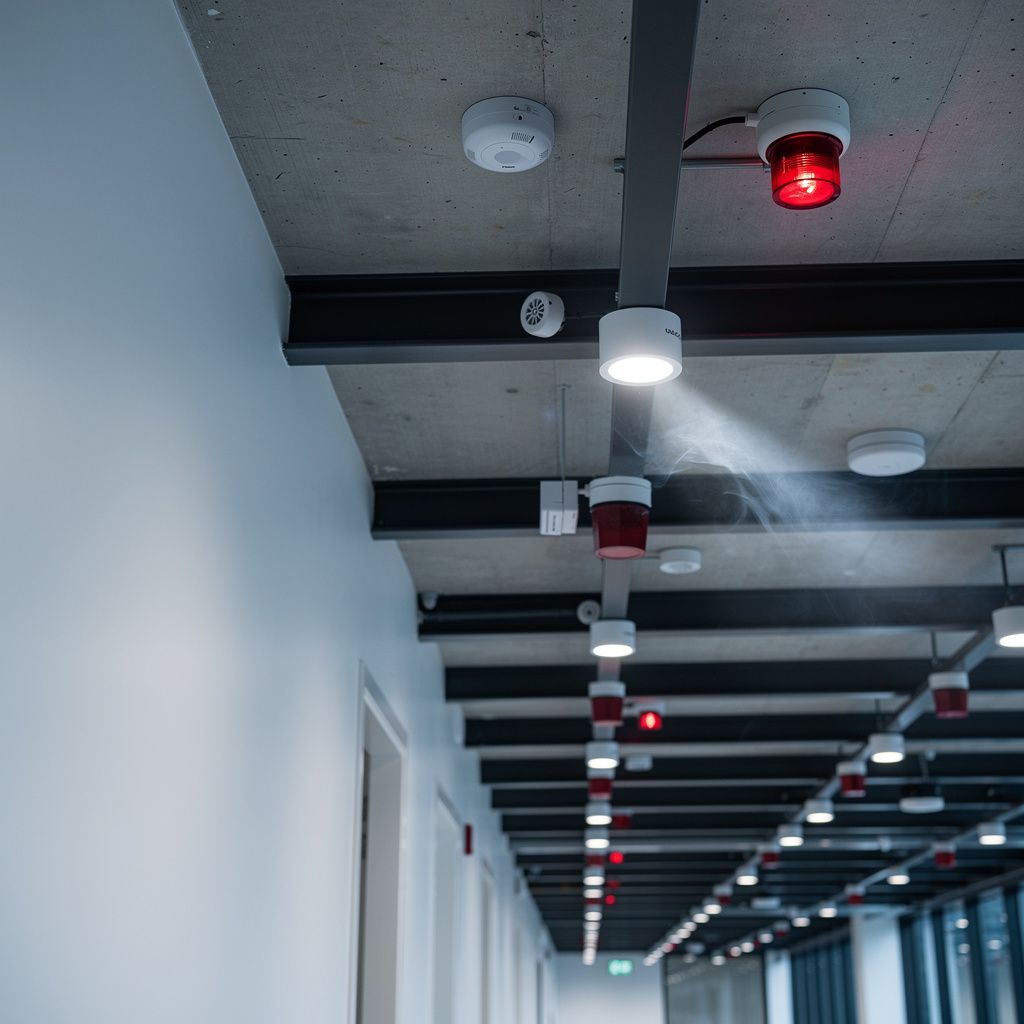
Fire detection systems provide numerous advantages that make them indispensable for modern buildings. The primary benefit is early warning capability, which can mean the difference between a minor incident and a catastrophic event. Early detection allows occupants more time to evacuate safely and enables emergency responders to arrive before fires spread uncontrollably. Additionally, these systems can trigger automatic responses such as activating sprinkler systems, closing fire doors, or shutting down HVAC systems to prevent smoke spread.
However, fire detection systems do have limitations. False alarms remain a persistent challenge, often caused by cooking smoke, steam, dust, or sensor malfunctions. These false alarms can lead to alarm fatigue, where occupants become desensitized to alerts, reducing response effectiveness. Some detection technologies may not work optimally in certain environments—for example, ionization detectors may be less effective in detecting smoldering fires, while photoelectric detectors may struggle with flaming fires. Additionally, system effectiveness depends heavily on proper installation, maintenance, and battery replacement in battery-operated units.
Types of Fire Detection Systems
Fire detection technology encompasses several distinct approaches, each with specific strengths for different applications:
Ionization Detectors
These detectors use a small radioactive source to ionize air molecules, creating a current. When smoke particles enter the chamber, they disrupt this current, triggering an alarm. Ionization detectors are particularly effective at detecting fast-flaming fires and work well in open spaces.
Photoelectric Detectors
Photoelectric sensors use a light source and photocell. When smoke particles scatter light toward the photocell, an alarm is triggered. These detectors excel at detecting slow-burning, smoldering fires that produce heavy smoke.
Dual-Sensor Detectors
Combining both ionization and photoelectric technologies, dual-sensor detectors provide comprehensive coverage for both fast-flaming and slow-burning fires, making them versatile for most applications.
Heat Detectors
Heat detectors respond to temperature changes rather than smoke. Fixed-temperature detectors alarm when ambient temperature reaches a set threshold, while rate-of-rise detectors activate when temperature increases rapidly. These are ideal for kitchens and garages where smoke from cooking or normal operations might trigger false alarms.
Flame Detectors
Using infrared or ultraviolet sensors, flame detectors identify the radiation signature of flames. These are commonly used in industrial settings, warehouses, and high-risk areas where rapid detection is critical.
Air Sampling Detection Systems
These sophisticated systems continuously sample air from throughout a building through a network of pipes, analyzing it for combustion particles. They provide extremely early detection and are used in high-value facilities like data centers and museums.
Current Industry Trends and Innovations
The fire detection industry continues to evolve with technological advancement. Wireless connectivity is becoming increasingly common, allowing detectors to communicate without hardwiring, simplifying installation and maintenance. Artificial intelligence and machine learning are being integrated into detection systems to reduce false alarms by learning to distinguish between genuine fire signatures and environmental noise.
Smart integration is another significant trend, with fire detection systems now connecting to building management systems, security networks, and mobile applications. This allows facility managers to monitor system status remotely and receive real-time alerts. Additionally, multi-sensor fusion technology combines data from multiple sensor types to improve detection accuracy and reduce false alarms. Environmental considerations are also driving innovation, with manufacturers developing more sustainable products and reducing reliance on radioactive materials in ionization detectors.
Key Features and Specifications
When evaluating fire detection systems, several important features should be considered:
- Response Time: The speed at which a detector identifies fire conditions and triggers an alarm
- Sensitivity Settings: Adjustable thresholds to balance detection capability with false alarm reduction
- Power Supply: Battery-operated, hardwired, or hybrid systems with backup power
- Interconnectivity: Wired, wireless, or networked communication between detectors
- Coverage Area: Detection range and effectiveness in different room sizes and configurations
- Environmental Tolerance: Performance in varying temperatures, humidity, and atmospheric conditions
- Certification: Compliance with relevant safety standards and building codes
- Maintenance Requirements: Testing frequency, battery replacement intervals, and cleaning needs
Comparison of Detection Technologies
| Technology | Best For | Strengths | Limitations |
|---|---|---|---|
| Ionization | Fast-flaming fires, open spaces | Rapid response, cost-effective | Less effective for smoldering fires |
| Photoelectric | Smoldering fires, enclosed spaces | Excellent smoke detection, fewer false alarms | Slower response to flaming fires |
| Dual-Sensor | Mixed fire scenarios, general use | Comprehensive coverage, versatile | Higher cost, more complex |
| Heat Detection | Kitchens, garages, industrial areas | Minimal false alarms, simple operation | Slower detection, requires high temperatures |
| Flame Detection | Industrial, high-risk facilities | Extremely rapid detection, minimal false alarms | High cost, specialized installation |
| Air Sampling | High-value facilities, data centers | Earliest possible detection, very sensitive | Complex, expensive, requires maintenance |
Leading Manufacturers and Providers
The fire detection market includes numerous established manufacturers offering diverse product portfolios. Major companies in this space provide systems ranging from basic residential smoke detectors to enterprise-scale integrated solutions. These manufacturers invest heavily in research and development to advance detection technology, improve reliability, and reduce false alarm rates. When selecting a fire detection system, it's important to consider manufacturers with strong track records, comprehensive product warranties, and reliable technical support.
Selecting the Right Fire Detection System
Choosing an appropriate fire detection system requires careful assessment of your specific needs:
- Evaluate Your Environment: Consider building size, layout, occupancy type, and potential fire hazards. Different spaces have different detection needs.
- Understand Local Codes: Review building codes and fire safety regulations in your jurisdiction, as these often mandate specific detection requirements.
- Assess Fire Risk: Identify the types of fires most likely in your environment—fast-flaming or slow-burning—to select appropriate detection technology.
- Consider Integration Needs: Determine whether you need standalone detectors or integration with building management and security systems.
- Plan for Maintenance: Choose systems that align with your capacity for regular testing, battery replacement, and professional servicing.
- Review Certifications: Verify that systems meet applicable safety standards and certifications for your region.
Installation and Maintenance Tips
Proper installation and maintenance are critical for fire detection system effectiveness:
- Placement Matters: Install detectors on ceilings or high on walls where smoke and heat naturally rise. Avoid corners and areas with air movement that might disperse smoke.
- Spacing Guidelines: Follow manufacturer recommendations for detector spacing, typically one detector per 500 square feet for residential applications.
- Avoid Obstacles: Keep detectors clear of obstructions, dust, and debris that could interfere with sensor function.
- Test Regularly: Test detectors monthly using the test button to ensure proper operation.
- Replace Batteries: Change batteries in battery-operated detectors at least annually, or when low-battery indicators activate.
- Professional Inspection: Have complex systems professionally inspected and serviced annually by qualified technicians.
- Keep Records: Maintain documentation of installation dates, maintenance activities, and any repairs or replacements.
Frequently Asked Questions
How often should fire detectors be replaced?
Most smoke detectors should be replaced every 10 years, though some manufacturers recommend replacement every 5-7 years. Check the manufacturing date on your detectors and follow manufacturer guidelines. Batteries should be replaced at least annually.
What causes false alarms in fire detection systems?
Common causes include cooking smoke, steam from bathrooms, dust accumulation, insect intrusion, low batteries, and sensor aging. Proper placement away from kitchens and bathrooms, regular cleaning, and timely battery replacement help minimize false alarms.
Can fire detectors be installed in basements?
Yes, but placement is important. Install detectors at the bottom of stairs leading to basements, as smoke rises and may not reach ceiling-mounted detectors. Consider the specific hazards in your basement when selecting detector types.
Are interconnected fire detectors better than standalone units?
Interconnected detectors provide enhanced safety by alerting all units when one detects fire, ensuring everyone hears the alarm regardless of location. This is particularly valuable in larger homes or multi-story buildings, though standalone units provide adequate protection for smaller spaces.
What is the difference between fire detection and fire suppression?
Fire detection systems identify fires and alert occupants and responders, while fire suppression systems actively work to extinguish or control fires. Both are important components of comprehensive fire safety, and they work together to protect people and property.
How do smart fire detectors improve safety?
Smart detectors can send alerts to mobile devices, integrate with home automation systems, and provide diagnostic information about system status. They enable remote monitoring and faster response to alerts, particularly valuable when occupants are away from the building.
Conclusion
Fire detection systems represent a fundamental investment in safety, protecting lives and property by providing early warning of fire conditions. The variety of available technologies—from traditional ionization and photoelectric detectors to advanced air sampling and flame detection systems—ensures that appropriate solutions exist for virtually any application. Understanding the strengths and limitations of different detection methods, staying informed about industry innovations, and maintaining systems properly are essential responsibilities for building owners and managers. By selecting the right system for your specific environment, installing it correctly, and maintaining it diligently, you can maximize the effectiveness of your fire detection infrastructure and provide occupants with the critical early warning that can save lives.