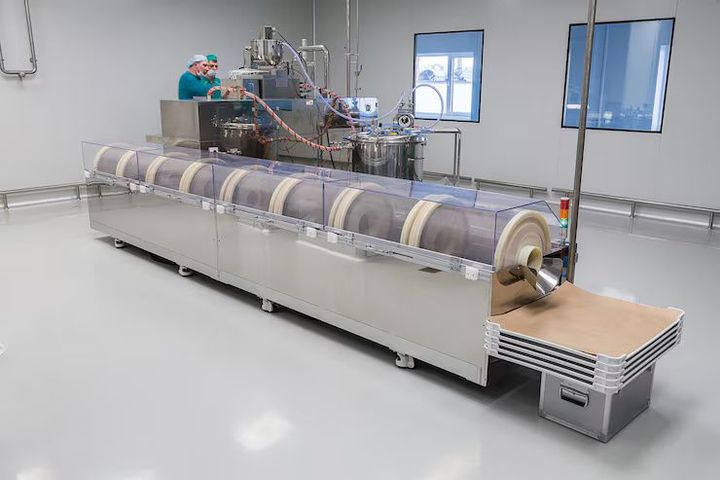
Thermoforming Machines: Discover Plastic Forming Technology and Packaging Applications
Thermoforming Machines are used to heat plastic sheets or films and shape them into specific forms for packaging and industrial applications. This article covers plastic forming technology, machine components, heating systems, forming methods, trimming, automation, packaging applications, quality control, safety requirements, and recent developments.
Thermoforming Machines: Discover Plastic Forming Technology and Packaging Applications
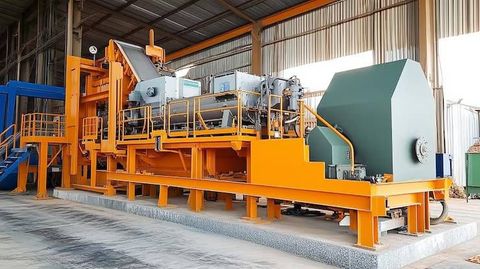
Thermoforming Machines are specialized equipment used to heat plastic sheets or films until they become sufficiently flexible for shaping. The heated material is then formed over or into a mold using vacuum, pressure, mechanical movement, or a combination of these methods.
Thermoforming is widely used for packaging, food containers, trays, cups, lids, medical packaging, electronics packaging, automotive components, and other plastic products. Modern equipment can combine sheet feeding, heating, forming, trimming, stacking, and material handling into a coordinated production system.
Context
Thermoforming is a plastic processing method based on controlled heating and shaping. Unlike processes that create plastic parts directly from pellets, thermoforming generally starts with a prepared plastic sheet or roll.
The sheet passes through a heating section before reaching the forming station. Once the material reaches an appropriate forming condition, it is shaped using a mold and a selected forming method. After cooling, the formed material can be trimmed and separated into individual products.
Main Machine Components
A typical thermoforming system may include:
Sheet or roll feeding system
Heating section
Temperature control system
Forming station
Mold
Vacuum system
Compressed-air system
Cooling system
Trimming unit
Stacking system
Conveyor
Control panel
Sensors
The exact configuration depends on the material, product design, forming method, and production requirements.
Material Feeding
Thermoforming Machines can be designed for sheet-fed or roll-fed material. Sheet-fed systems use individual sheets, while roll-fed systems continuously introduce a plastic web into the machine.
Feeding systems must maintain accurate material positioning as the sheet moves between heating and forming stations.
Heating
Heating is one of the most important stages of thermoforming. Plastic sheet needs to reach a suitable temperature range so that it can deform without losing the required material characteristics.
Heating systems may use multiple zones so that different areas of the sheet can be controlled separately. Sensors and control systems help monitor temperatures across the heating section.
Forming
After heating, the softened plastic enters the forming station. The material is shaped against a mold using vacuum, compressed air, mechanical assistance, or a combination of techniques.
The selected forming method depends on product geometry, material properties, wall thickness requirements, and production configuration.
Cooling
After forming, the plastic needs to cool sufficiently to retain the intended shape. Cooling can involve mold cooling, controlled airflow, water circulation, or other machine-specific methods.
Temperature management during forming and cooling can influence dimensional stability and surface appearance.
Trimming
Formed sheets normally contain excess material around the individual products. Trimming systems separate the finished shapes from the surrounding web.
Depending on the machine, trimming may be integrated directly into the thermoforming line or performed in a separate operation.
Importance
Thermoforming Machines are important for producing shaped plastic products with repeatable dimensions and controlled forming conditions. Their flexibility allows them to support many packaging formats and industrial applications.
Packaging Applications
Thermoformed packaging can include:
Food trays
Cups
Lids
Blister packs
Clamshell packaging
Produce containers
Bakery trays
Electronic component packaging
Medical packaging
Industrial trays
The material and forming configuration depend on the intended application.
Product Shape
Thermoforming can create shallow or relatively deep shapes depending on the material, mold, heating system, and forming technology.
Mold design is particularly important because it determines much of the final product geometry.
Material Selection
Common thermoforming materials include several thermoplastic polymers, such as PET, PS, PP, PVC, and ABS, depending on the application.
Each material has different heating, forming, cooling, and processing characteristics. Material selection should therefore correspond with the machine and intended product.
Wall Thickness
Wall thickness distribution is an important consideration in thermoformed products. During forming, the heated sheet stretches as it takes the shape of the mold.
Heating patterns, forming speed, pre-stretch mechanisms, mold geometry, and material properties can influence the resulting thickness distribution.
Automation
Modern Thermoforming Machines can automate several production stages. Feeding, heating, forming, trimming, stacking, and material handling may be coordinated through programmable control systems.
Automation can help maintain repeatable machine sequences and reduce repetitive manual handling.
Material Recovery
Thermoforming operations can generate trimmed plastic material around finished products. Depending on the material and production system, this scrap may be collected for appropriate recycling or reprocessing.
Material recovery arrangements depend on material composition and applicable processing practices.
Recent Updates
Recent developments in Thermoforming Machines have focused on digital controls, improved heating systems, automated material handling, process monitoring, mold technology, energy management, and integration with downstream equipment.
Multi-Zone Heating
Modern heating systems can divide the sheet-heating area into multiple independently controlled zones. This allows the temperature profile to be adjusted across different parts of the material.
Controlled heating can support more consistent forming when product geometry requires different stretching conditions.
Digital Temperature Control
Electronic temperature monitoring allows operators to observe heating conditions through centralized control systems.
Sensors can provide information from different heating zones, while programmable controls can regulate the heating sequence.
Servo-Driven Forming
Servo-driven mechanisms are used in some modern machines to coordinate forming, material movement, and trimming operations.
Electronic motion control can provide accurate synchronization between machine sections.
Automated Trim Handling
Automated trimming and scrap-removal systems can separate formed products from the remaining sheet and direct excess material toward collection systems.
Integration can simplify material flow between forming and downstream operations.
Vision Inspection
Some production systems can incorporate camera-based inspection. These systems may monitor selected product characteristics such as shape, positioning, surface appearance, or missing features.
Automated inspection capabilities vary according to machine configuration and product requirements.
Energy Management
Heating systems represent an important energy-consuming section of thermoforming equipment. Modern machines may use improved insulation, controlled heating zones, efficient drives, and automatic operating modes.
Energy consumption depends on material type, sheet thickness, production speed, heating configuration, and machine design.
Integrated Production Lines
Thermoforming equipment can be connected with downstream systems for trimming, stacking, labeling, packaging, or other processes.
Digital communication between machine sections can help coordinate production sequences and material movement.
Laws or Policies
Thermoforming operations are subject to workplace safety, electrical, environmental, waste-management, and product-specific requirements that vary by country and application. Facilities should follow current requirements applicable to their operations.
Workplace Safety
Thermoforming equipment contains heated surfaces, moving molds, cutting mechanisms, rollers, conveyors, and other mechanical components.
Guards, emergency stops, safe access procedures, operator training, and maintenance practices are important parts of workplace safety.
Thermal Safety
Heating sections can operate at elevated temperatures. Operators should avoid unnecessary contact with heated surfaces and follow established procedures for accessing or maintaining heating equipment.
Appropriate protective measures should be used when handling hot components or recently processed materials.
Electrical Safety
Thermoforming systems contain heaters, motors, drives, sensors, control panels, and other electrical equipment.
Electrical installation and maintenance should follow applicable requirements and be performed by appropriately qualified personnel where required.
Plastic Waste Management
Trimming and forming processes can generate plastic scrap. Appropriate collection, segregation, recycling, and disposal practices should be followed according to material type and local requirements.
Mixed or contaminated plastic streams may require different handling procedures.
Packaging Requirements
When thermoformed products are used for food, pharmaceutical, medical, or other regulated applications, additional requirements may apply to materials, cleanliness, labeling, product-contact surfaces, and manufacturing conditions.
The specific requirements depend on the application and jurisdiction.
Tools and Resources
Thermoforming production relies on forming equipment, molds, heating systems, measurement instruments, inspection equipment, and maintenance resources.
Heating Equipment
Heating sections may use infrared heaters, ceramic heating elements, quartz systems, or other technologies.
Multi-zone temperature control can help manage the heating profile across the sheet.
Forming Equipment
Core forming equipment may include:
Forming molds
Vacuum systems
Pressure systems
Plug-assist mechanisms
Mold cooling systems
Forming frames
Clamping systems
The selected configuration depends on the product geometry and forming method.
Trimming Equipment
Trimming systems can use dies, knives, rotary cutting tools, or other mechanisms to separate formed products.
Tool selection depends on material thickness, product design, and production arrangement.
Measurement Equipment
Thermoforming operations may use temperature sensors, thickness gauges, dimensional measurement tools, pressure gauges, vacuum gauges, and other process instruments.
These tools can support setup, monitoring, and quality assessment.
Inspection Resources
Finished products can be checked for:
Dimensions
Shape
Wall thickness
Surface appearance
Trim quality
Mold definition
Cracks or deformation
Product positioning
Inspection can be manual, sensor-based, camera-based, or a combination.
Maintenance Resources
Routine maintenance may include inspection of heaters, molds, vacuum pumps, pneumatic components, cutting tools, drive systems, sensors, belts, and cooling circuits.
Machine-specific manuals and maintenance schedules should be used to determine appropriate inspection and maintenance procedures.
Digital Resources
Technical manuals, machine specifications, mold drawings, material data sheets, safety documentation, process records, and regulatory information can support thermoforming operations.
Training resources can also help operators understand heating, forming, trimming, machine setup, and quality monitoring.
FAQs
What are Thermoforming Machines used for?
Thermoforming Machines are used to shape heated plastic sheets or films into products such as trays, cups, lids, blister packs, containers, and industrial components.
How do Thermoforming Machines work?
The machine feeds plastic sheet into a heating section, where the material becomes flexible. It is then shaped against a mold using vacuum, pressure, mechanical assistance, or a combination of forming methods before cooling and trimming.
What materials are used in thermoforming?
Thermoforming can process various thermoplastic materials, including PET, PS, PP, PVC, and ABS. The suitable material depends on the intended product, forming conditions, and application requirements.
What factors affect thermoforming quality?
Heating temperature, temperature distribution, sheet thickness, mold design, forming pressure, vacuum conditions, forming speed, cooling, and material characteristics can all affect the final product.
What applications use thermoformed packaging?
Thermoformed packaging is used for food trays, cups, lids, blister packs, clamshells, produce containers, bakery products, electronic components, medical packaging, and various industrial products.
Conclusion
Thermoforming Machines provide a controlled method for shaping heated plastic sheets into packaging and industrial products. The process combines material feeding, multi-zone heating, forming, cooling, trimming, and product handling into a coordinated production sequence. Digital controls, automated inspection, servo-driven movement, improved heating systems, and integrated material handling are supporting continued development in thermoforming technology. Understanding materials, heating, mold design, forming methods, trimming, quality control, and safety requirements provides a useful foundation for understanding modern plastic forming systems.