Stick Pack Machines: Key Features for Better Packaging
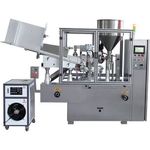
Stick pack machines are automated packaging systems designed to form narrow, elongated flexible packages and fill them with measured quantities of products.
They can handle powders, liquids, granules, and other flowable materials, depending on the machine configuration.
Unlike conventional sachets, stick packs have a slim, tube-like format that can be convenient for single-use products. Modern machines combine film unwinding, forming, dosing, sealing, cutting, and electronic controls into one coordinated packaging process.
They are used across food, beverage, pharmaceutical, nutraceutical, personal-care, and household-product applications.
Why Stick Pack Machines Matter
Single-serve packaging requires accurate dosing, reliable sealing, controlled film movement, and consistent package dimensions. Stick pack machines coordinate these operations automatically to produce multiple packages within each production cycle.
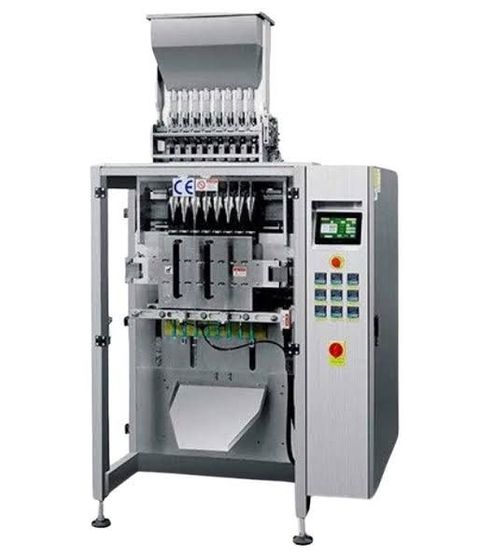
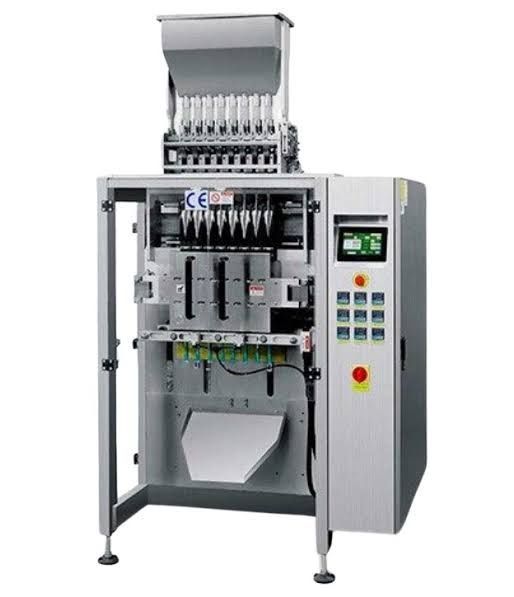
Multi-lane configurations allow several stick packs to be produced simultaneously. The number of lanes can vary according to the machine design, product characteristics, package dimensions, and required production capacity.
The narrow package format can also reduce the amount of packaging material used per serving compared with some larger flexible formats, although the actual material requirement depends on package dimensions and film construction.
How Stick Pack Machines Work
A typical stick pack machine follows a sequence of coordinated operations:
- Film unwinding: Flexible packaging film is supplied from a roll.
- Film registration: Sensors monitor the film position and printed marks when applicable.
- Forming: The film is shaped into narrow tubular channels.
- Longitudinal sealing: The film edges are joined to create the stick-pack structure.
- Product dosing: A measured quantity of product is prepared for filling.
- Filling: The product enters each formed stick pack.
- Cross sealing: The top and bottom of each package are sealed.
- Cutting: Individual stick packs are separated.
- Discharge: Finished packages are transferred to collection or downstream equipment.
The exact sequence can differ between vertical and other machine configurations.
Main Types of Stick Pack Machines
Powder Stick Pack Machines
Powder machines are designed for products such as instant beverages, spices, pharmaceutical powders, nutritional formulations, and other dry materials.
Auger fillers, volumetric systems, or other dosing technologies can be selected according to powder density and flow characteristics.
Liquid Stick Pack Machines
Liquid systems handle products such as sauces, beverages, concentrates, oils, and selected personal-care formulations.
Pump-based or volumetric filling systems may be used depending on viscosity and required filling volume.
Granule Stick Pack Machines
Granular products can include sugar, salt, seeds, small food particles, and other free-flowing materials.
Volumetric or weighing systems can be used according to product characteristics and filling requirements.
Multi-Lane Stick Pack Machines
Multi-lane systems produce several stick packs simultaneously.
Increasing the number of lanes can increase production capacity, but lane configuration must match the product, film width, package size, and filling system.
Key Features of Stick Pack Machines
Multi-Lane Production
Multiple filling lanes allow several packages to be formed and filled during the same operating cycle.
This configuration is useful for applications requiring a high number of single-serve packages.
Controlled Dosing
The filling system determines the quantity of product introduced into each stick pack.
Different dosing technologies are selected for powders, liquids, granules, and viscous products.
Film Registration
Printed packaging film may contain registration marks that help the machine maintain accurate package positioning.
Sensors detect these marks and provide feedback to the control system.
Automated Sealing
Stick pack machines use controlled sealing mechanisms to close the package.
For heat-sealable films, temperature, pressure, and dwell time must be coordinated to produce consistent seals.
Cutting Systems
Cutting mechanisms separate the continuous strip into individual packages or connected groups.
Cutting timing is synchronized with film movement and sealing cycles.
Electronic Controls
Control systems manage filling parameters, sealing temperatures, machine speed, film movement, alarms, and other operating functions.
Modern interfaces can store recipes for different package formats and products.
Important Stick Pack Machine Specifications
| Specification | Importance |
|---|---|
| Number of lanes | Determines simultaneous package production |
| Filling range | Defines the supported product quantity |
| Stick pack dimensions | Determines package format |
| Film width | Influences lane configuration |
| Machine speed | Indicates production cycle capability |
| Filling accuracy | Influences quantity consistency |
| Sealing temperature range | Supports suitable film sealing |
| Product type | Determines appropriate dosing technology |
| Film compatibility | Defines suitable packaging materials |
| Control system | Manages machine operation and settings |
Specifications should be evaluated together because product behavior, package dimensions, film characteristics, and lane count directly influence machine performance.
Factors Affecting Stick Pack Machine Performance
Product Characteristics
Product viscosity, bulk density, particle size, moisture, temperature, and flowability can affect the filling process.
A free-flowing powder may require different equipment from a cohesive or moisture-sensitive powder.
Filling Accuracy
Accurate dosing depends on the filling technology and the physical behavior of the product.
Variations in bulk density, viscosity, or particle distribution can influence the amount delivered during each cycle.
Packaging Film
Film thickness, flexibility, sealing properties, barrier characteristics, and surface treatment can affect machine operation.
Film must be compatible with the forming, sealing, and cutting systems.
Sealing Conditions
Heat-sealed materials require appropriate temperature, pressure, and dwell time.
Incorrect settings can result in incomplete seals, excessive material deformation, or other package defects.
Machine Speed
Machine speed affects filling time, film movement, sealing, and cutting.
The practical operating rate should therefore be established based on the complete process rather than maximum mechanical speed alone.
Stick Pack Machines vs. Sachet Filling Machines
Stick packs and sachets are both flexible packages, but their shapes and machine configurations differ.
| Feature | Stick Pack Machines | Sachet Filling Machines |
|---|---|---|
| Package shape | Narrow and elongated | Usually wider and shorter |
| Typical format | Single-serve stick | Flat or pillow-style sachet |
| Film arrangement | Commonly narrow tubular channels | Varies by sachet design |
| Product range | Liquids, powders, granules | Liquids, powders, granules, pastes |
| Lane configuration | Often multi-lane | Single or multi-lane |
| Common applications | Beverages, powders, condiments | Food, pharmaceutical, personal care |
The appropriate format depends on the product, serving quantity, consumer handling requirements, packaging material, and production process.
Applications of Stick Pack Machines
Food Products
Stick packs can package sugar, salt, spices, sauces, instant mixes, sweeteners, and other food products.
Beverage Products
Powdered beverages, coffee, tea mixes, electrolyte formulations, and similar products can be packaged in single-serve stick formats.
Pharmaceutical Products
Certain powders, granules, and liquid formulations can use stick-pack packaging where the product and regulatory requirements permit.
Nutraceutical Products
Powdered nutritional formulations and supplements can be packaged in single-dose stick packs.
Personal-Care Products
Selected gels, creams, and liquid formulations can be packaged in narrow flexible formats.
Best Practices for Selecting Stick Pack Machines
- Identify the product type: Determine whether the material is a powder, liquid, granule, or viscous formulation.
- Define the filling range: Establish the required quantity for each package.
- Analyze product flow characteristics: Consider viscosity, density, particle size, and moisture.
- Determine package dimensions: Define stick length and width according to the intended application.
- Select the dosing technology: Match the filler with the product's physical characteristics.
- Choose the lane configuration: Consider production requirements and available film width.
- Review film compatibility: Check material structure, thickness, sealing properties, and barrier requirements.
- Evaluate sealing controls: Consider temperature, pressure, and dwell-time adjustment.
- Assess automation: Review sensors, alarms, recipe management, and machine monitoring.
- Plan cleaning and maintenance: Ensure product-contact areas and critical machine components are accessible.
Who Are Stick Pack Machines Suitable For?
Stick pack machines are suitable for food manufacturers, beverage producers, pharmaceutical facilities, nutraceutical manufacturers, personal-care companies, and other packaging operations that require compact single-serve flexible packages.
The appropriate system depends on product characteristics, filling volume, package dimensions, film type, lane count, production requirements, and sealing technology.
A machine designed for free-flowing powder may require a different filling arrangement from equipment handling liquids or viscous formulations.
Frequently Asked Questions
What are stick pack machines?
Stick pack machines are automated packaging systems that form narrow flexible packages, measure and fill products, seal the packages, and separate the finished units.
How do stick pack machines work?
The machine feeds packaging film, forms it into narrow channels, doses the product, seals the package, and cuts the continuous film into individual stick packs.
What products can stick pack machines handle?
Depending on their configuration, stick pack machines can package powders, liquids, granules, pastes, and other flowable products.
What is a multi-lane stick pack machine?
A multi-lane machine creates several stick packs simultaneously. Each lane has its own product-filling path while sharing coordinated film handling and machine controls.
How should a stick pack machine be selected?
Selection should consider product type, filling quantity, package dimensions, dosing method, film characteristics, number of lanes, sealing requirements, production rate, automation, and maintenance needs.
Conclusion
Stick pack machines combine film handling, forming, product dosing, sealing, cutting, sensing, and electronic control to produce narrow single-serve packages.
Their configuration varies according to product characteristics, package dimensions, filling volume, film material, lane count, and production requirements. Powder, liquid, and granular products may require different dosing mechanisms and machine settings.
Understanding these factors helps packaging operations evaluate stick pack equipment according to their product requirements and desired package format.