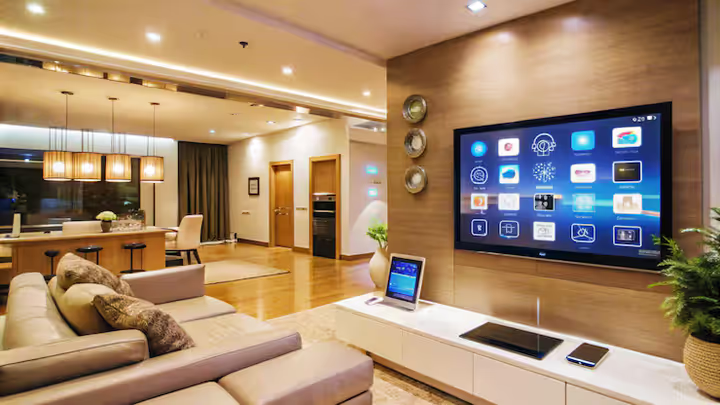
Smart Home Technology in Malaysia: A Guide to Connected Living
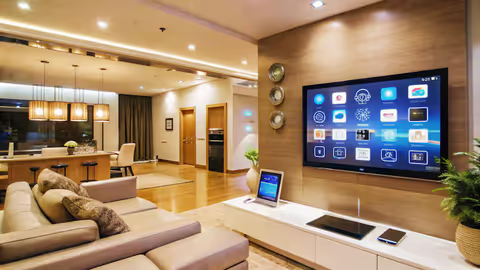
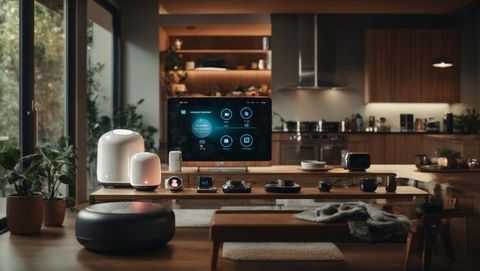
Smart home technology is changing how people manage everyday activities, monitor their homes, and control household appliances. In Malaysia, connected lighting, smart security cameras, automated air conditioning, and voice-controlled devices are becoming part of modern residential living. These technologies allow homeowners and tenants to manage selected household functions through mobile applications, sensors, schedules, or compatible voice assistants.
Interest in smart homes is connected to broader changes in digital lifestyles, internet access, energy awareness, and residential development. From apartments in Kuala Lumpur to landed homes in Johor Bahru and Penang, residents can choose solutions that suit their property layouts, household routines, and technology preferences.
However, a smart home does not need to include every available device. A simple setup with automated lighting and reliable security monitoring may be more practical than a complex system with features that are rarely used. Understanding how smart home technology works, which devices are available, and what factors affect compatibility can help Malaysian households make informed decisions.
What Is Smart Home Technology?
Smart home technology uses connected devices, sensors, software, and communication networks to monitor or control household functions. Depending on the system, residents can operate equipment remotely, automate repetitive tasks, and receive notifications about certain events.
For example, a smart light can be scheduled to switch on at a particular time, while a compatible air conditioner can be controlled through an application. A door sensor may notify residents when an entrance opens, and a smart plug can allow supported appliances to be switched remotely.
Most smart home systems rely on a home internet connection, a local wireless network, or a dedicated communication protocol. Some devices communicate directly with a router, while others require a hub or bridge to connect with the wider system.
Automation is a key feature. Instead of manually controlling every device, users can create rules based on time, sensor readings, occupancy, or other supported conditions. The available functions depend on the device, application, network, and integration options.
Common Types of Smart Home Devices in Malaysia
Smart Lighting Systems
Smart lighting allows residents to control compatible bulbs, switches, and lighting fixtures through applications, schedules, or automation routines. Some products also support adjustable brightness and colour temperature.
In Malaysian homes, smart lighting can be useful for bedrooms, living rooms, corridors, and outdoor areas. For instance, lights can be scheduled to switch off during typical sleeping hours or activated when a compatible motion sensor detects movement.
Before choosing a lighting system, users should check whether it requires a special bulb, a compatible wall switch, a neutral wire, or a hub. Electrical installation requirements can vary, particularly in older properties.
Smart Air Conditioning and Climate Control
Air conditioning is an important consideration in Malaysia's warm and humid climate. Smart controls can help residents manage cooling schedules, adjust compatible air conditioners remotely, and reduce unnecessary operation when rooms are unoccupied.
Some systems work through Wi-Fi-enabled air conditioners, while others use compatible infrared controllers. Advanced arrangements may combine temperature sensors and automation rules to adjust settings according to household routines.
Smart controls do not automatically guarantee lower electricity consumption. Actual results depend on temperature settings, room insulation, equipment efficiency, outdoor conditions, and how long the air conditioner operates. Regular cleaning and maintenance remain essential.
Smart Security Cameras and Door Sensors
Smart security devices can help residents monitor entrances, common areas, and selected outdoor spaces. Depending on the product, a security camera may provide live viewing, motion notifications, night vision, and recorded footage.
Door and window sensors can report opening or closing events, while compatible smart locks may support digital access methods. These features can be useful for households that travel frequently or need to coordinate access for family members.
Device placement requires careful consideration of privacy, visibility, and network coverage. Residents in condominiums should also check building rules before installing cameras in shared corridors or other common areas.
Smart Plugs and Connected Appliances
Smart plugs allow compatible electrical appliances to be switched on or off remotely or according to a schedule. They may be suitable for selected lamps, fans, and other devices that are safe to operate in this way.
However, not every appliance should be connected to a smart plug. High-power equipment, heating devices, motors, and appliances requiring continuous supervision may have specific electrical and operating requirements. Users should follow the product's rated load and the appliance manufacturer's instructions.
Connected washing machines, refrigerators, and other household appliances may also provide notifications, operating information, or remote controls, depending on the model.
Benefits of Smart Homes for Malaysian Households
One benefit of smart home technology is convenience. Residents can manage compatible devices from a central application instead of operating each device separately. Schedules and automated routines can also reduce repetitive tasks.
Security monitoring is another potential advantage. Notifications from sensors and cameras can help residents become aware of certain events while away from home. Nevertheless, these systems have limitations and should not be treated as a guarantee against theft or other incidents.
Energy management can improve visibility into household consumption. Smart plugs, energy monitors, and compatible appliances may help users understand when electricity is being used. This information can support better habits, such as switching off unused equipment or adjusting cooling schedules.
Smart home technology can also support accessibility. Voice controls and automated lighting may make selected tasks easier for people with mobility limitations or those who find conventional controls difficult to use.
The value of these benefits depends on the household's needs, device reliability, internet availability, and the way automation is configured.
Choosing Smart Home Technology for Malaysian Homes
Check Device Compatibility
Compatibility should be considered before purchasing smart home equipment. Some devices work only with a particular application, voice assistant, hub, or wireless protocol. Others support broader integration.
Standards such as Matter are designed to improve interoperability among compatible smart home products, but support depends on the specific device, controller, and features involved. Users should verify compatibility rather than assume every product will work with an existing setup.
Consider Malaysia's Electrical Requirements
Electrical compatibility is especially important when choosing smart switches, sockets, plugs, and fixed appliances. Check the device's voltage, frequency, plug type, power rating, and relevant safety certification.
Malaysia generally uses a 230-volt, 50-hertz electricity supply and Type G plug sockets. Imported products may have different electrical specifications or plug arrangements, so suitability should be verified before use.
Fixed electrical installations should be handled by a qualified person when required. Choosing compatible equipment and following local electrical requirements helps reduce avoidable hazards.
Evaluate Wi-Fi Coverage
A reliable home network is essential for many smart devices. Thick walls, multiple floors, metal structures, and long distances from the router can weaken wireless signals.
Residents should identify areas with poor connectivity before installing cameras, controllers, or sensors. Depending on the layout, a suitable mesh network or additional access point may improve coverage.
It is also worth checking what happens when the internet connection fails. Some devices continue operating through local controls or a hub, while others lose remote access or certain automation features.
Privacy and Cybersecurity in Smart Homes
Connected devices collect different types of information, including device status, motion events, voice commands, and video footage. The information collected depends on the product and its settings.
To protect household privacy, users should change default passwords, use strong and unique credentials, enable multifactor authentication where available, and install firmware updates. Router security should also be maintained, and guest devices should be separated from important household systems when practical.
Camera placement deserves particular attention. Avoid recording private spaces unnecessarily, and review who can access live feeds or stored recordings. Residents should understand how long footage is retained and whether the device uploads data to an external cloud service.
It is also useful to review application permissions and disable features that are not needed. A connected device should provide a clear practical benefit that justifies its maintenance and data requirements.
Challenges of Smart Home Adoption in Malaysia
Smart home systems can become complicated when devices use different applications, communication protocols, and automation platforms. A household may end up managing several separate systems rather than enjoying a unified experience.
Connectivity problems, software updates, changing subscription conditions, and discontinued manufacturer support can also affect long-term reliability. Before selecting a product, users should consider how it can be controlled if the manufacturer's cloud service becomes unavailable.
Malaysia's weather creates additional considerations for outdoor equipment. Heat, humidity, heavy rain, and exposure to dust can affect unsuitable devices. Outdoor cameras, sensors, and switches should have an appropriate environmental protection rating for their installation location.
The most practical approach is to start with a small number of useful devices, confirm that they work reliably, and expand the system gradually.
Conclusion
Smart home technology in Malaysia offers practical ways to manage lighting, air conditioning, security, appliances, and household routines. Connected devices can improve convenience, provide useful monitoring information, and help residents understand their energy consumption when configured appropriately.
Successful adoption depends on choosing compatible equipment, maintaining reliable network coverage, following electrical safety requirements, and protecting personal information. Malaysian households should also consider climate conditions, property rules, and the long-term support available for connected devices.
A smart home does not need to be complicated. Starting with a clear household need and expanding gradually can help residents build a reliable system that fits their lifestyle, property, and everyday priorities.