Smart Home Appliances in the Philippines: A Practical Guide to Modern Living
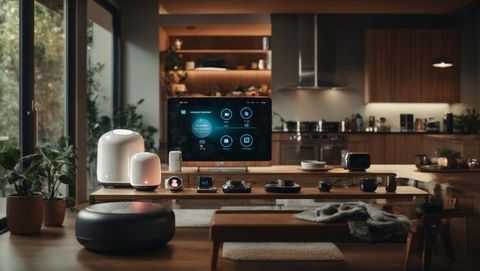
Smart home appliances are changing how households in the Philippines manage everyday activities. From remotely controlled air conditioners to smart refrigerators, automated lighting, and connected security cameras, these devices use digital technology to make household tasks easier to monitor and manage.
Interest in smart home technology is closely connected to the growing use of smartphones, home internet connections, and connected devices. Filipino households can use compatible appliances to control selected functions remotely, create automated routines, and monitor certain aspects of home energy consumption.
However, choosing smart home appliances involves more than looking at advanced features. The Philippine climate, electricity consumption, internet reliability, household size, available space, and compatibility between devices all influence how useful a connected appliance will be.
Understanding these factors helps homeowners, renters, and families identify practical technologies that fit their living arrangements. The goal is not to automate every household activity, but to choose devices that provide meaningful convenience, efficiency, and control.
What Are Smart Home Appliances?
Smart home appliances are household devices equipped with digital controls, sensors, connectivity, or automation features. Depending on the product, they may connect to a home Wi-Fi network, Bluetooth, or another supported communication system.
Many smart appliances can be managed through a mobile application, voice assistant, remote control, or automated schedule. Some also collect information about operating conditions and provide notifications when specific events occur.
For example, a smart air conditioner may allow users to adjust the temperature before arriving home. Smart lighting can follow a schedule, while a connected washing machine may notify users when a cycle finishes.
Not every smart appliance requires an internet connection for basic operation. Some functions may remain available through physical controls, while remote access and cloud-based features may depend on connectivity.
The actual capabilities vary by model, so consumers should distinguish between features included in the appliance and those requiring additional equipment, subscriptions, or compatible services.
Popular Types of Smart Home Appliances in the Philippines
Smart Air Conditioners and Cooling Systems
Air conditioning is an important consideration in the Philippines because of its generally warm, humid climate. Smart air conditioners can provide remote temperature control, scheduling, operating-status notifications, and selected energy-monitoring features.
Users may schedule cooling around their daily routines instead of leaving the appliance running unnecessarily. Some models also support temperature adjustments based on occupancy or other configured conditions.
When evaluating a smart air conditioner, consider its cooling capacity, room size, energy-efficiency rating, humidity-management features, and connectivity requirements. Inverter technology and appropriate sizing can also influence energy consumption, independently of smart connectivity.
A connected appliance does not automatically consume less electricity. Savings depend on how it is configured, how frequently it operates, the room's insulation, outdoor conditions, and household habits.
Smart Refrigerators
Smart refrigerators may include digital temperature controls, door alerts, diagnostic notifications, and inventory-related features. More advanced models can provide internal cameras, touchscreens, or integration with other household devices.
These functions may help households monitor appliance status and manage food storage more conveniently. A door-open notification, for instance, can alert users when a refrigerator has not been properly closed.
For most households, core refrigeration performance remains more important than advanced connectivity. Buyers should evaluate storage capacity, cooling consistency, energy efficiency, available space, and maintenance requirements before prioritizing smart features.
It is also useful to check whether the refrigerator can maintain its essential functions during an internet outage.
Smart Washing Machines
Smart washing machines can offer remote cycle monitoring, notifications, scheduling, and selected diagnostic functions. Some models allow users to choose or customize wash programs through a mobile application.
These features may be useful for busy households that need to coordinate laundry with work, school, or other responsibilities.
Before choosing a connected washing machine, consider its capacity, water consumption, wash programs, installation requirements, and suitability for the household's laundry volume.
In homes with limited space, dimensions and ventilation requirements are especially important. Users should also verify whether remote-start functions require manual preparation or confirmation at the machine for safety reasons.
Smart Lighting and Connected Switches
Smart bulbs, switches, and lighting systems allow users to control brightness, change supported color settings, and establish schedules. Some products can be linked to motion sensors or other connected devices.
For example, hallway lights can be configured to turn on when movement is detected, or outdoor lighting can follow a schedule after sunset.
Smart lighting can be particularly practical in homes where occupants regularly leave lights switched on unintentionally. However, the benefits depend on proper configuration and everyday use.
Consumers should check bulb fittings, electrical compatibility, Wi-Fi requirements, and whether a smart switch needs a neutral wire or professional installation.
Smart Security Cameras and Doorbells
Connected security cameras, video doorbells, and compatible sensors can help residents monitor entrances, receive movement alerts, and review recorded footage.
These devices may be useful for houses, apartments, and properties where occupants spend extended periods away from home. Depending on the model, features may include night vision, two-way audio, local recording, or cloud storage.
Installation should account for camera placement, lighting, weather exposure, network coverage, and privacy. Cameras should be positioned responsibly to avoid unnecessarily recording neighboring homes or private spaces.
Users should also review storage arrangements, account security, access permissions, and any recurring requirements associated with video recording.
Benefits of Smart Home Appliances for Filipino Households
One important benefit is convenience. Remote controls and automated schedules can reduce the need to operate appliances manually throughout the day.
Smart appliances may also improve visibility into household activity. Notifications can help users identify an open refrigerator door, a completed laundry cycle, or unusual activity near an entrance.
Energy management is another potential advantage. Where supported, usage reports and operating schedules can help households understand consumption patterns and identify opportunities to reduce unnecessary electricity use.
For families, automation can simplify recurring routines, such as turning off selected lights at bedtime or adjusting cooling schedules during working hours.
However, these benefits are not guaranteed. Smart features may add complexity, depend on reliable connectivity, or provide limited practical value if the household does not use them regularly. Evaluating the actual need for each feature is more useful than selecting an appliance solely because it offers the most connected functions.
Choosing Smart Appliances for Philippine Homes
Check Internet Connectivity and Compatibility
Many smart appliances depend on a reliable home network for remote access and notifications. Before purchasing a device, check its supported Wi-Fi frequency, network requirements, and compatibility with your smartphone or preferred home automation platform.
Some devices operate on 2.4 GHz Wi-Fi, while others support additional network options. Confirm the requirements rather than assuming every appliance works with every router.
If you plan to connect several devices, consider Wi-Fi coverage in bedrooms, kitchens, utility areas, and other locations where appliances will be installed.
Consider Electricity Consumption
Electricity use is an important household consideration. Compare energy-efficiency information, appliance capacity, and expected operating patterns before making a decision.
Smart scheduling can help manage usage, but it does not replace efficient appliance design. A well-sized, energy-efficient appliance operated appropriately may be more useful than a less efficient model with extensive connected features.
Where available, review energy-monitoring reports over time instead of relying on a single reading.
Account for Climate and Installation Conditions
Humidity, heat, heavy rainfall, and seasonal storms can affect appliance placement and maintenance needs. Outdoor devices should have suitable weather protection, while indoor appliances need appropriate ventilation and installation clearances.
For air conditioners, refrigerators, and other major appliances, follow the manufacturer's requirements for installation, electrical protection, drainage, and servicing.
Households in areas that experience power interruptions should also consider how devices behave when electricity returns. Check whether an appliance automatically resumes operation, retains its settings, or requires manual intervention.
Review Long-Term Practicality
Smart appliances can have longer useful lives than their companion mobile applications or online services. Before purchasing, consider whether essential functions remain available if an app changes, a cloud service is discontinued, or internet access becomes unavailable.
Look at warranty coverage, spare-parts availability, local repair support, software-update policies, and the manufacturer's approach to product security.
These practical details can affect the long-term usefulness of an appliance more than the number of features advertised at the time of purchase.
Smart Home Security and Privacy
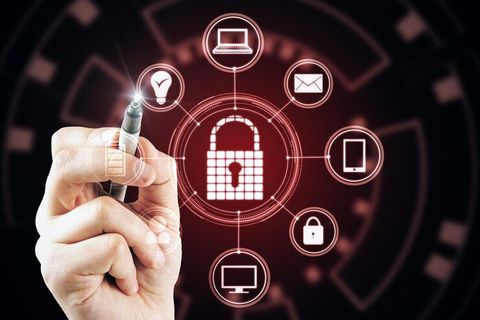
Connected appliances introduce digital security considerations because some devices collect information, communicate with online services, or allow remote access.
Use strong, unique passwords for appliance accounts and enable multifactor authentication when available. Keep device firmware and companion applications updated, and secure the home router with appropriate settings.
Review application permissions to understand what information a device collects and whether recordings or usage data are stored locally or in the cloud.
It is also sensible to create a separate network for smart devices when the router supports this arrangement. This can help limit exposure between connected appliances and personal computers, although it does not eliminate every security risk.
Before enabling remote access, consider whether the feature is necessary and who should be allowed to control the appliance.
The Future of Smart Home Technology in the Philippines
Smart home technology is continuing to develop through improvements in automation, connected sensors, energy monitoring, and interoperability between devices.
More appliances may support coordinated routines, allowing compatible lighting, cooling, and security systems to respond to shared settings. Better energy monitoring may also help households understand when and how electricity is being consumed.
Interoperability remains an important consideration. Devices from different manufacturers may use different applications, communication standards, and ecosystem requirements. Consumers should verify compatibility before building a connected home around multiple brands.
As these technologies evolve, practical value will depend on reliability, affordability, privacy, repairability, and ease of use. Homes do not need extensive automation to benefit from smart technology; a few carefully selected appliances may be sufficient.
Conclusion
Smart home appliances in the Philippines offer practical ways to manage cooling, lighting, laundry, refrigeration, security, and other everyday household activities. Their usefulness depends on selecting devices that match local conditions, household routines, connectivity requirements, and energy-management goals.
Before choosing an appliance, evaluate its essential performance, smart features, compatibility, installation needs, security protections, and long-term maintenance requirements. Consider how it will operate during internet or power interruptions, and whether its connected functions provide meaningful benefits.
A thoughtful approach to smart home technology can help Filipino households build a more convenient and manageable living environment without adding unnecessary complexity. The most suitable smart appliance is one that solves a real household need and remains reliable in everyday use.