Sleep Tourism: Guide to Sleep-Focused Travel and Practical Insights
Sleep tourism is a travel trend centered on improving sleep quality, creating restful environments, and making recovery an important part of a trip.
Instead of planning a journey mainly around sightseeing, entertainment, or physical activities, travelers may select destinations and accommodation based on quiet surroundings, comfortable bedrooms, sleep-focused programs, and relaxation facilities.
The concept has gained attention as travelers increasingly consider rest an important part of overall travel planning. Sleep tourism can range from a peaceful countryside retreat with natural surroundings to accommodation featuring specialized bedding, blackout curtains, controlled lighting, quiet-room design, relaxation programs, and technology that monitors sleeping patterns.
Why Sleep Has Become a Travel Priority
Travel can disrupt normal sleeping patterns because of long flights, changing time zones, unfamiliar rooms, irregular schedules, and evening activities. These factors can make rest an important consideration when selecting accommodation and planning an itinerary.
Sleep-focused travel responds to this demand by placing nighttime comfort and daytime recovery closer to the center of the travel experience. The approach can appeal to business travelers, frequent flyers, wellness-oriented travelers, couples, and people seeking a quieter vacation.
Importance
Rest-Centered Travel Experiences
Traditional travel itineraries often prioritize the number of attractions visited during a trip. Sleep tourism takes a different approach by allowing travelers to allocate more time to rest and recovery.
A sleep-focused itinerary may include:
Quiet accommodation away from busy entertainment districts
Comfortable mattresses and pillows
Blackout curtains or low-light bedroom design
Reduced nighttime noise
Relaxation areas
Gentle evening activities
Morning daylight exposure
Flexible schedules
Nature-based surroundings
Sleep-oriented wellness programs
The objective is not simply to spend more time in bed. It is to create travel conditions that support a consistent and comfortable rest routine.
Hotels and Sleep-Focused Accommodation
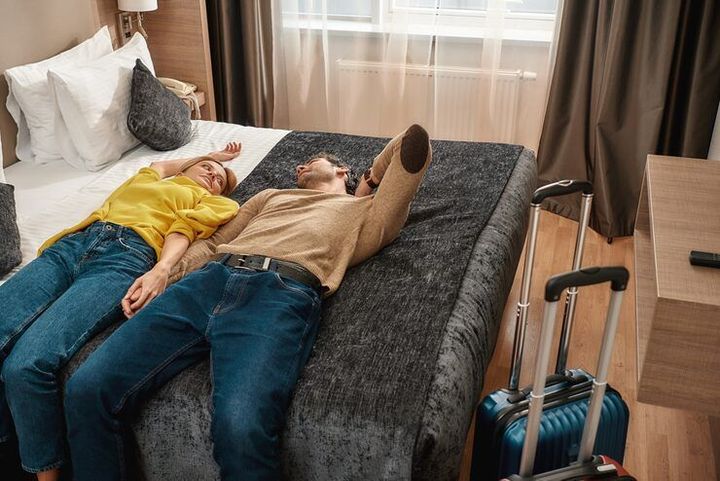
Accommodation providers can incorporate sleep-related features into room design and guest experiences. These features may include temperature controls, sound-reducing construction, adjustable lighting, blackout systems, high-quality bedding, and quiet-floor arrangements.
Some properties also provide sleep-focused packages that combine accommodation with relaxation activities. Depending on the destination, these may include meditation sessions, breathing exercises, spa treatments, gentle movement classes, or guided relaxation.
Sleep Tourism and Wellness Travel
Sleep tourism overlaps with the broader wellness travel sector but has a narrower focus. Wellness travel can include fitness, nutrition, mindfulness, spa experiences, and outdoor activities, while sleep tourism places nighttime rest and recovery at the center.
This distinction allows travelers to choose an experience according to their primary travel objective. A person looking for a quiet retreat may prioritize accommodation design and surroundings, while another traveler may prefer a structured program involving relaxation activities.
Recent Updates
Technology in Sleep-Focused Accommodation
Technology is becoming increasingly common in hospitality environments designed around personal comfort. Smart lighting systems can adjust brightness and color temperature, while room controls can regulate temperature and other environmental settings.
Some accommodation providers also use sleep-monitoring technology or connected devices. These systems can collect information about sleeping patterns, room conditions, or environmental factors.
Travelers should understand how personal data is collected and stored before using connected sleep technology. Privacy policies, device permissions, and data-sharing arrangements can vary between properties and technology providers.
Sleep-Friendly Room Design
Modern hospitality design increasingly considers factors that can influence nighttime comfort. Designers may pay attention to sound insulation, window coverings, mattress selection, room temperature, lighting, and bedroom layout.
Natural materials, neutral interiors, and reduced visual clutter may also be used to create calmer environments. The exact design approach varies according to the property, climate, architecture, and target travelers.
Jet Lag and Long-Distance Travel
Sleep tourism also connects with the challenges of international travel. Crossing several time zones can temporarily disrupt the body's internal timing system.
Travelers may prepare by gradually adjusting their sleep schedule, managing exposure to daylight, staying hydrated, and planning rest around the destination's local time. Individual responses differ, so travelers with persistent sleep difficulties should seek guidance from an appropriate healthcare professional.
Nature-Based Sleep Retreats
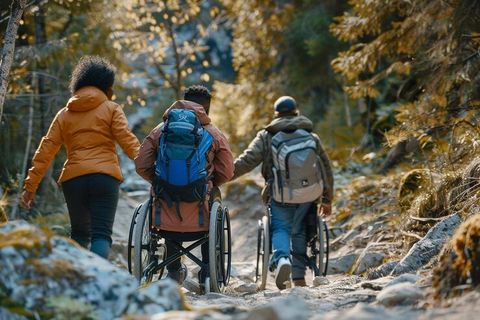
Nature has become an important component of many rest-focused travel experiences. Forest environments, coastal locations, mountain areas, rural landscapes, and low-density destinations can provide an alternative to crowded urban surroundings.
These destinations may combine quiet accommodation with walking, outdoor relaxation, low-intensity activities, and reduced nighttime light exposure. The experience is generally designed around slowing down rather than filling every part of the itinerary.
Laws or Policies
Hospitality Standards and Guest Safety
Sleep-focused accommodation remains subject to the same general hospitality, building, fire, accessibility, privacy, and consumer protection requirements that apply to other lodging facilities in a particular jurisdiction.
Specific requirements differ between countries and regions. Travelers should check local accommodation rules, particularly when a property advertises specialized wellness or health-related programs.
Health-Related Claims
Properties and travel businesses should distinguish between general wellness information and medical claims. Statements suggesting that a particular room, device, treatment, or program can diagnose or treat a medical condition may be subject to additional regulatory requirements depending on the jurisdiction.
Travelers should also distinguish between relaxation-oriented experiences and clinical sleep care. Sleep tourism can support a restful travel environment, but it should not automatically be considered a substitute for medical evaluation or treatment.
Data Privacy
Connected mattresses, wearable devices, smart rooms, and sleep-monitoring platforms may process personal information. Privacy regulations vary internationally, with requirements depending on the location, organization, technology, and type of information collected.
Before using a sleep-monitoring feature, travelers can review:
What information is collected
Where information is stored
How long information is retained
Whether information is shared with third parties
Whether participation is optional
How users can request deletion or access
Tools and Resources
Sleep-Friendly Travel Planning
Travelers can evaluate accommodation using several practical factors before making a reservation. A quiet location may be more useful for rest than a property located directly beside nightlife venues or major transportation routes.
Important considerations include:
Noise levels and room location
Blackout curtains or blinds
Mattress and pillow options
Room temperature controls
Lighting controls
Check-in and check-out schedules
Nearby nightlife or traffic
Access to outdoor areas
Airport or railway proximity
Availability of relaxation facilities
Sleep Tracking Devices
Wearable devices and mobile applications can record information such as sleep duration, movement, heart rate, or nighttime patterns. These tools can help travelers observe changes in their routine, although consumer sleep measurements are not necessarily equivalent to clinical sleep assessments.
Data from these devices should therefore be treated as personal tracking information rather than a medical diagnosis.
Travel Planning Around Sleep
A sleep-focused trip can be planned by building a realistic schedule instead of filling every day with activities. Travelers may reserve time for afternoon recovery, maintain consistent evening routines, and avoid unnecessary late-night transportation when possible.
A simple planning framework can look like this:
| Travel Factor | Sleep-Focused Consideration |
|---|---|
| Destination | Quiet surroundings and manageable activity levels |
| Accommodation | Comfortable bedding and reduced nighttime noise |
| Lighting | Effective control of bedroom brightness |
| Temperature | Adjustable room climate |
| Schedule | Flexible activities with sufficient rest periods |
| Transportation | Minimize unnecessary overnight disruption |
| Technology | Review privacy settings before use |
| Activities | Include relaxing and low-intensity options |
FAQs
What Is Sleep Tourism?
Sleep tourism is a form of travel that places sleep, relaxation, and nighttime comfort at the center of the travel experience. It can involve specialized accommodation, quiet destinations, wellness activities, and sleep-friendly itinerary planning.
Why Is Sleep Tourism Becoming Popular?
Greater awareness of rest, travel fatigue, busy lifestyles, and sleep disruption during long-distance journeys has contributed to interest in sleep-focused travel. Travelers may increasingly consider sleep conditions when comparing destinations and accommodation.
What Does a Sleep Tourism Hotel Provide?
A sleep-focused hotel may provide features such as quiet rooms, blackout curtains, comfortable bedding, adjustable lighting, temperature controls, relaxation areas, and wellness activities. The exact features vary by property.
Can Sleep Tourism Help With Jet Lag?
A carefully planned trip may make it easier to maintain a consistent routine after crossing time zones. Daylight exposure, appropriate scheduling, hydration, and planned rest can all be part of jet-lag management, although individual responses vary.
Is Sleep Tourism a Medical Treatment?
Sleep tourism is generally a travel and wellness concept rather than medical treatment. Travelers experiencing persistent or significant sleep problems should consult a qualified healthcare professional for appropriate assessment.
Conclusion
Sleep tourism places rest and recovery at the center of the travel experience. It can include quiet destinations, thoughtfully designed accommodation, comfortable bedding, controlled lighting, relaxation activities, and flexible itineraries.
Technology is also influencing this area through smart-room controls, wearable devices, and sleep-monitoring systems. At the same time, privacy, data handling, and the distinction between wellness experiences and medical care remain important considerations.
As travelers continue to look for more balanced journeys, sleep-focused travel provides another way to design vacations around personal recovery and nighttime comfort. The approach can be adapted to different destinations, budgets, travel styles, and individual preferences.