Folklore & Traditional Travel: Overview of Folk Customs, Legends, and Traditional Culture
Folklore and traditional travel focuses on experiencing the stories, customs, festivals, music, food traditions, crafts, architecture, rituals, and everyday practices that have developed within communities over generations
It connects tourism with cultural heritage, traditional knowledge, intangible cultural heritage, and local history.
Folklore can include oral stories, legends, songs, dances, traditional celebrations, craftsmanship, religious or seasonal practices, and forms of community knowledge. Traditional travel provides an opportunity to learn about these elements in their social and historical context rather than viewing them only as attractions.
This type of travel exists because cultural traditions help explain how communities understand their environment, history, identity, and relationships. UNESCO describes intangible cultural heritage as living expressions of identity that can evolve as societies change.
Examples of folklore and traditional travel experiences include:
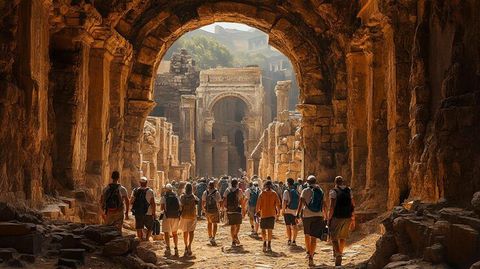
- Visiting historic villages and cultural landscapes
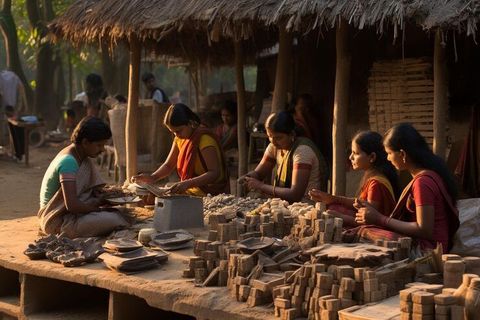
- Learning about traditional crafts and techniques
- Attending cultural festivals and folk performances
- Exploring local food traditions
- Listening to regional folklore and oral histories
- Visiting museums and heritage interpretation centers
- Learning about traditional architecture
- Participating respectfully in community-led cultural activities
Traditional travel is therefore broader than visiting monuments. It can involve understanding the people, knowledge, and practices that give a place its cultural character.
Why Folklore Travel Matters Today
Cultural tourism can help travelers develop a deeper understanding of different societies. It can also encourage attention to heritage preservation, especially when traditions are passed between generations.
The subject matters to several groups, including travelers, local communities, educators, researchers, cultural organizations, museums, and government tourism authorities.
One important issue is cultural preservation. Modernization, migration, environmental changes, and changing lifestyles can affect traditional practices. Responsible tourism can support awareness while avoiding unnecessary interference with cultural life.
UNESCO's guidance emphasizes that tourism involving intangible cultural heritage should respect the rights, wishes, meanings, and social functions of the communities connected to that heritage.
Another important consideration is interpretation. A festival, ritual, craft, or story may have meanings that are not immediately apparent to visitors. Accurate explanations can reduce stereotypes and help travelers understand cultural practices in context.
| Cultural element | What travelers may learn |
|---|---|
| Folklore and legends | Local history, beliefs, and storytelling |
| Traditional crafts | Materials, techniques, and cultural knowledge |
| Folk music and dance | Community expression and historical influences |
| Traditional food | Local ingredients, preparation, and customs |
| Festivals | Seasonal, historical, or religious traditions |
| Historic villages | Architecture, settlement patterns, and lifestyles |
Recent Developments in Cultural and Traditional Travel
Interest in community-based and sustainable tourism has continued to influence international tourism discussions during 2025 and 2026.
In February 2025, UN Tourism opened applications for its Best Tourism Villages 2025 initiative. The program highlights rural destinations where tourism can contribute to cultural and natural heritage preservation, community development, and sustainable practices.
UNESCO also continued emphasizing the connection between living heritage and sustainable development. In 2025, UNESCO published guidance concerning the safeguarding of intangible cultural heritage in urban contexts, highlighting the importance of community-centered approaches when cultural traditions interact with development and urban planning.
In India, UNESCO and the Ministry of Tourism held a Strategic Conclave on World Heritage and Sustainable Tourism in New Delhi on August 21, 2025. The event brought together government departments and other stakeholders to discuss inclusive and sustainable approaches to heritage tourism.
These developments show a broader movement toward tourism models that consider cultural authenticity, community participation, environmental sustainability, and heritage protection together.
Laws, Policies and Cultural Heritage Protection in India
Folklore and traditional travel in India is influenced by policies covering tourism, cultural heritage, protected monuments, environmental protection, and community participation. Because these rules can differ according to the destination and type of heritage, travelers should check the requirements of the relevant national or state authority.
At the international level, UNESCO's 2003 Convention for the Safeguarding of the Intangible Cultural Heritage provides an important framework for protecting living traditions. Its principles encourage countries to integrate heritage safeguarding into development policies while respecting communities and human rights.
India's tourism framework also includes programs connected with heritage and sustainable tourism. The Ministry of Tourism lists Swadesh Darshan 2.0 guidelines and other destination-development frameworks. Updated guidelines were published in August 2025, including provisions connected with destination development and tribal-area homestays.
The Government of India has also developed guidelines for tribal homestay development under the Swadesh Darshan framework. The approach is intended to encourage responsible tourism and sustainable practices while involving tribal communities.
For travelers, practical considerations can include:
- Following rules at protected heritage sites
- Respecting photography and recording restrictions
- Observing local dress and behavior expectations
- Avoiding unauthorized access to sacred or restricted locations
- Following environmental regulations in protected areas
- Respecting community requests concerning ceremonies and traditions
Policies are not only about restricting activities. They can also provide frameworks for documenting, interpreting, safeguarding, and responsibly sharing cultural heritage.
Useful Tools and Resources for Traditional Travel
Several online resources can help travelers research cultural heritage before visiting a destination.
UNESCO Intangible Cultural Heritage: UNESCO's online database provides information about traditions and cultural practices recognized under the 2003 Convention. It can help users understand the background of living heritage across different countries.
UNESCO Sustainable Development Toolbox: The toolbox explains connections between intangible cultural heritage and sustainable development and includes examples and learning materials.
UNESCO World Heritage resources: These can help travelers research historical places, cultural landscapes, and heritage sites before visiting.
National tourism portals: Government tourism websites can provide destination information, official guidelines, cultural calendars, and information about protected places.
Digital maps: Mapping applications can help identify museums, heritage areas, cultural centers, historic neighborhoods, and local landmarks.
Language and translation tools: Basic translation resources can help travelers understand local terminology and communicate respectfully.
Cultural etiquette guides: Destination-specific guides can explain appropriate clothing, photography practices, greetings, and behavior around religious or community activities.
A useful research checklist is:
- Identify the cultural tradition or heritage site.
- Read information from an authoritative source.
- Learn basic local etiquette.
- Check whether photography is permitted.
- Confirm access rules before visiting.
- Research the historical context.
- Consider the environmental and cultural sensitivity of the location.
Frequently Asked Questions About Folklore & Traditional Travel
What is folklore tourism?
Folklore tourism involves travel experiences connected with traditional stories, music, dance, festivals, crafts, customs, beliefs, food traditions, and other forms of community heritage. Its purpose is generally to help visitors understand cultural traditions and their historical context.
What is the difference between cultural tourism and folklore tourism?
Cultural tourism is a broad category that can include museums, architecture, history, art, food, festivals, and heritage sites. Folklore tourism focuses more specifically on traditional stories, customs, oral traditions, folk arts, rituals, music, dance, and community practices.
How can travelers respect local traditions?
Travelers should research local customs, follow site rules, ask permission before photographing people or ceremonies, avoid disrupting rituals, and listen to community explanations. Respectful behavior is particularly important when visiting sacred or culturally sensitive locations.
Why is intangible cultural heritage important?
Intangible cultural heritage includes living knowledge and practices that communities recognize as part of their cultural identity. Protecting it can help maintain cultural diversity and support the transmission of knowledge between generations. UNESCO emphasizes community participation in safeguarding such heritage.
Can traditional travel support sustainable tourism?
Yes, when it is carefully planned. Community participation, responsible visitor behavior, heritage protection, environmental management, and accurate cultural interpretation can help connect tourism with sustainable development. However, tourism should not weaken the cultural meaning or social function of traditions.
Conclusion
Folklore and traditional travel provides a way to explore destinations through their living culture rather than focusing only on famous landmarks. Stories, festivals, crafts, food traditions, music, architecture, and community knowledge can reveal how societies have developed over time.
The growing emphasis on cultural heritage tourism, sustainable tourism, rural destinations, and community participation is changing how traditional travel is approached. Recent international and Indian initiatives increasingly connect tourism development with heritage safeguarding and responsible destination management.