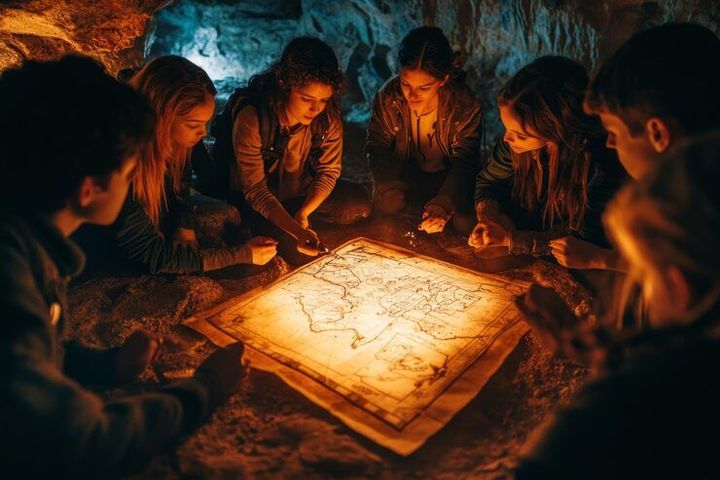
Pilgrimage Routes Exploration: Guide to Sacred Travel
Pilgrimage routes connect people with religious traditions, historic places, cultural landscapes, and communities.
Across India, these journeys range from short visits to temples and shrines to long-distance routes involving walking, road travel, rail journeys, or multiple destinations.
Pilgrimage travel is not only a religious activity. It can also involve heritage tourism, cultural exploration, local traditions, architecture, history, and interaction with communities. Popular examples include the Char Dham route, Buddhist pilgrimage circuits, Jyotirlinga journeys, Sikh pilgrimage routes, and routes associated with major festivals such as Kumbh Mela.
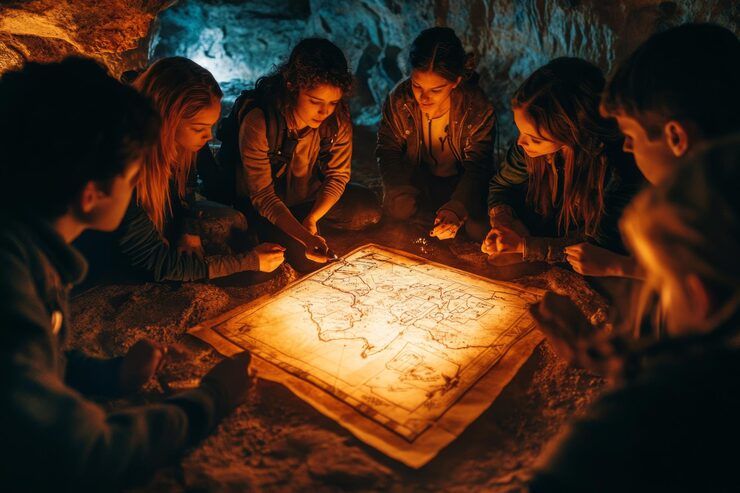
Understanding Pilgrimage Routes
A pilgrimage route is a planned or traditionally established journey connecting one or more places considered spiritually or culturally significant. Some routes have existed for centuries, while others have developed around modern transportation networks and tourism infrastructure.
A route may include:
- Religious monuments and places of worship
- Sacred rivers, mountains, lakes, or forests
- Historic towns and cultural sites
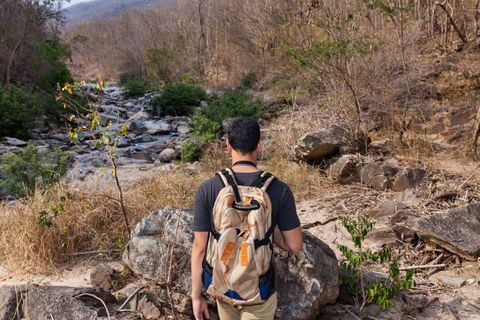
- Walking paths and trekking sections
- Transport connections between destinations
- Rest areas, medical facilities, and public amenities
The purpose of pilgrimage differs between individuals. Some travelers undertake a journey as an expression of faith, while others are interested in history, architecture, cultural heritage, or traditional practices.
Why Pilgrimage Routes Matter Today
Pilgrimage routes remain important because they connect spiritual traditions with wider cultural and economic activity. Large pilgrimage destinations can receive substantial numbers of visitors during particular seasons, festivals, and religious observances.
For travelers, understanding a route before departure can help with distance planning, transportation, weather preparation, accommodation arrangements, accessibility considerations, and crowd management.
Pilgrimage tourism also affects local communities. Visitors can create demand for transportation, accommodation, food, handicrafts, cultural activities, and other forms of local economic participation.
At the same time, high visitor volumes can create challenges. Crowding, traffic, waste management, environmental pressure, and public safety require careful planning.
The Indian government's PRASHAD programme specifically considers factors such as destination carrying capacity and crowd flow when developing pilgrimage infrastructure.
Common Pilgrimage Route Categories
| Route category | Typical focus | Examples |
|---|---|---|
| Hindu pilgrimage | Temples, rivers, sacred landscapes | Char Dham, Jyotirlingas |
| Buddhist pilgrimage | Historic Buddhist sites | Bodh Gaya, Sarnath |
| Sikh pilgrimage | Gurudwaras and historic sites | Amritsar, Anandpur Sahib |
| Jain pilgrimage | Temples and sacred hills | Palitana, Shikharji |
| Multi-faith heritage | Religious and cultural landmarks | Historic pilgrimage towns |
Planning a Pilgrimage Journey
Good pilgrimage travel planning begins with identifying the route, season, transportation options, and physical requirements.
Travelers should check official information before departure because route conditions, entry arrangements, opening schedules, weather conditions, and crowd-management measures can change.
Useful planning considerations include:
- Identify the principal pilgrimage destinations.
- Check the total travel distance and estimated journey time.
- Review seasonal weather conditions.
- Confirm transportation connections.
- Check whether registration is required.
- Keep identification documents where required.
- Consider mobility requirements for older travelers.
- Keep medicines and essential personal items accessible.
- Follow local instructions at crowded religious sites.
A simple itinerary can divide a long pilgrimage into manageable stages rather than attempting to visit every destination in a compressed schedule.
Recent Developments in Pilgrimage Tourism
Pilgrimage infrastructure and destination management have received significant attention in India during 2025 and 2026.
One major event was Maha Kumbh 2025 in Prayagraj, Uttar Pradesh, held from January 13 to February 26, 2025. The Ministry of Tourism introduced information initiatives for visitors, while authorities prepared transport, accommodation, infrastructure, and crowd-management arrangements for the exceptionally large gathering.
By February 3, 2025, government information reported more than 35 crore cumulative participants in the pilgrimage gathering.
The event also demonstrated how technology and infrastructure are increasingly incorporated into large pilgrimage destinations. Government material described measures involving crowd movement, digital systems, infrastructure improvements, and arrangements for senior citizens and people with disabilities.
Another important development occurred in February 2026. The Ministry of Tourism reported that seven projects had been sanctioned under the PRASHAD scheme during 2025. The programme incorporates carrying-capacity and crowd-flow considerations into destination planning.
These developments indicate a broader movement toward organized pilgrimage tourism, improved accessibility, sanitation, safety infrastructure, and responsible destination management.
Government Policies and Pilgrimage Infrastructure
In India, pilgrimage routes are affected by national tourism programmes as well as state-level rules and local administrative arrangements.
The PRASHAD scheme, administered by the Ministry of Tourism, focuses on integrated development of selected pilgrimage and heritage destinations. Infrastructure can include pedestrian pathways, lighting, surveillance systems, drinking-water facilities, toilets, waste-management systems, fire-safety infrastructure, and signage.
The government reported in December 2025 that PRASHAD had sanctioned 54 projects across 28 States and Union Territories, with an estimated sanctioned amount of ₹1,726.74 crore.
Swadesh Darshan 2.0 is another tourism-development framework emphasizing sustainable and responsible destination development. Government information published in December 2025 reported projects involving religious and spiritual destinations under different tourism themes.
Pilgrims should also understand that individual destinations may have separate rules. Depending on the location, these can include:
- Mandatory registration
- Restricted entry periods
- Route-specific permits
- Identification requirements
- Weather-related closures
- Crowd-control arrangements
- Vehicle restrictions
- Environmental rules
- Temple or shrine-specific visiting procedures
For this reason, travelers should rely on official government, tourism, temple, or pilgrimage authority information for current requirements.
Useful Tools and Resources
Digital resources can make pilgrimage route planning easier. Travelers can combine mapping tools with official tourism information and destination-specific announcements.
Helpful resources include:
- Google Maps: Useful for understanding road routes, walking distances, and approximate travel times.
- India tourism information: Government tourism resources provide information about destinations, tourism programmes, and infrastructure initiatives.
- State tourism websites: Useful for destination-specific travel information and local regulations.
- Official pilgrimage registration portals: Some major pilgrimage destinations use online registration or permit systems.
- Weather applications: Helpful for checking conditions before traveling through mountainous or outdoor routes.
- Digital payment applications: Useful where electronic payments are accepted.
- Offline maps: Helpful when mobile connectivity is limited.
- Emergency contact information: Travelers should keep local emergency numbers and destination-specific helplines available.
For major events such as Maha Kumbh 2025, government agencies also used dedicated information channels and multilingual visitor information to assist travelers.
Practical Route Planning Checklist
Before starting a pilgrimage, travelers can review the following checklist:
- Confirm the destination and route.
- Check official travel and registration requirements.
- Review weather forecasts.
- Plan transportation between major points.
- Allow additional time for crowds.
- Carry identification and essential documents.
- Prepare appropriate clothing and footwear.
- Consider accessibility requirements.
- Keep drinking water available where appropriate.
- Respect religious customs and local communities.
- Follow instructions from local authorities.
- Avoid restricted areas and unsafe shortcuts.
Planning is particularly important for mountain pilgrimage routes, where weather and road conditions can change quickly.
Frequently Asked Questions
What is a pilgrimage route?
A pilgrimage route is a traditional or organized journey connecting religiously or culturally significant destinations. It may involve walking, road travel, rail transportation, or a combination of different travel methods.
Which pilgrimage routes are important in India?
India has numerous pilgrimage traditions, including the Char Dham, Jyotirlinga routes, Buddhist circuits, Sikh pilgrimage destinations, Jain pilgrimage sites, and routes associated with major religious festivals.
Why is pilgrimage route planning important?
Planning helps travelers understand distances, transportation, weather, registration requirements, physical demands, and possible crowd conditions. It can make a long journey more organized and safer.
Are pilgrimage destinations governed by special rules?
Many destinations have local rules covering entry, registration, visiting hours, photography, environmental protection, traffic, or crowd management. Requirements vary by destination and can change according to season or special events.
How is technology changing pilgrimage travel?
Technology is increasingly used for mapping, digital registration, visitor information, crowd management, communication, and emergency coordination. Large events such as Maha Kumbh 2025 demonstrated how digital and physical infrastructure can work together to manage very large visitor numbers.
Conclusion
Pilgrimage routes are an important part of India's religious, cultural, and historical landscape. They connect sacred places while also supporting heritage exploration and interaction with local communities.
Modern pilgrimage planning increasingly combines traditional practices with transportation networks, digital information, infrastructure development, accessibility measures, and crowd-management systems.
For travelers, the most useful approach is to research the route carefully, check current official information, understand local rules, prepare for seasonal conditions, and respect the religious and cultural character of each destination. As pilgrimage tourism continues to evolve, responsible planning can help preserve important destinations while making journeys more organized and accessible.