Royal Heritage Trail Journeys: Guide to India’s Cultural Heritage
Royal Heritage Trail Journeys describe travel routes that connect historic palaces, forts, royal residences, old cities, museums, temples, cultural landscapes, and other places associated with India’s historical kingdoms and regional traditions.
India has a particularly diverse royal heritage. Regions such as Rajasthan, Gujarat, Madhya Pradesh, Maharashtra, Karnataka, Telangana, Tamil Nadu, and parts of northern India contain monuments and historic settlements associated with different dynasties, kingdoms, trading communities, and cultural traditions.
A heritage trail can be designed around one city or extended across several destinations. For example, a journey through Rajasthan may connect Jaipur, Jodhpur, Udaipur, Chittorgarh, and Jaisalmer. A western India route can combine historic architecture in Gujarat with cultural destinations such as Vadnagar and Dwarka.
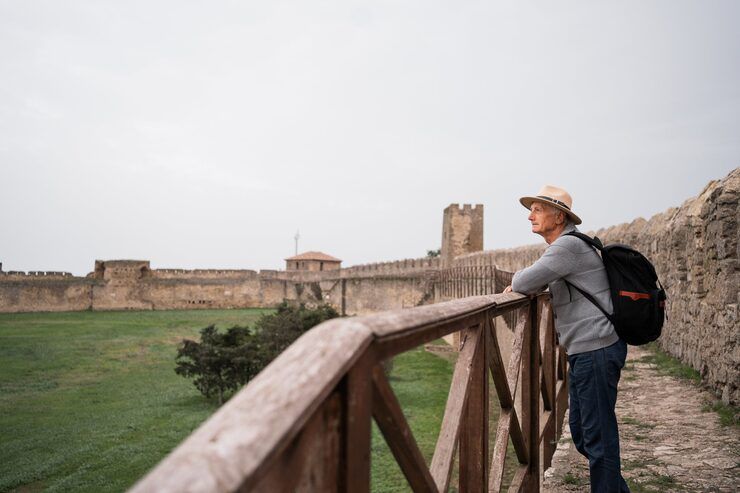
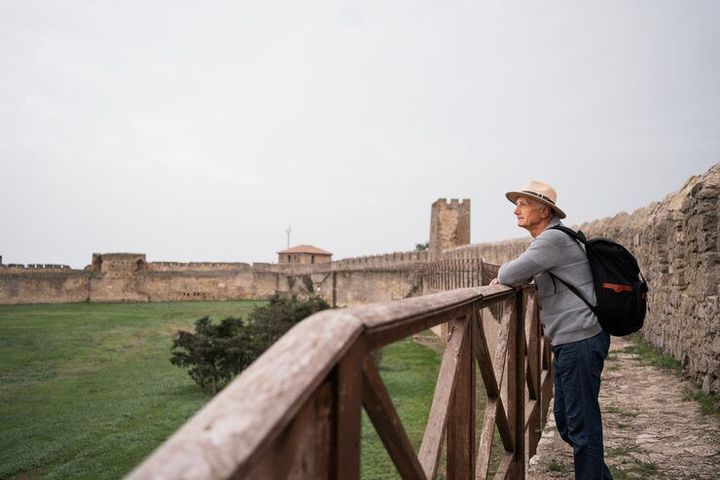
The idea of a heritage trail exists because individual monuments often make more sense when viewed within their wider historical landscape. Architecture, food traditions, handicrafts, music, local festivals, museums, and historic neighborhoods can collectively explain how a region developed.
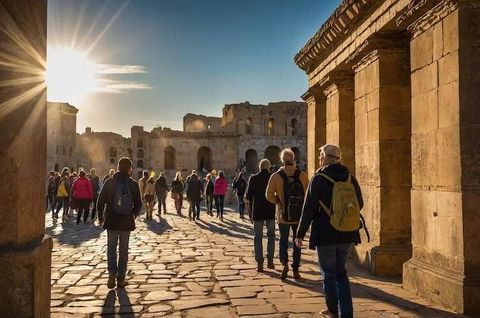
Heritage travel therefore combines historical tourism with cultural exploration. It can involve walking through old city areas, visiting museums, studying architecture, exploring archaeological sites, or learning about traditional arts and communities.
Why Royal Heritage Travel Matters Today
Royal heritage destinations are important because they preserve physical evidence of India's political, architectural, artistic, and social history. Forts and palaces can demonstrate construction techniques, defensive planning, water management, decorative arts, and changing patterns of royal life.
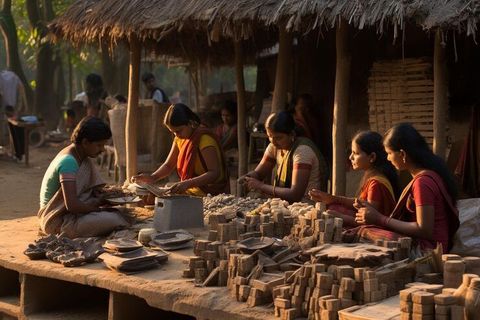
Heritage tourism also connects visitors with communities located around historic destinations. Local crafts, cuisine, performing arts, traditional markets, and cultural practices can become part of the wider travel experience.
For students and researchers, heritage trails can provide practical opportunities to understand history beyond textbooks. For families and general travelers, they can create educational journeys combining geography, architecture, history, and culture.
Heritage routes can also help distribute visitor activity across multiple destinations instead of concentrating attention on a single famous monument. Government tourism programs increasingly use destination-based planning to improve infrastructure and encourage responsible tourism development. Swadesh Darshan 2.0, for example, focuses on sustainable and responsible tourism destinations.
| Heritage element | What travelers can learn |
|---|---|
| Forts | Military architecture and regional history |
| Palaces | Royal lifestyles, architecture, and art |
| Old cities | Trade, urban development, and communities |
| Museums | Archaeology, objects, manuscripts, and art |
| Historic landscapes | Geography, water systems, agriculture, and settlement |
| Local traditions | Food, crafts, music, festivals, and cultural practices |
A well-planned heritage journey can also reduce common travel problems such as rushed sightseeing, poor route planning, limited historical context, and excessive concentration at a small number of attractions.
Recent Developments in Heritage Tourism
Heritage tourism in India has continued to receive attention through national destination-development programs.
On 1 February 2026, the Ministry of Tourism highlighted tourism, culture, heritage, Buddhist circuits, ecological trails, and sustainable tourism as important areas in the Union Budget 2026–27. The announcement reflects a broader policy direction toward combining tourism development with cultural and heritage preservation.
Another relevant development occurred in August 2025, when the Ministry of Tourism published updated destination-development guidelines, including guidelines associated with Swadesh Darshan 2.0 and the PRASHAD scheme.
Swadesh Darshan 2.0 has identified destinations across India for development. Earlier government information identified 57 destinations across 32 States and Union Territories, including Dholavira and Dwarka in Gujarat, Bundi and Jodhpur in Rajasthan, and Ajanta-Ellora in Maharashtra.
The current direction places greater emphasis on destination planning rather than viewing tourism only as visits to individual monuments. This approach can include visitor infrastructure, interpretation, accessibility, sustainability, local participation, and cultural experiences.
Technology is also changing how people plan heritage travel. Digital maps, online monument information, mobile navigation, digital photographs, travel-planning applications, and official tourism websites make it easier to research several destinations before beginning a journey.
Laws, Heritage Protection, and Government Policies
Royal heritage journeys are affected by several laws because many forts, monuments, archaeological sites, and antiquities require legal protection.
The Ancient Monuments and Archaeological Sites and Remains Act, 1958 provides for the preservation of ancient and historical monuments and archaeological sites and regulates archaeological excavations and the protection of sculptures, carvings, and similar objects.
The law also establishes restrictions around protected monuments. Under the relevant provisions, prohibited areas generally extend 100 metres from a protected monument or protected area, while additional regulated areas can apply according to government notifications and applicable rules. Construction and certain other activities can require permission.
Visitors should therefore follow instructions displayed at protected monuments. Photography, access to restricted areas, touching architectural surfaces, littering, climbing structures, or interfering with archaeological remains can create preservation problems.
The Antiquities and Art Treasures Act, 1972 also regulates antiquities and art treasures, including aspects related to their export and protection against illegal dealings.
State governments may have additional heritage legislation. For example, some states maintain their own laws covering protected monuments and archaeological sites. Consequently, travelers should check the rules applicable to the particular destination rather than assuming that every heritage site follows identical regulations.
Government programs such as Swadesh Darshan 2.0 also influence heritage destinations by encouraging sustainable and responsible tourism development.
Useful Tools and Resources for Planning a Heritage Journey
Several resources can make heritage travel more organized and informative.
- Ministry of Tourism: Useful for national tourism schemes, destination-development information, and tourism policy documents.
- Archaeological Survey of India: Helpful for information about centrally protected monuments, archaeological heritage, and visitor regulations.
- India Code: Provides access to legislation such as the Ancient Monuments and Archaeological Sites and Remains Act, 1958.
- Official state tourism websites: Useful for regional destinations, cultural events, road information, and destination guidance.
- Digital maps: Helpful for building routes between forts, palaces, museums, archaeological sites, and historic neighborhoods.
- Weather applications: Useful for selecting appropriate travel periods and preparing for regional climate conditions.
- Translation applications: Helpful when communicating in regions where travelers do not speak the local language.
- Digital note-taking templates: Useful for recording monument names, historical periods, opening information, travel times, and research observations.
Before visiting a monument, travelers should verify opening information and access rules through the relevant official source because conditions can change.
Planning a Royal Heritage Trail
A practical heritage trail normally begins by selecting a historical theme. A traveler could focus on Rajput architecture, Mughal heritage, Maratha history, palace architecture, ancient trade routes, archaeological sites, or historic urban centers.
The next step is to arrange destinations geographically. A route containing several nearby locations can reduce unnecessary travel and allow more time for each heritage site.
A simple planning checklist includes:
- Identify the historical theme of the journey.
- Select major monuments and secondary cultural attractions.
- Check official opening information before departure.
- Estimate travel time between destinations.
- Research local weather and seasonal conditions.
- Keep appropriate clothing and footwear for site conditions.
- Follow photography and access rules.
- Avoid touching or climbing protected structures.
- Respect religious and community practices.
- Keep historical sites clean and undisturbed.
- Allow sufficient time for museums and interpretation centers.
For longer journeys, travelers can divide the route into regional segments. This makes the itinerary easier to manage and gives visitors more time to understand local history instead of moving rapidly between attractions.
Frequently Asked Questions
What is a royal heritage trail?
A royal heritage trail is a travel route connecting places associated with historical kingdoms, rulers, royal architecture, cultural traditions, archaeological remains, and historic communities. It may cover one city or several destinations.
Which Indian regions are known for royal heritage travel?
Rajasthan is particularly well known for forts, palaces, and historic cities. Gujarat, Madhya Pradesh, Maharashtra, Karnataka, Telangana, Tamil Nadu, and northern Indian regions also contain significant royal and architectural heritage.
How should travelers protect heritage monuments?
Visitors should follow site rules, avoid touching or climbing structures, dispose of waste properly, stay within permitted areas, and avoid activities that could damage historic surfaces or archaeological remains.
Are all heritage sites governed by the same rules?
No. Centrally protected monuments may be governed by national legislation and Archaeological Survey of India rules, while state-protected monuments can be subject to state legislation and local regulations. Visitors should check the rules for each destination.
When is the right time to plan a heritage journey?
The suitable period depends on the region. Rajasthan and many northern and central destinations can be more comfortable during cooler months, while southern and coastal destinations have different seasonal patterns. Weather information should be checked for each destination before travel.
Conclusion
Royal Heritage Trail Journeys provide a way to understand India's history through places, architecture, landscapes, traditions, and communities. Instead of treating a monument as an isolated attraction, a heritage trail connects it with the wider historical story of its region.
Recent tourism policies have increasingly emphasized destination development, sustainability, cultural heritage, and responsible travel. Government initiatives such as Swadesh Darshan 2.0 demonstrate this broader approach to tourism planning.