Reverse Osmosis Machine Overview for Modern Water Purification
A reverse osmosis machine is a water purification device that uses pressure to move water through a semi-permeable membrane.
The membrane allows water molecules to pass while restricting many dissolved salts, minerals, and other impurities. Reverse osmosis systems are used in homes, commercial facilities, manufacturing plants, laboratories, and water treatment operations.
The basic principle comes from reverse osmosis, a process related to the natural movement of water across a membrane. In natural osmosis, water moves toward a solution with a higher concentration of dissolved substances. Reverse osmosis applies external pressure to move water in the opposite direction, separating purified water from a concentrated stream.
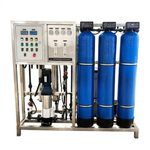
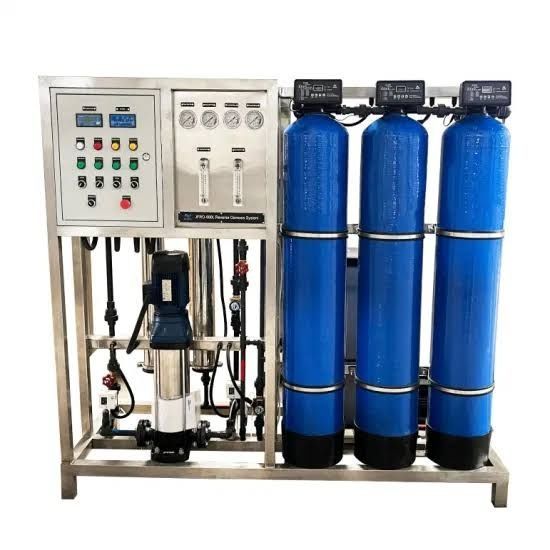
An RO water purification system normally contains several stages. Depending on its design, it may include sediment filtration, activated carbon filtration, a high-pressure pump, membrane vessels, flow controls, storage equipment, and monitoring instruments.
How Reverse Osmosis Works
Water entering a reverse osmosis machine may first pass through preliminary filters. These filters can reduce suspended particles and substances that could interfere with membrane operation. The water is then pressurized and directed toward the RO membrane.
At the membrane stage, water passes through very small membrane pathways. A portion becomes treated water, while the remaining stream carries a higher concentration of rejected dissolved substances. This second stream is commonly referred to as concentrate or reject water.
Main Types of RO Systems
Different applications require different system configurations. A commercial reverse osmosis system may be designed for restaurants, offices, hospitality facilities, or other locations with moderate water requirements.
An industrial RO system is generally designed for larger water volumes and may include multiple membrane stages, pumps, controls, and monitoring equipment. Industrial reverse osmosis machine configurations can vary according to feed-water characteristics, required water quality, and daily treatment volume.
| RO System Type | Common Application | Typical Characteristics |
|---|---|---|
| Small RO system | Residential and small facilities | Compact equipment and lower water flow |
| Commercial RO water treatment system | Offices and commercial facilities | Moderate flow and automated controls |
| Industrial RO system | Manufacturing and processing | Larger capacity and multiple components |
| High capacity reverse osmosis system | Large water treatment operations | Higher flow and expanded membrane arrangements |
| Wastewater reverse osmosis system | Water reuse applications | Designed around treated wastewater characteristics |
Importance
Water quality affects households, businesses, public facilities, and industrial operations. Dissolved salts, suspended materials, and other substances can affect how water is used for drinking, cleaning, manufacturing, processing, and equipment operation.
Reverse osmosis equipment is particularly relevant when dissolved substances need to be reduced from a water stream. The exact treatment capability depends on membrane characteristics, water chemistry, operating conditions, and the overall system design.
Applications Across Different Sectors
Industrial water purification equipment can be used in manufacturing processes where water quality influences production activities or equipment operation. Industrial RO water treatment systems may be integrated with pretreatment, storage, disinfection, and additional treatment stages.
Commercial water purification systems can support facilities that require treated water for food preparation, beverage production, hospitality activities, laboratories, or other applications. The required treatment process depends on the source water and the intended use.
Water Quality and Membrane Protection
RO membranes are sensitive to certain conditions. Suspended solids, biological growth, mineral scaling, and some chemical substances can reduce membrane performance or shorten operating life.
For this reason, reverse osmosis systems often use pretreatment stages. These may include sediment filters, carbon filtration, water softening, or other treatment methods selected according to the incoming water.
Water Recovery and Reject Streams
Reverse osmosis does not convert every incoming litre of water into treated water. Part of the feed stream leaves as concentrated reject water because dissolved substances are separated from the treated stream.
The proportion of water recovered depends on system configuration and feed-water characteristics. In some applications, wastewater reverse osmosis system designs are used to treat specific wastewater streams for potential reuse or additional processing.
Recent Updates
From 2024 through 2026, developments in RO technology have generally focused on energy management, membrane performance, automation, monitoring, and water reuse. These developments reflect broader efforts to improve water treatment processes while managing electricity use and water losses.
Automation and Digital Monitoring
An automatic reverse osmosis system can use sensors and programmed controls to monitor operating conditions. Parameters such as pressure, flow, conductivity, and water levels can be tracked to identify changes in system operation.
Digital monitoring can also make it easier to record operating information. Some systems connect these measurements with control platforms that allow operators to review system conditions and maintenance requirements.
Improvements in Membrane Technology
Membrane development continues to focus on permeability, selectivity, fouling resistance, and durability. Membrane selection remains dependent on the characteristics of the water being treated rather than on a single specification.
Advanced RO water treatment equipment may combine improved membrane designs with optimized pumps, energy recovery equipment, and monitoring controls. These components can influence the overall operation of high performance reverse osmosis systems.
Water Reuse and Industrial Treatment
Water reuse has become an important area within modern treatment planning. Industrial facilities may examine ways to treat and reuse selected water streams rather than relying entirely on new incoming water.
Advanced industrial RO systems can be incorporated into broader treatment arrangements involving filtration, biological treatment, disinfection, or other processes. The appropriate configuration depends on the source and intended application of the treated water.
Integration With Other Treatment Equipment
Industrial reverse osmosis equipment is increasingly considered as one component within a larger water treatment system. A complete industrial reverse osmosis system may include pretreatment, membrane units, pumps, instruments, controls, storage, and concentrate management.
This integrated approach helps operators consider the entire water pathway rather than focusing only on the membrane stage.
Tools and Resources
Several resources can help readers understand or evaluate RO processes. Water quality testing equipment can measure characteristics such as conductivity, total dissolved solids, pH, hardness, and other parameters relevant to treatment planning.
Manufacturers' technical manuals and membrane data sheets can provide information about operating ranges, membrane specifications, flow rates, and recommended pretreatment conditions. These documents are useful for understanding how particular equipment is intended to operate.
Useful Calculation and Planning Resources
RO planning may involve several measurements and calculations, including:
- Feed-water flow rate and daily water demand.
- Permeate flow, representing treated-water production.
- Concentrate flow, representing the reject stream.
- Recovery percentage, showing the proportion of feed water converted into permeate.
- Feed and permeate conductivity for monitoring dissolved-ion reduction.
- Pressure measurements across filters and membrane stages.
Water treatment organizations and educational platforms also publish technical guidance on membrane filtration, water quality, pretreatment, and system operation. These resources can provide general background information without replacing site-specific engineering assessment.
Monitoring and Maintenance Resources
Monitoring instruments can help identify changes in operating conditions. Pressure gauges, conductivity meters, flow meters, tank-level sensors, and digital controllers are commonly associated with larger reverse osmosis equipment.
Maintenance records can also document filter changes, membrane cleaning, operating pressure, water quality readings, and unusual system conditions. Keeping these records can help explain changes in system performance over time.
FAQs
What is a reverse osmosis machine?
A reverse osmosis machine uses pressure to push water through a semi-permeable membrane. The membrane separates treated water from a stream containing a higher concentration of rejected dissolved substances.
How do reverse osmosis systems work?
Reverse osmosis systems typically use pretreatment followed by pressurization and membrane filtration. Water passing through the membrane becomes the treated stream, while concentrated substances remain in the reject stream.
What is an industrial RO system used for?
An industrial RO system is used to treat larger volumes of water for applications such as manufacturing, processing, utilities, and other industrial activities. Its configuration depends on feed-water quality and the required treated-water characteristics.
What is a commercial reverse osmosis system?
A commercial reverse osmosis system is designed for facilities that require treated water at a scale above many residential applications. Examples can include offices, hospitality facilities, food-related operations, and institutional buildings.
What is a wastewater reverse osmosis system?
A wastewater reverse osmosis system applies membrane treatment to selected wastewater streams. It can be part of a broader water reuse or advanced treatment process, depending on the characteristics of the wastewater.
Conclusion
Reverse osmosis machines use membrane separation and pressure to reduce many dissolved substances from water. Reverse osmosis systems range from commercial equipment to high capacity industrial arrangements with multiple treatment and monitoring stages. Recent developments have emphasized automation, membrane technology, monitoring, energy management, and water reuse. The configuration of industrial water purification equipment depends on water characteristics, treatment objectives, operating conditions, and the surrounding treatment process.