Crankshaft Grinding Machines: Discover Components, Grinding Processes, and Machine Features
Crankshaft grinding machines are specialized machine tools used to restore or manufacture the precise cylindrical and offset surfaces of crankshafts.
A crankshaft converts the reciprocating movement of engine pistons into rotational movement, making dimensional accuracy important for engine performance and durability.
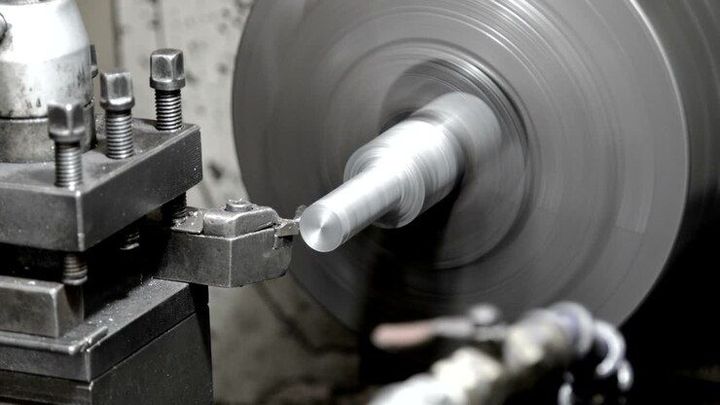
During grinding, an abrasive wheel removes a controlled amount of material from crankshaft journals, crankpins, and other specified surfaces. The process can correct wear, restore dimensions, improve surface finish, and achieve the geometric accuracy required for engine components.
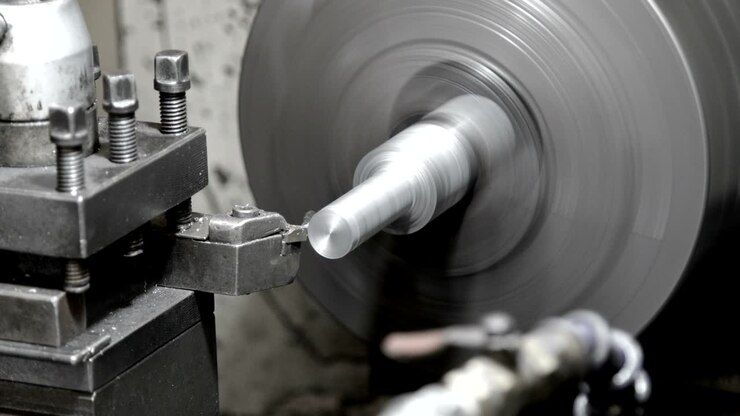
A typical crankshaft grinding machine includes a grinding wheel, workholding arrangement, drive system, control system, lubrication or coolant arrangement, and measurement equipment. Modern CNC crankshaft grinding machines can coordinate multiple axes and automatically follow programmed grinding profiles.
Crankshaft grinding is particularly relevant to automotive engines, diesel engines, heavy commercial vehicles, agricultural machinery, industrial engines, and other powertrain applications.
Common machine configurations and functions include:
- CNC crankshaft grinding machines for programmed precision grinding
- Cylindrical grinding systems for journal surfaces
- Offset grinding systems for crankpins
- High-precision grinding equipment for engine components
- Measurement and inspection systems for diameter and geometry verification
- Automated loading and unloading systems for production environments
The basic objective is controlled material removal. Unlike general-purpose grinding, crankshaft grinding must account for the different centerlines and angular relationships of crankshaft journals and crankpins.
Why Crankshaft Grinding Matters
Crankshafts operate under repeated mechanical loads, rotational forces, and friction. Their journals must maintain suitable dimensions and surface characteristics so that bearings can operate correctly.
Crankshaft grinding machines help address several manufacturing and maintenance requirements. They can remove surface irregularities, correct worn journal dimensions, and prepare crankshaft surfaces for further finishing or assembly.
Precision is particularly important because excessive material removal or incorrect geometry can affect bearing clearances and crankshaft balance. A grinding process therefore normally works with engineering drawings, dimensional specifications, inspection procedures, and appropriate measurement equipment.
The technology also supports the broader engine manufacturing ecosystem. Automotive component manufacturers, engine plants, industrial machinery producers, remanufacturing operations, and precision machining facilities may all use crankshaft-related grinding equipment.
Important performance considerations include:
| Factor | Importance |
|---|---|
| Dimensional accuracy | Helps maintain specified journal dimensions |
| Surface finish | Influences bearing and lubrication performance |
| Roundness | Supports consistent rotational geometry |
| Concentricity | Helps maintain correct shaft alignment |
| Crankpin positioning | Maintains the designed crankshaft geometry |
| Grinding wheel condition | Influences material removal and surface quality |
| Measurement accuracy | Helps verify results against engineering specifications |
Modern machines increasingly combine grinding controls with measurement systems. This allows dimensional information to be checked during or after machining and can reduce dependence on repeated manual measurements.
Recent Technology and Industry Updates
Grinding technology has increasingly moved toward CNC control, automation, digital measurement, and process integration. These developments are part of a wider transformation in machine tools toward connected and data-driven manufacturing.
In January 2025, IMTEX 2025 in Bengaluru presented developments across Indian and international machine-tool technology. The exhibition included CNC machining, grinding, automation, and digital manufacturing technologies, reflecting continued interest in advanced manufacturing systems.
The Indian Machine Tool Manufacturers' Association reported that Indian machine-tool production was provisionally estimated at ₹14,566 crore in FY 2024–25, an increase of about 7% over the previous year. Machine-tool consumption was estimated at ₹31,781 crore, showing the importance of machine tools to India's wider manufacturing sector.
Technology developments during 2025 also highlighted greater process integration. Newer grinding systems increasingly combine machining operations, automated workpiece handling, measurement, and CNC control within coordinated manufacturing cells.
For crankshaft-related applications, these trends can translate into better control over complex grinding paths and more consistent processing of journals and crankpins. Sensors, programmable controls, automatic dressing, and in-process measurement are becoming important areas of development.
Energy efficiency is another technology consideration. Servo-electric drives, improved machine structures, optimized grinding parameters, and better coolant management can help reduce unnecessary energy consumption while maintaining process control.
The direction of development is therefore not simply toward faster grinding. It is increasingly focused on precision, repeatability, automation, measurement, process monitoring, and integration with wider manufacturing systems.
Indian Laws, Standards and Policies
Crankshaft grinding machines used in India are affected by workplace safety requirements, machinery standards, electrical safety considerations, and applicable conformity-assessment requirements.
The Occupational Safety, Health and Working Conditions Code, 2020 became enforceable on 21 November 2025. Its framework covers occupational safety and health and includes provisions concerning machinery safety, machine guarding, work around moving machinery, lifting equipment, workplace conditions, and related hazards.
Grinding operations also require attention to abrasive-wheel safety. BIS maintains Indian Standards covering the safe use, care, protection, inspection, mounting, and guarding of abrasive grinding wheels.
A particularly important recent regulatory development concerns the Machinery and Electrical Equipment Safety (Omnibus Technical Regulation) Order, 2024. The Ministry of Heavy Industries issued amendments during 2025, but the original 2024 order was subsequently withdrawn on 16 January 2026. Therefore, manufacturers and users should check the latest notification and applicable BIS requirements rather than relying on older OTR implementation dates.
BIS also provides Scheme-X certification information for machinery safety, including guidelines covering metal-cutting machines. The applicability of a specific certification requirement depends on the machine category, applicable notification, product classification, and current regulatory status.
For organizations operating crankshaft grinding equipment, practical compliance should include appropriate machine guarding, emergency controls, electrical protection, abrasive-wheel inspection, operator training, workplace risk assessment, and maintenance procedures.
Tools and Resources for Crankshaft Grinding
Several technical resources can help engineers, production teams, maintenance personnel, and students understand crankshaft grinding technology.
Useful resources include:
- Bureau of Indian Standards: The BIS standards portal can be used to search Indian Standards by keyword or standard number.
- IMTMA: The Indian Machine Tool Manufacturers' Association provides industry reports, technology information, exhibitions, and machine-tool sector statistics.
- India Code: The government legislation portal provides access to laws such as the Occupational Safety, Health and Working Conditions Code.
- Machine-tool manufacturer documentation: Technical catalogs and manuals can provide information about CNC controls, grinding configurations, workpiece dimensions, wheel specifications, and measurement systems.
- Engineering calculators: Grinding-speed, feed-rate, material-removal, and dimensional-tolerance calculations can assist with process planning when used with appropriate engineering data.
- Inspection equipment: Micrometers, dial indicators, roundness testers, balancing equipment, surface-finish instruments, and coordinate measurement systems can support dimensional verification.
A useful technical workflow normally combines machine documentation, engineering drawings, grinding-wheel specifications, process parameters, inspection data, and applicable safety requirements.
Frequently Asked Questions
What is a crankshaft grinding machine?
A crankshaft grinding machine is a specialized grinding machine designed to precisely machine crankshaft journals, crankpins, and related surfaces. It uses an abrasive grinding wheel and controlled workholding system to achieve specified dimensions and surface characteristics.
Why is CNC control useful in crankshaft grinding?
CNC control allows grinding movements and crankshaft positions to be programmed accurately. It can help manage complex journal and crankpin geometries, repeat machining sequences, and maintain consistent process parameters.
Which industries use crankshaft grinding machines?
They are commonly associated with automotive manufacturing, engine production, heavy vehicles, agricultural equipment, industrial engines, and precision component manufacturing.
What measurements are important after crankshaft grinding?
Typical checks can include journal diameter, roundness, taper, surface finish, concentricity, crankpin position, and other dimensions specified by the engineering drawing or component specification.
Are crankshaft grinding machines covered by Indian safety requirements?
Machine operators and organizations must follow applicable workplace safety and machinery requirements. Relevant BIS standards, occupational safety provisions, electrical requirements, and current government notifications should be checked for the specific machine and application.
Conclusion
Crankshaft grinding machines are important precision machine tools used to manufacture, restore, and finish critical engine components. Their work involves much more than removing metal because crankshafts contain multiple journals and crankpins with carefully controlled dimensions and positions.
Modern equipment is increasingly based on CNC control, automated handling, digital measurement, process monitoring, and integrated manufacturing. These technologies can support greater repeatability and better process control when correctly configured.
In India, the topic is also connected with occupational safety requirements, BIS standards, and changing machinery regulations. The withdrawal of the 2024 Machinery and Electrical Equipment Safety regulation in January 2026 demonstrates why current government notifications should be checked before making compliance decisions.