Rail-Based Adventure Tourism: Guide to Scenic Journeys and Travel Insights
Rail-based adventure tourism combines train travel with exploration of landscapes, cultural regions, heritage sites, and outdoor destinations. Instead of treating the train only as transportation, travelers can make the journey itself part of the travel experience.
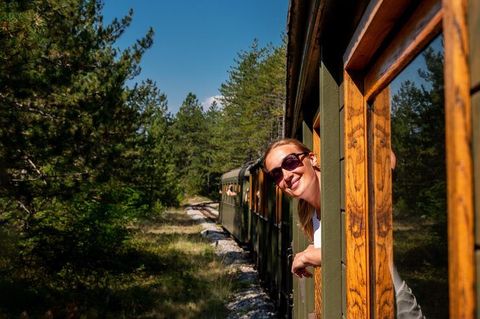
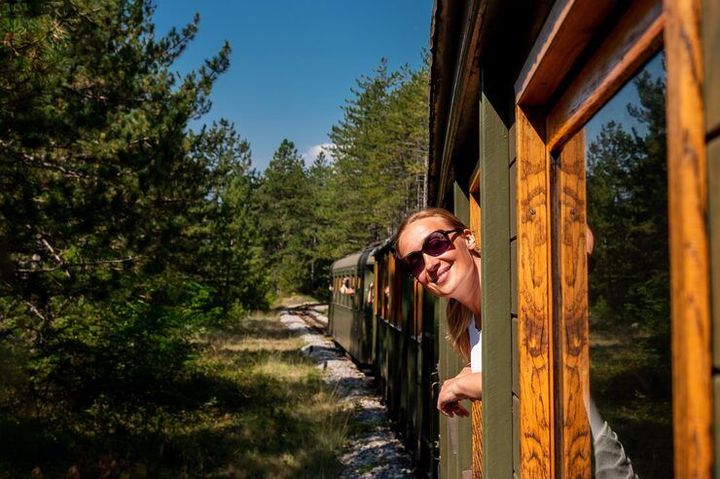
Scenic rail routes may pass through mountains, forests, deserts, coastlines, valleys, and historic towns. Some journeys use modern panoramic trains, while others operate on historic railways with traditional locomotives and carriages.
Rail-based adventure tourism can appeal to travelers who want to experience destinations at a slower pace. The changing landscape outside the window becomes an important part of the journey, while stops along the route can provide access to hiking, wildlife viewing, cultural activities, and local attractions.
How Scenic Rail Journeys Work
A scenic rail journey usually follows a route selected for its landscapes, engineering features, heritage value, or access to distinctive destinations.
A typical journey may include:
Scenic train travel through natural landscapes
Planned stops at towns, viewpoints, or attractions
Connections with hiking or outdoor activities
Heritage railway experiences
Mountain, coastal, desert, or forest routes
Photography opportunities
Local food and cultural experiences
Overnight or multi-day rail travel
Some routes are designed specifically for tourism, while others use regular passenger railways that happen to travel through scenic regions.
Main Types of Rail-Based Adventure Tourism
| Type | Typical Environment | Main Experience |
|---|---|---|
| Mountain Railways | Alps, Andes, Himalayas, Rockies | Mountain scenery and engineering |
| Heritage Railways | Historic towns and rural areas | Historic trains and railway culture |
| Coastal Rail Journeys | Oceans and coastal regions | Beaches, cliffs, and sea views |
| Desert Rail Routes | Arid and semi-arid regions | Landscapes and remote settlements |
| Forest Railways | National parks and wooded regions | Wildlife and natural scenery |
| Luxury Scenic Trains | Multiple landscapes | Extended onboard travel |
| Expedition Rail Journeys | Remote destinations | Exploration and multi-day travel |
Importance
Scenic Experiences
One of the main attractions of rail-based adventure tourism is continuous visual access to the surrounding landscape. Large windows, panoramic observation areas, and slower travel speeds can make it easier to appreciate mountains, rivers, forests, and villages.
Rail routes can also reach geographical areas that may be difficult to experience through conventional road travel. Curved tracks, bridges, tunnels, mountain passes, and historic stations can become part of the adventure.
Access to Remote Destinations
Rail networks can connect major cities with smaller communities and remote regions. In some destinations, railway travel provides a practical starting point for hiking, wildlife observation, cycling, cultural exploration, and other activities.
Travelers can combine a train journey with activities at selected stops rather than staying entirely onboard.
Cultural Exploration
Railways often connect regions with different languages, cuisines, architecture, traditions, and historical backgrounds. A journey can therefore become a way to experience several local cultures within one itinerary.
Historic stations, railway museums, traditional markets, and heritage towns can add educational value to the trip.
Lower-Impact Travel Considerations
Rail travel can play a role in transportation strategies that emphasize efficient movement of passengers, particularly when rail replaces some longer road or air journeys.
The environmental impact of a specific journey depends on factors such as train occupancy, electricity sources, route length, infrastructure, and the type of competing transportation.
Recent Updates
Modern Scenic Train Design
Rail operators are increasingly incorporating large windows, panoramic viewing areas, improved seating, onboard information systems, and better accessibility into scenic travel experiences.
Modern train interiors can also include observation cars and dedicated spaces designed to improve landscape viewing without requiring travelers to leave their seats.
Digital Journey Planning
Digital platforms have changed how travelers organize complex rail itineraries. Travelers can now research routes, compare timetables, monitor train operations, reserve seats where available, and organize connections through digital tools.
Mobile tickets and electronic journey information can also reduce the need for printed travel documents on participating networks.
Heritage Railway Preservation
Historic railways continue to play an important role in tourism and cultural preservation. Preservation programs may protect locomotives, stations, bridges, workshops, signaling equipment, and historic railway landscapes.
Some heritage routes operate only during specific seasons, while others run throughout much of the year.
Growing Interest in Slow Travel
Rail-based tourism fits into the broader concept of slow travel, where the journey is considered part of the destination experience.
Instead of moving quickly between major cities, travelers can spend more time observing landscapes, visiting smaller communities, and incorporating intermediate destinations into an itinerary.
Accessibility Improvements
Some modern rail systems are introducing improved boarding systems, accessible seating, information displays, and facilities for travelers with different mobility requirements.
Accessibility varies considerably between operators and routes, so travelers should check the specific train, station, and destination before planning a journey.
Laws or Policies
Railway Safety Regulations
Railway operations are generally governed by national or regional transportation authorities. These frameworks can address infrastructure safety, signaling, rolling stock, railway operations, emergency procedures, and passenger protection.
Requirements differ between countries, so travelers should follow the rules established by the relevant railway operator and transportation authority.
Heritage Protection
Historic railways may operate under heritage, conservation, or cultural-property frameworks. These rules can affect the preservation of historic stations, locomotives, bridges, landscapes, and railway equipment.
Protected heritage locations may also have restrictions concerning photography, access, restoration, or visitor activities.
Environmental Regulations
Scenic rail routes passing through protected forests, national parks, coastal areas, or other sensitive environments may be subject to environmental regulations.
Travelers should follow local rules concerning waste disposal, wildlife interaction, hiking access, photography, and restricted areas.
Passenger Documentation
International rail journeys may involve passports, visas, transit permissions, or border-control requirements. Requirements depend on nationality, destination, and the countries included in the itinerary.
Travelers should verify current entry requirements with official government and railway sources before departure.
Tools and Resources
Railway Timetable Platforms
Official railway websites and timetable systems are useful for checking departure times, route changes, station information, and seasonal operations.
For international journeys, travelers may need to consult multiple railway operators because schedules and booking systems can differ across borders.
Route Maps
Railway maps help travelers understand the geographical relationship between cities, scenic areas, connecting routes, and activity destinations.
A route map is particularly useful when planning journeys involving several train changes.
Weather Resources
Weather conditions can significantly influence scenic rail experiences. Mountain routes may experience snow, heavy rainfall, fog, or temporary disruptions, while desert routes can experience extreme heat.
Checking weather information shortly before departure can help travelers prepare clothing and activity plans.
Travel Planning Applications
Travel applications can help organize:
Train schedules
Station transfers
Digital tickets
Accommodation
Local transportation
Maps
Weather information
Destination activities
Travelers should still verify important schedule information with official railway sources, particularly when a journey involves multiple operators.
Photography Equipment
Scenic rail journeys can provide extensive photography opportunities. Useful equipment may include a compact camera or smartphone, spare battery capacity, and suitable storage.
Window reflections can affect photographs, so travelers may achieve clearer results by positioning the camera close to the glass while avoiding direct contact with the window.
Planning a Rail-Based Adventure Journey
Select the Journey Type
Start by deciding what type of scenery or experience is most important. A mountain railway provides a different experience from a coastal route or heritage railway.
The decision can be based on landscape, season, travel duration, activities, and cultural interests.
Check Seasonal Conditions
Some scenic railways operate on seasonal schedules. Snow, storms, maintenance periods, extreme temperatures, or limited daylight can affect operations and sightseeing conditions.
Checking the operating calendar before making a detailed itinerary is particularly important for remote routes.
Plan Activities Around Stations
A rail-based adventure can become more varied when travelers plan activities around intermediate stops.
For example, a journey through a mountain region might include a train ride, a short hike, a local museum visit, and a return journey on another section of the railway.
Allow Time for Connections
Complex itineraries require sufficient transfer time. Delays on one railway segment can affect subsequent connections.
Building reasonable connection periods into the itinerary can make multi-train journeys easier to manage.
Prepare for Changing Conditions
Adventure-oriented rail journeys may involve destinations with rapidly changing weather. Travelers should consider suitable clothing, comfortable footwear, water, medication that they normally require, and other personal travel essentials.
For outdoor activities, travelers should also review local safety requirements and trail conditions.
FAQs
What is rail-based adventure tourism?
Rail-based adventure tourism is travel that combines scenic or heritage train journeys with exploration, outdoor activities, cultural experiences, and visits to destinations along or near railway routes.
Why are scenic rail journeys popular?
Scenic rail journeys allow travelers to experience landscapes while remaining on a structured transportation route. Mountain scenery, coastlines, forests, valleys, historic towns, and railway engineering can all contribute to the experience.
Which destinations are suitable for rail-based adventure tourism?
Suitable destinations can include mountain regions, national parks, coastal areas, historic railway corridors, deserts, forests, and regions connected by long-distance passenger rail.
What should travelers consider before a scenic train journey?
Travelers should check operating dates, timetables, ticket requirements, weather conditions, accessibility, luggage rules, connection times, and local regulations before departure.
Can rail travel be combined with outdoor adventures?
Yes. Travelers can combine rail journeys with hiking, cycling, wildlife observation, photography, cultural exploration, and other activities, depending on local facilities and regulations.
Conclusion
Rail-based adventure tourism turns railway travel into an important part of the destination experience. Scenic landscapes, historic railways, cultural stops, and outdoor activities can create journeys that extend beyond conventional transportation.
Modern digital planning tools make it easier to organize complex rail itineraries, while heritage railway preservation continues to connect travelers with railway history. Seasonal planning, official railway information, weather awareness, and responsible behavior remain important for a smooth journey.
For travelers interested in landscapes, culture, history, and exploration, rail-based journeys provide a distinctive way to experience destinations while making the route itself part of the adventure.