Private Island Vacations: Discover Exclusive Destinations and Travel Experiences
Private island vacations combine seclusion, natural beauty, refined accommodation, and personalized travel experiences. From tropical retreats to remote island sanctuaries, these destinations provide distinctive settings for relaxation, outdoor activities, cultural discovery, and meaningful escapes.
Context
Private island vacations represent a distinctive form of travel centered on privacy, natural surroundings, and a slower pace. Instead of staying in a large destination area, travelers may stay on an island where accommodation, beaches, dining areas, and recreational activities are closely connected to the surrounding landscape.
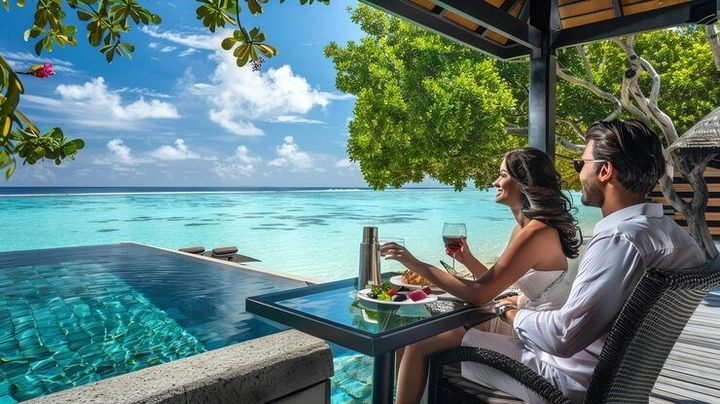
These destinations can range from small tropical islands and secluded Mediterranean properties to remote retreats in the Indian Ocean, Pacific, and Caribbean. Some are designed around individual villas, while others operate as small island resorts with shared facilities and carefully planned guest experiences.
The appeal of a private island setting is not limited to luxury. Seclusion, access to nature, fewer crowds, and the ability to spend more time in one location are increasingly important elements of modern travel planning.
Types of Private Island Vacations
Private island vacations can be grouped into several broad categories:
Tropical island retreats with beaches and water activities
Island resorts focused on wellness and relaxation
Family-oriented island destinations
Adults-only island settings
Nature and wildlife retreats
Private island villa experiences
Adventure-focused island escapes
Cultural island destinations
The right category depends on the travel purpose, preferred environment, accessibility, activities, and length of stay.
Island Settings Around the World
Private island destinations are found across several regions. The Maldives and Seychelles are known for Indian Ocean island retreats, while French Polynesia provides remote Pacific settings. The Caribbean includes numerous small islands with beaches, marine activities, and distinctive local cultures.
Mediterranean islands can provide a different experience, combining coastal scenery with historical sites, local cuisine, architecture, and cultural activities. Southeast Asian island destinations can similarly combine tropical landscapes with nature, food, and cultural exploration.
Importance
Private island vacations are significant because they combine accommodation and destination experiences within a relatively concentrated setting. Travelers can spend several days exploring beaches, marine environments, local landscapes, and recreational facilities without repeatedly changing locations.
Privacy and Seclusion
Privacy is one of the main characteristics associated with private island travel. Smaller properties may have fewer accommodations and quieter common areas, while some destinations provide standalone villas or exclusive-use spaces.
This setting can be particularly suitable for travelers seeking uninterrupted time with family, partners, or small groups.
Connection With Nature
Island destinations naturally place travelers close to coastal and marine environments. Depending on the location, activities may include snorkeling, kayaking, paddleboarding, sailing, hiking, fishing, birdwatching, and wildlife observation.
Marine ecosystems are also an important part of the island experience. Coral reefs, mangroves, lagoons, beaches, and coastal forests can provide opportunities for learning about local environments while enjoying outdoor activities.
Personalized Travel Experiences
Many private island destinations organize experiences around individual interests. These may include private dining settings, guided nature activities, cultural visits, wellness programs, water sports, or customized excursions.
Rather than following a fixed schedule, travelers can often structure their days around relaxation, exploration, recreation, and personal interests.
Extended Stays
A private island vacation can work particularly well as a longer stay because the destination itself provides multiple activities. Travelers may divide their time between beach relaxation, water activities, local exploration, dining, and nature experiences.
Recent luxury travel reporting has also highlighted longer stays and more immersive itineraries as an emerging direction within high-end travel planning.
Recent Updates
Private island travel continues to develop as travelers show greater interest in secluded destinations, emerging islands, sustainability, and experience-focused trips.
Rising Interest in Island Destinations
Expedia's 2026 Island Hot List reported that searches for islands increased by an average of 55% year over year, while social media mentions increased by 20%. The trend included both established destinations and less familiar islands across different regions.
This indicates growing interest in island environments beyond traditional beach destinations.
Regenerative and Sustainable Island Tourism
Environmental planning has become an important part of modern island development. Newer destinations are incorporating renewable energy, conservation programs, local materials, ecosystem protection, and resource-management systems.
For example, the Red Sea's Shura Island reported in 2026 that its operational hotels had achieved LEED Platinum certification, with the properties powered entirely by renewable energy.
Preservation-Focused Resort Design
Island developments are also placing greater attention on integrating buildings with existing landscapes. The 2026 redevelopment of Lagen Island Resort in El Nido, Philippines, emphasized preservation and regenerative tourism while incorporating local Filipino craftsmanship into the design.
This approach reflects a broader movement toward accommodations that connect architecture with local environments rather than separating resorts from their surroundings.
Technology and Travel Planning
Digital planning tools are making it easier to coordinate island transportation, accommodation details, activities, weather information, and itineraries. Some luxury travel platforms are also experimenting with artificial intelligence for personalized itinerary planning and digital concierge functions.
Technology can be particularly useful for remote islands because transportation arrangements may involve multiple stages, such as international flights, regional flights, boats, or seaplanes.
More Focus on Exclusive-Use Experiences
Private island travel is also increasingly associated with exclusive-use arrangements. These may involve a complete island, a collection of villas, or a secluded estate designed for a private group.
The trend reflects wider demand for privacy and personalized experiences within luxury travel.
Laws or Policies
Travelers planning private island vacations should consider immigration, entry, environmental, maritime, and local tourism requirements.
Passport and Entry Requirements
International travelers generally need valid travel documents and must meet the entry requirements of the destination country. Visa rules vary according to nationality, destination, travel purpose, and length of stay.
Travelers should verify current requirements through official government immigration or foreign-affairs resources before departure.
Environmental Regulations
Many islands contain sensitive ecosystems such as coral reefs, protected beaches, marine habitats, wetlands, and wildlife areas. Local rules may restrict fishing, anchoring, collecting shells or coral, entering protected areas, or interacting with wildlife.
Visitors should follow local conservation requirements and any instructions provided by protected-area authorities.
Maritime and Transport Rules
Some private island destinations are reached by boats, ferries, yachts, or seaplanes. Maritime safety requirements, port procedures, weather restrictions, and passenger regulations may apply.
Travelers should confirm transportation arrangements before departure, especially when an island has limited access during poor weather.
Local Cultural Requirements
Island communities can have distinct cultural traditions and local rules. Travelers should respect dress expectations, photography restrictions, protected cultural sites, community customs, and environmental practices.
Understanding these requirements can help create a more respectful and responsible travel experience.
Tools and Resources
Several resources can help travelers plan private island vacations efficiently.
Destination Research
Travel publications, official tourism websites, island authorities, and destination resources can provide information about geography, climate, activities, transportation, and seasonal conditions.
Accommodation Research
Travelers can compare accommodation layouts, island access, dining arrangements, recreational facilities, environmental policies, and available activities before selecting a destination.
Transportation Planning
Remote islands may require multiple transportation stages. Route-planning tools can help coordinate international flights, domestic connections, boat transfers, seaplane schedules, and ground transportation.
Weather Resources
Weather information is especially important for island travel because tropical storms, strong winds, heavy rainfall, and seasonal sea conditions can influence transportation and outdoor activities.
Sustainability Information
Travelers interested in responsible tourism can review information about renewable energy, waste management, water conservation, marine protection, local sourcing, and ecosystem restoration.
FAQs
What are private island vacations?
Private island vacations are trips centered on accommodation located on a secluded or privately managed island. They can include beach retreats, nature experiences, water activities, wellness programs, and exclusive-use accommodations.
Which destinations are known for private island vacations?
The Maldives, Seychelles, French Polynesia, the Caribbean, Southeast Asia, and selected Mediterranean locations are associated with private island travel. Each region provides different landscapes, climates, cultural experiences, and accessibility.
What activities are available during private island vacations?
Activities can include snorkeling, kayaking, sailing, swimming, hiking, wildlife observation, fishing, cultural exploration, wellness programs, and nature excursions. Available activities depend on the individual island and local conditions.
Are private island vacations suitable for families?
Some private island destinations are designed for families and provide larger villas, children’s activities, water recreation, and family-oriented facilities. Others focus on adults or couples, so travelers should review the accommodation's guest policies before planning.
What should travelers consider when planning a private island vacation?
Important factors include destination climate, accessibility, transportation connections, accommodation type, activities, local regulations, environmental policies, travel documents, and the length of the stay.
Conclusion
Private island vacations combine seclusion, natural landscapes, accommodation, and destination-based experiences within a distinctive travel setting. Current island travel trends show growing interest in emerging destinations, sustainability, longer stays, and more personalized experiences. Careful planning around transportation, weather, entry requirements, environmental rules, and local culture can make the journey smoother. For travelers seeking a quieter and more immersive destination, private islands provide a distinctive approach to exploring coastal environments.