Platinum Wedding Bands: Discover Durable Designs and Contemporary Wedding Styles
Platinum wedding bands combine a naturally bright appearance with a dense, durable precious-metal structure. Their smooth finishes, classic profiles, and contemporary design options make them suitable for a wide range of wedding styles.
Platinum Wedding Bands: Discover Durable Designs and Contemporary Wedding Styles
Context
Platinum wedding bands are ring designs made primarily from platinum or a platinum alloy and are commonly associated with wedding ceremonies and long-term everyday wear. Platinum has a naturally white appearance, a dense structure, and characteristics that make it suitable for jewellery applications.
Wedding bands can range from simple polished rings to contemporary designs featuring textured surfaces, contrasting finishes, geometric details, or small gemstone settings. The choice depends on personal style, ring width, comfort preferences, and coordination with other jewellery.
What Are Platinum Wedding Bands?
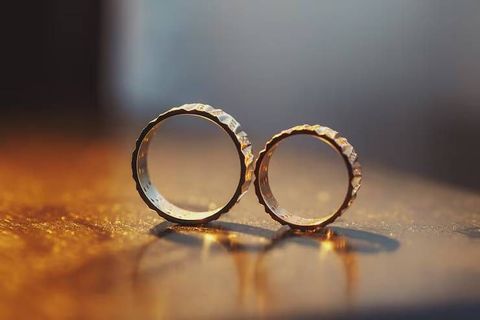
Platinum wedding bands are circular rings designed for wedding wear and produced using platinum-based materials. Platinum is naturally white, so its appearance does not depend on a surface coating to create a white-metal look.
The metal is also relatively dense compared with many other jewellery metals. This contributes to the substantial feel that many people associate with platinum rings.
Common Platinum Purities
Platinum jewellery can be produced using different levels of platinum content depending on the applicable standard and alloy composition. The fineness marking provides information about the proportion of platinum in the material.
In India, BIS lists IS 15329:2003 as the Indian Standard for platinum and platinum-alloy jewellery artefacts covering fineness and marking.
Why Ring Design Matters
The appearance of a wedding band is influenced by more than the metal itself. Width, profile, surface treatment, edge shape, interior contour, and decorative elements can significantly change the overall appearance.
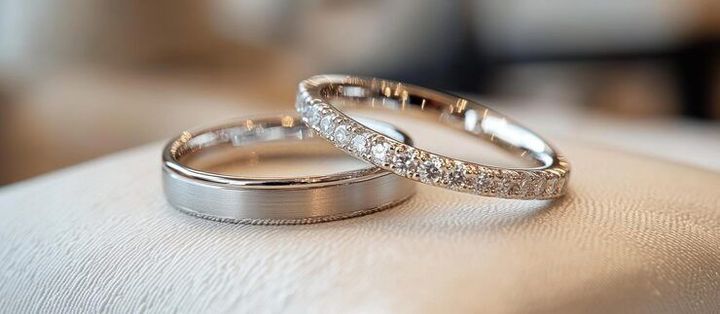
A narrow polished band may create a subtle appearance, while a wider brushed or patterned band can provide a more contemporary visual character.
Importance
Platinum wedding bands are significant in jewellery design because they combine traditional wedding-ring symbolism with a range of modern design possibilities. The material's density and naturally white appearance allow designers to create both understated and more structured styles.
The choice of a wedding band can also involve practical considerations. Since a wedding band may be worn frequently, factors such as comfort, surface finish, ring profile, maintenance, and sizing can influence the overall experience.
Durability and Everyday Wear
Platinum is a dense precious metal and is known for its durability in jewellery applications. Like other jewellery metals, however, it can develop surface marks through everyday contact with objects and materials.
Instead of simply disappearing, platinum can experience movement of metal within the surface when scratched. This contributes to the characteristic appearance that some platinum jewellery develops over time.
Natural White Appearance
Platinum has a naturally white metallic appearance. This makes it suitable for people who prefer a cool-toned metal without relying on a white surface coating.
Its neutral appearance can also coordinate with diamonds and other gemstones. The visual effect can vary depending on whether the ring has a polished, satin, brushed, hammered, or textured surface.
Comfort and Ring Profile
Ring comfort depends partly on the internal shape of the band. A comfort-fit design may have a slightly rounded interior, while a traditional profile can have a flatter internal surface.
The width of the band also affects how it feels on the finger. Wider rings generally create a more substantial presence, while narrower bands can have a lighter visual effect.
Design Compatibility
Platinum wedding bands can be designed to coordinate with engagement rings or other jewellery. Matching bands may use similar widths, finishes, or edge shapes, while contrasting designs can create a more distinctive combination.
Some couples select identical designs, whereas others choose complementary rings with different widths or surface treatments.
Common Design Styles
Several design approaches are frequently used for platinum wedding bands:
Classic polished bands
Brushed or satin-finish bands
Matte-finish rings
Hammered textures
Milgrain edge details
Channel-set gemstone bands
Geometric patterns
Two-tone designs
Flat-profile bands
Comfort-fit bands
Contoured bands
Engraved interiors
The final appearance depends on the combination of these elements rather than the metal alone.
| Design Feature | Typical Characteristic | Visual Effect |
|---|---|---|
| Polished finish | Smooth reflective surface | Classic appearance |
| Brushed finish | Fine directional texture | Modern appearance |
| Matte finish | Low-reflective surface | Subtle appearance |
| Hammered texture | Irregular surface pattern | Artisan-inspired character |
| Flat profile | Straight outer surface | Contemporary appearance |
| Rounded profile | Curved outer surface | Traditional appearance |
| Gemstone setting | Small stones integrated into band | Decorative detail |
| Engraving | Text or pattern on surface | Personalized appearance |
Recent Updates
Recent developments in platinum wedding-band design have focused on personalization, mixed textures, streamlined profiles, and combinations of traditional and contemporary styling.
Contemporary Minimalism
Minimalist wedding bands continue to use clean lines, smooth surfaces, and restrained detailing. Platinum works well with this design approach because its natural white appearance can provide a simple foundation for an understated ring.
Minimalist designs can also vary through small differences in width, edge treatment, or surface finish.
Mixed Surface Finishes
Designers increasingly combine polished and textured areas within the same ring. A central brushed section with polished edges, for example, can create visual contrast without requiring a complex pattern.
This approach provides flexibility for people who want a contemporary appearance while maintaining a relatively simple overall form.
Geometric Designs
Straight lines, angular edges, grooves, and structured surfaces are increasingly visible in contemporary wedding-band design. These elements can create a more architectural appearance compared with traditional rounded bands.
Geometric styling can also be combined with different finishes to make individual sections visually distinct.
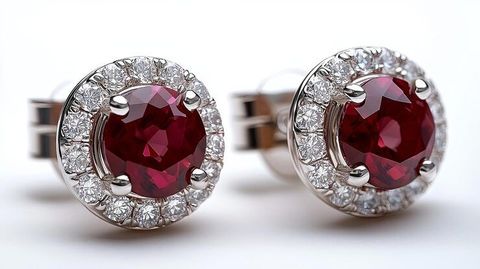
Subtle Gemstone Details
Some platinum wedding bands incorporate small diamonds or other gemstones. Stones may be positioned along the band, around the edges, or within specific decorative sections.
The setting method affects both appearance and the amount of visible metal surrounding the stones. The overall design should therefore consider the relationship between the platinum structure and the gemstone arrangement.
Personalization
Engraving and customized surface patterns provide additional ways to distinguish a wedding band. Interior engraving can include meaningful text, while exterior engraving can be incorporated into decorative patterns.
Personalization should be considered alongside ring width and surface area because smaller bands provide less space for detailed engraving.
Laws or Policies
Jewellery requirements vary by country, so platinum wedding bands should be considered within the applicable standards for the market where the jewellery is manufactured, marked, or sold.
In India, BIS states that its current hallmarking framework covers gold and silver as the precious metals presently brought under the hallmarking scheme. Therefore, the rules applicable to hallmarked gold or silver should not automatically be assumed to apply in the same way to platinum jewellery.
BIS nevertheless lists IS 15329:2003 — Platinum and platinum alloys jewellery artefacts — Fineness and marking — Specification within its standards information. This provides a relevant reference when examining platinum jewellery specifications and marking.
The BIS Act, 2016 and related conformity-assessment regulations form part of India's broader standards framework. BIS also maintains a standards portal where users can search Indian Standards by number or subject.
Metal Identification
A platinum ring may carry a fineness or purity marking that identifies its platinum content. The exact marking should be interpreted according to the applicable standard and jurisdiction.
Documentation accompanying the ring can also provide information about metal composition, gemstone details, and other specifications. Keeping relevant documentation is useful for future identification and maintenance.
Ring Sizing Standards
Ring dimensions and sizing are also covered by jewellery standards. BIS lists IS 15892, based on ISO 8653, for jewellery ring-size definition, measurement, and designation.
Accurate sizing is particularly important for wedding bands because a ring intended for frequent wear should remain comfortable during normal changes in finger size.
Tools and Resources
Several resources can help readers understand platinum wedding bands and their technical characteristics.
Platinum Standards
BIS standards provide information about specifications, fineness, marking, and related jewellery requirements. IS 15329 is particularly relevant to platinum and platinum-alloy jewellery in the Indian standards system.
Ring-Size References
Standardized ring-size information can help explain the relationship between internal dimensions and designated ring sizes. Measurements should be interpreted according to the relevant sizing system.
Jewellery Care Resources
Care information can explain appropriate cleaning methods, storage practices, polishing considerations, and precautions for rings containing gemstones.
Metal Testing Resources
Recognized testing and assaying facilities can provide technical information about precious-metal composition where appropriate. BIS maintains information about recognized Assaying and Hallmarking Centres as part of its broader hallmarking framework.
Design References
Jewellery design references can help readers compare ring profiles, finishes, widths, engraving approaches, gemstone arrangements, and contemporary styling.
FAQs
What are platinum wedding bands?
Platinum wedding bands are wedding rings made primarily from platinum or a platinum alloy. They can range from simple polished bands to contemporary designs with textures, engraving, or gemstone details.
Are platinum wedding bands durable?
Platinum is a dense precious metal with characteristics that make it suitable for frequent jewellery wear. Like other metals, platinum can develop surface marks through everyday contact, but its surface behavior differs from many other jewellery materials.
What styles are available for platinum wedding bands?
Common styles include polished, brushed, matte, hammered, geometric, flat-profile, rounded-profile, engraved, and gemstone-accented designs.
What should be checked in platinum wedding bands?
Important considerations include metal fineness, ring size, profile, width, surface finish, design details, gemstone specifications where applicable, and relevant documentation.
Does India have a platinum hallmarking system?
BIS currently states that gold and silver are the precious metals covered by its hallmarking framework in India. BIS separately lists IS 15329:2003 for platinum and platinum-alloy jewellery fineness and marking, so platinum marking should be considered under the applicable standard rather than automatically treated as equivalent to gold or silver hallmarking.
Conclusion
Platinum wedding bands combine a naturally white appearance, substantial feel, and varied design possibilities for traditional and contemporary wedding styles. Their appearance can be changed significantly through width, profile, surface finish, engraving, geometric details, and gemstone settings. Understanding platinum fineness, ring sizing, applicable standards, and maintenance considerations can help readers evaluate different designs more clearly. In India, BIS standards provide relevant technical references for platinum jewellery fineness and marking, while the current BIS hallmarking framework specifically identifies gold and silver as covered precious metals.