Box Chains: Guide to Design, Materials, Uses & Jewelry Insights
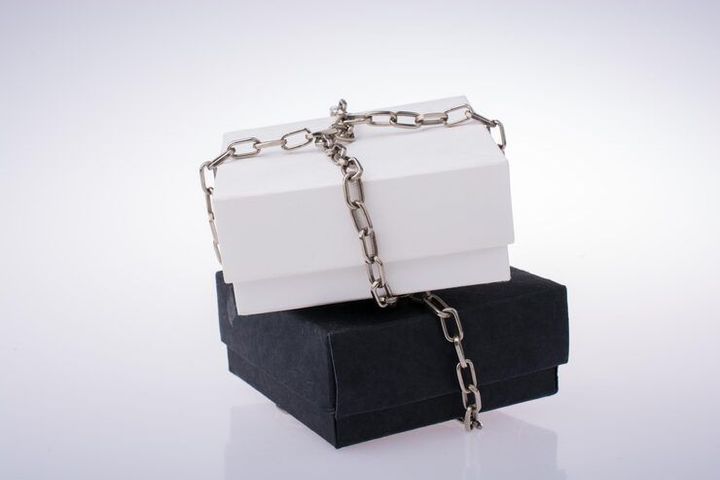
A box chain is a type of jewelry chain made from a series of connected links designed to create a smooth, square or rectangular appearance.
Box chains are commonly used for necklaces, pendants, bracelets, and other jewelry designs. They can be produced from materials such as gold, silver, platinum, or other metals. Gold box chains are particularly associated with classic jewelry designs, while sterling silver box chains are often used for contemporary styles.
The basic structure consists of small links connected closely together. When viewed from the front, the links can appear almost square, creating the "box" appearance from which the chain gets its name.
The design exists because jewelry makers need different chain structures for different purposes. A chain must balance appearance, flexibility, weight, link construction, and compatibility with pendants or other components.
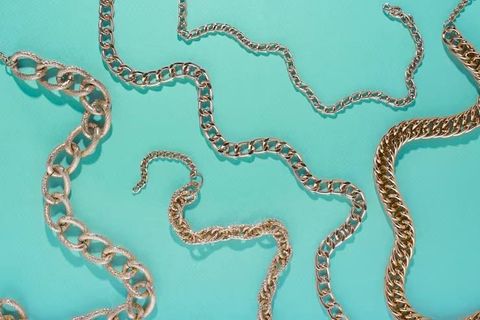
A box chain can be particularly useful when a relatively smooth visual surface is preferred. Its geometric construction also makes it visually different from cable chains, rope chains, snake chains, and curb chains.
Why Box Chains Matter in Modern Jewelry
Box chains matter because chain construction influences how jewelry looks, moves, and interacts with other components. A pendant, for example, can appear different depending on whether it is attached to a thin round-link chain or a more structured box chain.
Several characteristics make box chains relevant to jewelry design:
- Geometric appearance: The square-link structure creates a clean and modern appearance.
- Flexible construction: Individual links allow the chain to move while maintaining its overall form.
- Pendant compatibility: Many box chains are used with pendants because their structured appearance can complement geometric and traditional designs.
- Material variety: Gold, silver, platinum, and other metals can be used.
- Different thicknesses: Designs range from delicate chains to heavier constructions.
- Style versatility: They can appear in casual, formal, minimalist, or traditional jewelry.
The choice of metal also affects the characteristics of a box chain. Gold is available in different purity levels, while silver is commonly identified by fineness standards such as sterling silver. Platinum jewelry has its own metal-content requirements and disclosure considerations in some markets.
For people researching gold chain prices, gold jewelry investment, precious metal jewelry, or jewelry valuation, it is important to distinguish the metal's market value from the design, craftsmanship, weight, and other characteristics of a finished jewelry article.
Gold market conditions have become particularly relevant to jewelry decisions. The World Gold Council reported that global gold jewelry consumption volume fell to 1,542.3 tonnes in 2025, an 18% year-over-year decline, while the value of jewelry demand reached a record US$172 billion.
Box Chain Characteristics at a Glance
| Characteristic | Typical Description |
|---|---|
| Link shape | Square or rectangular |
| Appearance | Geometric and smooth |
| Common metals | Gold, silver, platinum |
| Common uses | Necklaces, pendants, bracelets |
| Flexibility | Generally flexible because of linked construction |
| Thickness | Available in multiple sizes |
| Maintenance | Periodic cleaning and inspection |
The construction also affects durability. A box chain may withstand ordinary movement well, but no chain should be considered unbreakable. Very small links, connecting points, clasps, and soldered areas can become weak through repeated stress or improper handling.
Recent Trends in Box Chains and Precious-Metal Jewelry
The jewelry market has experienced significant changes during 2025 and 2026, particularly because of elevated gold prices.
On January 29, 2026, the World Gold Council reported that global gold jewelry demand volume reached a five-year low in 2025, while the value of demand increased substantially. The report noted that high gold prices created affordability pressure in several markets.
This environment has encouraged greater attention toward lightweight jewelry designs. In India, the World Gold Council reported in April 2026 that consumers were increasingly moving toward lighter-weight, lower-carat, and studded jewelry as gold prices remained elevated.
A similar pattern continued during the second quarter of 2026. The World Gold Council reported on July 30, 2026, that global gold jewelry demand declined 17% year over year in Q2 2026, while consumers continued adapting through lighter-weight jewelry and other product choices.
A simple representation of the recent global trend is:
Global Gold Jewelry Demand Volume
2025 Q2 | ████████████████████ 335.3 tonnes
2026 Q2 | █████████████████ 278.2 tonnes
The figures above represent global gold jewelry demand reported by the World Gold Council.
These market conditions can influence the design direction of box chains. Lightweight construction, thinner profiles, mixed-metal designs, and versatile pendant combinations may become more relevant when consumers pay closer attention to metal weight.
Digital research is also becoming increasingly important. People can compare chain dimensions, metal purity, design terminology, and market information before visiting a jewelry retailer or evaluating an existing piece.
Laws, Hallmarking, and Jewelry Policies
Jewelry regulations differ by country, so metal purity marks and disclosure requirements should always be checked against the rules applicable to the location where the jewelry is manufactured, imported, advertised, or purchased.
In the United States, the Federal Trade Commission's Jewelry Guides address truthful representations concerning precious-metal content and other characteristics. Jewelry descriptions should not misrepresent material composition, quality, weight, durability, origin, or other important attributes.
India provides another important example. The Bureau of Indian Standards (BIS) operates a hallmarking framework for precious-metal jewelry. Its guidance identifies permitted gold purity grades, including 14K, 18K, 20K, 22K, 23K, and 24KS under the relevant standard.
For hallmarked gold jewelry, the BIS system uses a BIS mark, a purity indication, and a six-digit alphanumeric Hallmark Unique Identification (HUID) number. Consumers can use the BIS Care App's HUID verification feature to check relevant hallmark information.
The Indian framework has also continued to change. BIS records show amendments to the mandatory hallmarking order during 2025 and 2026, including amendments dated March 2, April 28, and August 3, 2026.
In March 2026, BIS announced an additional group of districts covered under the sixth phase of mandatory hallmarking. The listed districts included areas in Punjab, Uttar Pradesh, Maharashtra, Tripura, Bihar, Rajasthan, and Madhya Pradesh.
These rules are relevant to box chains when they are made from regulated precious metals. The specific obligations depend on the metal, purity, location, and applicable regulations.
Helpful Tools and Resources for Box Chains
Several resources can help people understand box chains and precious-metal jewelry more accurately:
- BIS Care App: Useful in India for checking HUID information associated with eligible hallmarked gold jewelry.
- BIS Hallmarking Resources: Provides information about hallmarking standards, purity marks, consumer guidance, and regulatory updates.
- World Gold Council: Provides research on gold prices, jewelry demand, market trends, and global gold consumption.
- FTC Jewelry Guides: Useful for understanding jewelry advertising and disclosure principles in the United States.
- Jewelry Measurement Guides: Chain-length and thickness guides can help explain how dimensions affect appearance.
- Gold Purity Calculators: These can help convert between karat and fineness measurements, although official hallmark information should take priority for a specific article.
- Jewelry Valuation Worksheets: Useful for recording metal type, purity, weight, dimensions, markings, and other identification details.
- Digital Jewelry Records: Photographs and written records of hallmark marks, HUID numbers, measurements, and purchase documentation can help with future identification.
When using an online calculator or information website, users should check the methodology and source of the information. A calculator can provide an estimate or conversion, but it does not replace an official assay, hallmark, or professional appraisal.
Frequently Asked Questions About Box Chains
What is a box chain?
A box chain is a jewelry chain constructed from closely connected links that create a square or rectangular visual profile. It is commonly used for necklaces, pendants, and bracelets.
Are box chains strong?
Box chains can have a durable structure because their links are closely connected, but strength depends on factors such as metal type, link thickness, construction quality, clasp design, and how the chain is used. No jewelry chain should be assumed to be completely resistant to breakage.
What metals are used for box chains?
Box chains can be made from gold, silver, platinum, and other metals. Gold chains may also have different purity levels, such as 14K, 18K, or 22K, depending on the market and applicable standards.
How should a box chain be maintained?
Keep the chain away from unnecessary impacts, inspect the clasp and connecting points periodically, and clean it according to the metal manufacturer's or jeweler's recommended method. Separate storage can help reduce scratches and tangling.
How can gold chain purity be checked?
Look for applicable hallmark or purity information. In India, eligible hallmarked gold jewelry can carry a BIS mark, purity indication, and HUID. The BIS Care App includes a feature for verifying HUID information.
Conclusion
Box chains combine a distinctive geometric appearance with a linked construction that makes them suitable for necklaces, pendants, bracelets, and other jewelry applications. Their square-link design separates them visually from round-link, curb, rope, and snake-chain structures.
Understanding a box chain involves more than recognizing its shape. Metal type, purity, link dimensions, clasp construction, weight, flexibility, and intended use can all influence its characteristics.
Recent developments in the gold market also show why lightweight and adaptable jewelry designs are receiving attention. During 2025 and 2026, elevated gold prices contributed to lower jewelry volumes in several markets, while the overall value of jewelry demand remained comparatively strong.