Platinum Engagement Rings: Explore Refined Settings, Diamond Styles, and Designs
Platinum engagement rings combine a naturally white metal with a wide range of diamond settings and styles. Explore solitaire, halo, three-stone, pavé, bezel, and other design options, along with diamond shapes, band details, and styling considerations.
Platinum Engagement Rings: Explore Refined Settings, Diamond Styles, and Designs
Context
Platinum engagement rings combine a precious white metal with a diamond or other gemstone centerpiece. Platinum's naturally white appearance provides a neutral background that can complement diamonds across different colour ranges and create a clean, refined visual effect.
The overall design of a platinum engagement ring depends on the center stone, setting, band profile, side stones, surface finish, and decorative details. Popular styles include solitaire, halo, three-stone, pavé, cathedral, bezel, and contemporary geometric designs.
What Are Platinum Engagement Rings?
A platinum engagement ring is an engagement ring made primarily from platinum and designed to hold a center diamond or gemstone. The metal forms the ring's shank and setting structure and can also be used for prongs, bezels, halos, or decorative elements.
Platinum is frequently used for engagement rings because of its durability and naturally white appearance. GIA notes that platinum is among the metals commonly used for engagement rings and can complement diamonds in the colourless to near-colourless range.
Main Design Elements
Several components influence the appearance and construction of a platinum engagement ring:
Center diamond shape
Diamond cut
Setting type
Number of prongs
Side stones
Band profile
Shank design
Surface finish
Ring height
Decorative details
These elements should work together so the center stone, metal structure, and overall proportions remain visually balanced.
Platinum Appearance
Platinum has a naturally white colour that does not depend on plating to create its basic appearance. Its neutral tone can provide a strong contrast with diamonds and can also complement other gemstones.
The metal can be polished to create a reflective surface or finished with a more subdued texture depending on the design.
Importance
The choice of platinum affects more than the colour of an engagement ring. Its physical properties, setting structure, surface finish, and interaction with the center stone all influence the ring's appearance and everyday characteristics.
Solitaire Platinum Rings
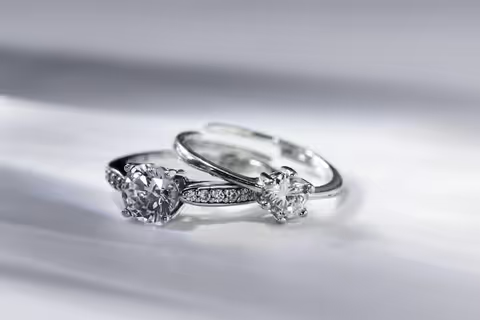
Solitaire rings feature one primary center stone with little or no additional diamond decoration. This arrangement directs attention toward the center diamond and allows its shape and proportions to remain the main visual focus.
A prong-set solitaire can expose a large portion of the diamond, while a bezel or lower-profile configuration creates a different appearance and level of protection.
Halo Platinum Rings
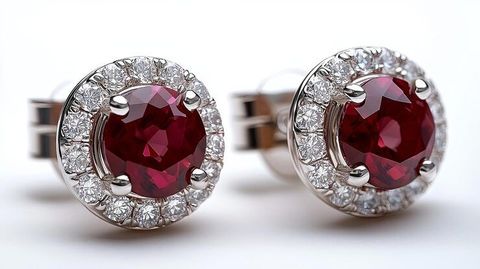
Halo designs surround a center diamond with a group of smaller stones. The surrounding diamonds create a defined border around the center and can add additional visual brightness.
The halo can be round, oval, cushion-shaped, or adapted to other center-stone outlines.
Three-Stone Platinum Rings
Three-stone designs use a central gemstone accompanied by two additional stones. The side stones can match the center shape or provide contrast.
Different proportions between the center and side stones can create distinct visual compositions.
Pavé Platinum Rings
Pavé designs place numerous small diamonds closely along the band. Small metal beads or shared structures hold the stones while maintaining a continuous diamond-covered appearance.
GIA describes pavé as a bead-setting technique in which small gemstones are placed closely together across the mounting.
Bezel Platinum Rings
A bezel setting uses a metal rim around the gemstone. This creates a smooth profile and surrounds the edge of the stone with platinum.
Compared with an open prong structure, a bezel can provide greater protection around the gemstone while allowing somewhat less exposure to light.
Prong Settings
Prongs are narrow sections of metal that extend over the edges of a gemstone to hold it in position. Four- and six-prong configurations are commonly used for round diamonds.
Fewer prongs can leave more of the gemstone visible, while additional prongs can provide additional retention. GIA notes that prong condition should be checked periodically because raised metal can experience wear during everyday use.
Cathedral Settings
Cathedral designs use raised shoulders that curve or rise toward the center stone. The structure can create a higher visual profile while providing architectural detail around the center setting.
The additional height should be considered alongside lifestyle and everyday wear because higher settings can be more exposed to contact.
Low-Profile Settings
Low-profile designs position the center stone closer to the finger. They can create a streamlined appearance and may reduce the likelihood of catching the ring on clothing or surrounding objects.
GIA notes that lower-profile settings can be appropriate for people who prefer less ornate or more secure mounting structures.
| Design Feature | Common Options | Main Effect |
|---|---|---|
| Center stone | Round, oval, cushion, emerald, pear | Defines overall appearance |
| Setting | Prong, bezel, halo, pavé | Affects security and visual style |
| Prongs | Four, six, multiple | Changes exposure and retention |
| Band | Plain, pavé, split shank | Adds structure or decoration |
| Profile | Low, medium, high | Influences height and wear |
| Finish | Polished, satin, brushed | Changes surface appearance |
| Side stones | None, two, multiple | Adds visual detail |
| Design style | Solitaire, halo, three-stone | Defines overall composition |
Recent Updates
Recent engagement-ring design has continued to expand beyond traditional solitaire arrangements. Current designs combine classic platinum construction with different diamond shapes, mixed design elements, lower profiles, geometric details, and customized band structures.
Oval and Elongated Diamond Shapes
Oval diamonds can create an elongated visual effect while maintaining a rounded outline. Other elongated shapes, including emerald, pear, and marquise cuts, provide different proportions and facet arrangements.
The center-stone shape should be considered together with the ring's setting because the mounting needs to support the stone's dimensions and outline.
Hidden Halo Details
Some platinum engagement rings incorporate small diamonds beneath or around the center setting rather than placing the entire decorative arrangement on the visible top surface.
This creates additional detail while keeping the main face of the ring relatively streamlined.
Split-Shank Designs
A split-shank band divides into two or more sections as it approaches the center stone. The structure can create negative space and provide additional locations for small diamonds.
Platinum works well with detailed metal structures when the design is engineered and finished appropriately. GIA's platinum quality-assurance resources emphasize maintaining design dimensions and engineering details during finishing.
Mixed Design Styles
Contemporary rings may combine elements from several established styles. A ring can feature a solitaire center, pavé shoulders, a hidden halo, and cathedral-style architecture within the same design.
This approach creates a layered appearance while retaining a recognizable engagement-ring structure.
Alternative Center Stones
Although diamonds remain a major choice for engagement rings, platinum settings can also accommodate sapphires and other suitable gemstones.
The gemstone's hardness, shape, dimensions, and setting requirements should be considered when designing the ring.
Diamond Colour and Platinum
Platinum's white appearance can complement colourless and near-colourless diamonds. GIA notes that platinum and white gold can emphasize the appearance of diamonds in the D-to-J colour range.
For diamonds with noticeable body colour, the interaction between the gemstone and the surrounding metal should also be considered when selecting the overall design.
Laws or Policies
Jewellery requirements depend on the country, metal composition, manufacturing location, and applicable regulations. In India, BIS currently states that gold and silver are the two precious metals brought under its hallmarking framework.
Because platinum is not listed among those two metals in the current BIS hallmarking overview, platinum engagement rings should not automatically be treated as equivalent to hallmarked gold or silver jewellery under that framework.
Platinum Identification
The composition and marking requirements applicable to platinum jewellery can depend on the relevant standard, product category, and jurisdiction. Jewellery documentation should therefore be reviewed alongside the material specifications.
Gold and Silver Components
Some platinum engagement rings can include additional gold or silver components. Where such components fall under applicable Indian hallmarking requirements, the relevant requirements should be considered separately.
Diamond Documentation
Diamond documentation can provide information about characteristics such as colour, clarity, carat weight, and cut where applicable. Laboratory reports should be kept with jewellery records when provided.
Jewellery Records
For applicable hallmarked jewellery in India, BIS guidance identifies the BIS Standard Mark, purity information, and six-digit HUID as components of hallmarked gold jewellery. HUID can be verified using the BIS Care application.
BIS also states that applicable detachable jewellery components should carry appropriate hallmark information.
Tools and Resources
Several resources can help readers understand platinum engagement rings, diamond characteristics, ring settings, and jewellery construction.
Diamond Grading Resources
Diamond grading references can explain characteristics such as colour, clarity, cut, and carat weight. These factors can influence the visual appearance of the center stone and its interaction with a platinum setting.
Ring Setting References
Setting references can help compare prong, bezel, flush, channel, tension, basket, and other mounting structures. GIA's current setting reference distinguishes between the physical method used to secure a gemstone and the broader design style of the ring.
Ring Measurement Tools
Ring gauges and sizing instruments can help establish the appropriate finger size. The ring's width and profile should also be considered because these can affect perceived fit.
Jewellery Magnification
A jeweller's loupe or microscope can be used to inspect prongs, stone alignment, surface finish, and small construction details.
Platinum Finishing Resources
Platinum jewellery requires appropriate finishing techniques. GIA's quality-assurance resources cover platinum prefinishing, dimensional control, and preservation of design details during finishing.
BIS Resources
The BIS website provides current information about hallmarking, Indian Standards, consumer guidance, and HUID verification. These resources are particularly relevant when a jewellery piece includes gold or silver components subject to the applicable Indian framework.
FAQs
What are platinum engagement rings?
Platinum engagement rings are rings made primarily from platinum and designed around a center diamond or gemstone. They can feature solitaire, halo, three-stone, pavé, bezel, cathedral, and other design styles.
What settings are used for platinum engagement rings?
Common settings include prong, bezel, pavé, channel, flush, basket, and other mounting structures. The setting determines how the center gemstone or accent stones are secured and influences the ring's appearance.
Which diamond shapes work with platinum engagement rings?
Round, oval, cushion, emerald, pear, marquise, princess, and other diamond shapes can be incorporated into platinum rings. The appropriate setting depends on the stone's dimensions and outline.
Are platinum engagement rings suitable for everyday wear?
Platinum is widely used in engagement rings because of its durability. However, everyday wear can still cause surface marks or affect small setting components, so regular inspection and appropriate care remain important.
What should be considered when selecting a platinum engagement ring?
Important considerations include diamond shape, setting structure, ring profile, band width, side stones, metal composition, diamond documentation, fit, surface finish, and applicable jewellery requirements.
Conclusion
Platinum engagement rings combine a naturally white precious metal with diverse diamond settings and design styles. Solitaire, halo, three-stone, pavé, bezel, cathedral, and low-profile arrangements can produce substantially different appearances while supporting different wear preferences. Recent designs increasingly combine classic platinum construction with elongated diamond shapes, hidden details, split shanks, and customized setting structures. When evaluating a platinum engagement ring in India, the metal composition, diamond documentation, ring construction, and applicable jewellery requirements should all be considered.