Plastic Wrapper Machine Basics: Understanding Packaging Functions and Applications
A Plastic Wrapper Machine is packaging equipment designed to surround products or groups of products with a layer of plastic film.
It is used in many packaging environments to create a protective outer layer, keep items together, reduce exposure to dust and moisture, and prepare products for storage or transportation. Understanding Plastic Wrapper Machine Basics helps explain how these machines work, what materials they use, and where they fit into modern packaging processes.
Plastic wrapping developed from the broader need to protect packaged goods during handling and movement. As plastic films became more widely used for packaging, mechanical systems were developed to apply film with greater consistency than manual wrapping. Today, machines range from relatively simple wrapping units to automated systems that can be connected with conveyors and other packaging equipment.
What Is a Plastic Wrapper Machine?
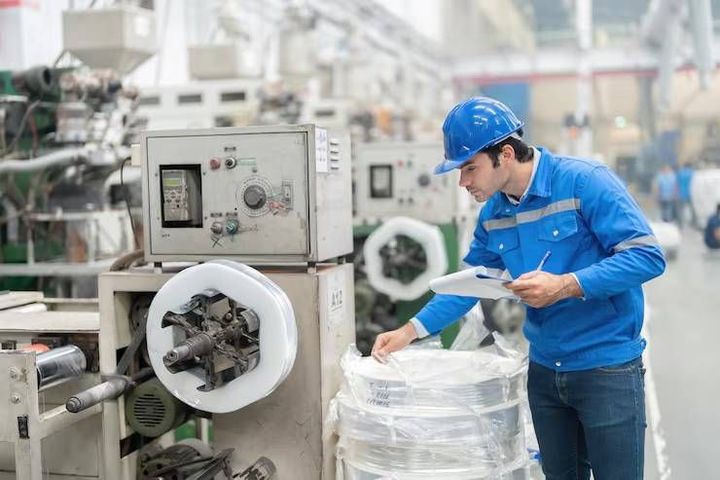
A Plastic Wrapper Machine is a mechanical system that applies plastic film around an item, bundle, tray, or load. Depending on its design, the machine may rotate the product, rotate a film holder around the product, or move the product through a wrapping area.
The film can provide containment and protection while also creating a consistent external package. Different machines are designed for different product dimensions, weights, shapes, and packaging requirements.
Main Components
Although designs vary, many machines include several common components:
- Film holder: Keeps the packaging film positioned correctly during wrapping.
- Tension mechanism: Controls how tightly the film is applied.
- Wrapping frame or turntable: Provides the movement required to surround the product.
- Cutting mechanism: Separates the film after the wrapping cycle.
- Control panel: Allows operators to adjust operating settings.
- Conveyor system: Moves products between packaging stages in automated installations.
The combination of these components determines how the machine handles different packaging tasks.
Why Plastic Wrapper Machines Matter
Packaging affects manufacturers, warehouses, retailers, transport operations, and consumers. A suitable wrapping process can help keep products grouped together and reduce exposure to environmental conditions during handling and transportation.
Plastic wrapping also has a practical role in maintaining package stability. For example, several containers can be held together as a single unit, making movement through storage areas easier. Individual products may also receive an outer film layer to reduce surface contamination or protect packaging from minor handling conditions.
Common Packaging Challenges
Manual wrapping can require repeated physical movement and may produce differences in film tension or coverage. Machine-based wrapping introduces a controlled process that can follow defined operating settings.
Common challenges addressed by wrapping equipment include:
- Keeping grouped products together
- Applying film with consistent tension
- Reducing unnecessary film movement
- Protecting packaged items from dust and handling
- Preparing uniform packages for transportation
- Managing repetitive wrapping activities
The actual result depends on the machine design, film characteristics, product shape, and operating settings.
Applications Across Industries
Plastic Wrapper Machine applications vary considerably. Food and beverage packaging may use wrapping systems for trays, cartons, and grouped containers. Manufacturing environments can use wrapping equipment for components, finished products, and prepared loads.
Other applications include household products, consumer goods, industrial materials, printed products, and warehouse loads. The appropriate wrapping method depends on whether the primary purpose is containment, surface protection, grouping, or a combination of these functions.
Recent Developments in Plastic Wrapping
From 2024 through 2026, packaging equipment has continued moving toward greater automation, process monitoring, material efficiency, and integration with connected production systems. These developments are part of a broader shift toward packaging processes that can collect operating information and coordinate with other equipment.
Automation and Process Monitoring
Modern wrapping systems increasingly incorporate programmable controls, sensors, automated film handling, and digital monitoring. These features can help operators maintain consistent wrapping cycles and identify operating conditions that require attention.
Integration with conveyors and packaging lines is another continuing trend. Instead of treating wrapping as an isolated activity, facilities can connect it with product movement, weighing, labeling, pallet handling, and other stages.
Material Efficiency
Plastic film remains an important consideration because packaging performance depends on film thickness, stretch characteristics, load requirements, and application settings. Current packaging discussions increasingly consider how to use appropriate quantities of material while maintaining the required containment and protection.
Recyclability and material selection are also receiving greater attention. Packaging decisions can involve examining film composition, collection systems, recycling compatibility, and the environmental conditions in which the package will be handled.
Data and Digital Controls
Digital controls can record operating parameters such as wrapping cycles, film usage, and machine status. Depending on the equipment, this information may be displayed through a local interface or integrated into broader production monitoring systems.
These developments can make packaging processes easier to observe and adjust, although the available functions differ substantially between machine models and installations.
Tools and Resources for Understanding Packaging
Several resources can help people understand Plastic Wrapper Machine operation and packaging requirements without needing advanced technical knowledge.
Film and Packaging Calculators
Packaging calculators can help estimate film usage based on load dimensions, film specifications, wrapping patterns, and application settings. Such calculations are estimates because actual usage can vary according to machine operation and product characteristics.
Machine Manuals and Technical Guides
Equipment manuals explain operating controls, compatible materials, maintenance procedures, safety instructions, and machine limitations. Technical guides can also help readers understand terms such as film tension, stretch ratio, wrapping cycles, and load containment.
Packaging Standards and Industry Resources
Packaging organizations and standards bodies publish information about packaging terminology, testing methods, material properties, and handling practices. These resources can provide useful background when comparing different packaging approaches or interpreting technical specifications.
Packaging Templates and Checklists
A simple packaging assessment template can record product dimensions, weight, film type, wrapping pattern, environmental conditions, and handling requirements. A checklist may also include machine settings, film alignment, package stability, and routine inspection points.
| Packaging factor | Why it matters |
|---|---|
| Product dimensions | Determines suitable wrapping space and film coverage |
| Product weight | Influences containment requirements |
| Film thickness | Affects film strength and material usage |
| Film tension | Influences how tightly the package is wrapped |
| Product shape | Affects coverage and wrapping consistency |
| Handling conditions | Helps determine the required level of protection |
| Wrapping speed | Influences packaging cycle time |
| Automation level | Determines how much of the process is mechanically controlled |
Frequently Asked Questions
What is a Plastic Wrapper Machine used for?
A Plastic Wrapper Machine applies plastic film around products, bundles, trays, or loads. Its functions can include grouping items, protecting surfaces, and improving package stability during handling and transportation.
How does a Plastic Wrapper Machine work?
The machine feeds plastic film around a product while controlling movement and film tension. Depending on the design, either the product or the film mechanism rotates during the wrapping cycle.
What types of products can a Plastic Wrapper Machine handle?
Applications can include cartons, containers, trays, components, finished goods, and larger grouped loads. The suitable machine depends on product dimensions, shape, weight, and wrapping requirements.
What factors affect Plastic Wrapper Machine performance?
Film characteristics, product shape, load weight, wrapping pattern, film tension, machine settings, and operating conditions can all affect performance. Equipment specifications should be reviewed for the intended application.
Is plastic wrapping suitable for every packaging application?
No. Packaging requirements vary according to product characteristics, transportation conditions, environmental exposure, and material considerations. Some applications may use other packaging formats instead of plastic film.
Conclusion
Plastic Wrapper Machine Basics cover the equipment, film, controls, and wrapping methods used to protect or group products during packaging and handling. Modern systems increasingly incorporate automation, digital controls, process monitoring, and attention to material efficiency. Applications range from individual products and cartons to larger grouped loads in manufacturing and logistics environments. Understanding machine functions, film characteristics, and packaging requirements provides useful context for evaluating how wrapping fits into different packaging processes.