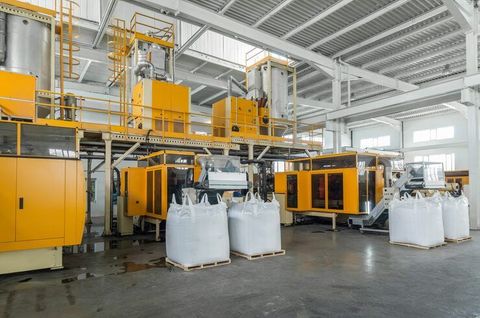
Baggage Handling System Insights into Automation and Efficiency
A baggage handling system is an automated or partly automated network used to move, identify, sort, and transport passenger luggage through an airport.
Baggage handling system insights into automation and efficiency help explain how airports manage large volumes of suitcases while coordinating flight schedules, security checks, and baggage collection. These systems connect check-in counters, screening areas, sorting facilities, aircraft loading points, and arrival carousels.
As air travel expanded, airports needed more organized ways to manage luggage from different flights and destinations. Manual handling alone became increasingly difficult in busy terminals because bags had to be moved quickly, directed accurately, and tracked throughout their journey. Conveyor belts, mechanical sorting equipment, barcode readers, and computerized control systems gradually became important parts of airport baggage operations.
Modern baggage handling systems combine physical equipment with software that determines where each bag should travel. Depending on the airport, the system may use conveyors, diverters, automated storage equipment, barcode scanners, radio-frequency identification (RFID), and tracking databases. The configuration varies according to terminal size, passenger volume, security requirements, and the layout of the airport.
Main Components of a Baggage Handling System
Several components work together to move luggage through the airport.
Check-in equipment: Receives luggage and associates each bag with passenger and flight information.
Conveyor belts: Transport bags between different processing areas.
Identification systems: Read barcode labels or RFID tags to recognize individual bags.
Sorting equipment: Directs bags toward the appropriate flight, transfer point, or handling area.
Security screening equipment: Examines checked luggage according to applicable aviation security procedures.
Control software: Coordinates equipment movement, routing decisions, and operational monitoring.
Baggage reconciliation systems: Help confirm that checked bags are associated with the appropriate flight and meet applicable loading requirements.
Arrival carousels: Deliver arriving luggage to designated passenger collection areas.
Together, these components create a connected process. If one section experiences a blockage, equipment failure, or identification problem, the disruption may affect other parts of the baggage network.
How Automation Works
Automation begins when a bag enters the handling system and its identification information is recorded. Scanners read the bag label, while control software uses flight and routing data to determine its destination. Automated diverters then direct the bag along the appropriate conveyor route.
Some airports also use automated guided vehicles, robotic equipment, or automated storage and retrieval systems. These technologies can support specific tasks, but their use depends on the facility's design and operational needs. Human operators continue to supervise exceptions, resolve identification problems, monitor equipment, and coordinate unusual situations.
Importance
Baggage handling system automation matters because airports must process luggage from many passengers and flights within limited time windows. Efficient movement helps coordinate check-in, security screening, aircraft loading, transfer connections, and baggage delivery. Delays in any of these stages can affect passengers, airline schedules, and airport operations.
A well-coordinated system also helps reduce unnecessary manual handling and improve the visibility of luggage as it moves through the terminal. However, automation does not eliminate misplaced bags, equipment failures, or operational delays. Its effectiveness depends on reliable equipment, accurate passenger and flight data, staff coordination, and appropriate maintenance.
Improving Operational Efficiency
Efficiency refers to how effectively a baggage system processes luggage while using available equipment, space, energy, and personnel. Airports evaluate several factors when assessing performance, including throughput, routing accuracy, system availability, and the time required to move bags between processing stages.
Important operational considerations include:
Throughput: The number of bags processed within a specified period.
Routing accuracy: The ability to send each bag toward the correct destination.
System availability: The proportion of time equipment remains capable of operating.
Transfer handling: The movement of luggage between connecting flights.
Recovery procedures: The ability to manage disruptions and return operations to normal.
These measures are related but not interchangeable. A system may process many bags per hour while still experiencing delays if luggage arrives too late for flight departure or requires additional manual intervention.
Passenger Experience and Baggage Security
Passengers rely on baggage systems to move their belongings from check-in to the correct destination. Accurate tracking can help airport and airline staff investigate delays and identify the last recorded location of a bag. Timely baggage delivery also reduces uncertainty for passengers arriving at their destination.
Security is another important consideration. Baggage reconciliation processes help establish whether checked luggage is associated with the relevant passenger and flight, according to applicable regulations and airline procedures. Access controls, screening systems, and tracking records support the broader process of maintaining baggage security throughout airport operations.
Common Performance Indicators
| Indicator | What it measures | Operational purpose |
|---|---|---|
| Bags processed per hour | Processing throughput | Assesses handling capacity |
| Routing accuracy | Correct destination assignment | Identifies sorting errors |
| Bag delivery time | Time between defined processing points | Evaluates baggage movement |
| Equipment availability | Time equipment is operational | Supports reliability analysis |
| Misrouted baggage rate | Bags directed to an incorrect destination | Highlights routing problems |
| Energy consumption | Electricity used by system equipment | Supports energy management |
Airport operators interpret these indicators alongside flight schedules, passenger demand, and operational conditions. Comparisons require consistent measurement methods because terminal layouts, bag sizes, screening procedures, and transfer volumes differ.
Recent Updates
Developments in baggage handling systems during 2024–2026 have continued to focus on digital tracking, automated identification, predictive maintenance, robotics, and better coordination between airport systems. Adoption varies by airport, and not every facility uses all these technologies.
RFID and Digital Baggage Tracking
Barcode scanning remains widely used for baggage identification, while RFID can provide another method of identifying tagged luggage. RFID readers can detect compatible tags without requiring the same direct visual alignment needed by conventional barcode scanners. The effectiveness of RFID depends on tag placement, reader coverage, system integration, and the airport's operating procedures.
Digital baggage tracking also connects handling information across different processing stages. When participating airlines and airports exchange compatible data, staff can gain a clearer picture of a bag's movement and investigate exceptions more efficiently. Data accuracy and consistent system integration remain important challenges.
Artificial Intelligence and Predictive Maintenance
Analytical software can examine equipment readings, historical faults, conveyor activity, and processing patterns to identify unusual conditions. Artificial intelligence may help forecast maintenance needs, detect bottlenecks, or support operational planning when reliable data is available.
Predictive systems cannot identify every failure in advance. Their accuracy depends on data quality, equipment characteristics, and appropriate interpretation by maintenance and operations teams. Routine inspections and established safety procedures remain necessary.
Robotics and Energy Management
Robotic systems are being developed and deployed for selected baggage handling tasks, including some loading, unloading, and transport activities. Their practical use depends on luggage variation, working conditions, safety requirements, and integration with existing infrastructure.
Energy management is another area of attention. Variable-speed conveyor drives, automated equipment controls, and coordinated operating schedules can help reduce unnecessary movement when baggage demand changes. Actual energy savings depend on the system configuration, operating patterns, and control strategy.
Tools and Resources
Several tools and reference materials help readers understand airport baggage automation and operational efficiency.
Simulation and Planning Software
Baggage system simulation software allows planners to model conveyor routes, baggage volumes, transfer connections, and equipment capacity. These models can help identify bottlenecks before changes are made to an airport terminal. Results depend on the accuracy of assumptions about passenger demand, flight schedules, and equipment performance.
Computer-aided design (CAD) tools are also used to plan conveyor layouts, equipment placement, maintenance access, and connections between terminal areas. Operational dashboards can combine equipment status, throughput, and fault information to help staff monitor system performance.
Industry Standards and Technical Resources
The International Air Transport Association (IATA) publishes baggage-related guidance covering operational processes and baggage information exchange. The International Civil Aviation Organization (ICAO) provides aviation security and airport-related standards and guidance within its broader aviation framework.
Other useful resources include:
Airport operator technical documents: Explain local baggage processes, terminal arrangements, and operational requirements.
Equipment manufacturer manuals: Describe conveyor controls, scanners, sorting mechanisms, and maintenance procedures.
Performance monitoring dashboards: Display system availability, processing rates, alarms, and equipment status.
Maintenance management platforms: Record inspections, equipment faults, repairs, and recurring issues.
These resources help explain how baggage systems are planned, monitored, and maintained. Specific operating procedures depend on airport requirements, applicable regulations, and equipment documentation.
FAQs
What is a baggage handling system at an airport?
A baggage handling system moves checked luggage through airport processes, including identification, security screening, sorting, aircraft loading, and arrival delivery. It combines mechanical equipment with software and operational procedures.
How does automation improve baggage handling system efficiency?
Automation coordinates bag identification, routing, and conveyor movement. It can reduce certain manual tasks and improve processing consistency, although performance still depends on equipment reliability, accurate data, and staff oversight.
What technologies are used in modern baggage handling systems?
Common technologies include conveyor belts, barcode scanners, RFID readers, sorting equipment, tracking databases, and automated controls. Some airports also use robotics, automated storage systems, and predictive maintenance software.
How is baggage handling system performance measured?
Performance can be assessed through throughput, routing accuracy, delivery time, equipment availability, and misrouted baggage rates. These indicators help identify delays and operational problems.
What causes delays in airport baggage handling systems?
Delays may result from equipment breakdowns, conveyor blockages, incorrect bag identification, security screening issues, late check-in, or disruptions to flight schedules. Coordination between airport teams and airlines helps manage these situations.
Conclusion
Baggage handling systems combine mechanical equipment, identification technology, and control software to move luggage through airport operations. Automation supports sorting accuracy, processing capacity, tracking, and coordination, while equipment reliability and staff oversight remain essential. Recent developments include RFID tracking, predictive analysis, robotics, and improved energy management. Understanding these components and performance indicators provides a clear foundation for examining how airports manage baggage efficiently and securely.