Plastic Recycling Machinery: Explore Equipment Types and Recycling Processes
Plastic Recycling Machinery refers to the equipment used to collect, sort, clean, process, and convert discarded plastic into material that can be used in manufacturing processes. These machines are designed for different plastic types, waste forms, contamination levels, and processing requirements.
Plastic waste can appear as bottles, containers, films, packaging materials, pipes, sheets, industrial scraps, agricultural films, and other products. Because these materials can differ in polymer type, color, shape, size, and contamination, recycling systems often use several machines rather than one piece of equipment.
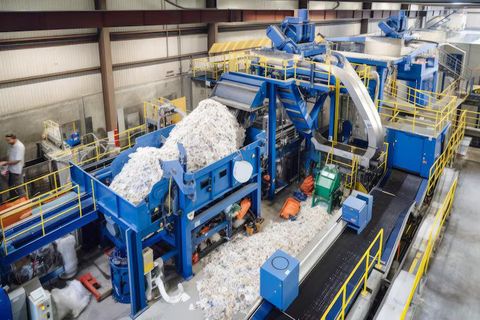
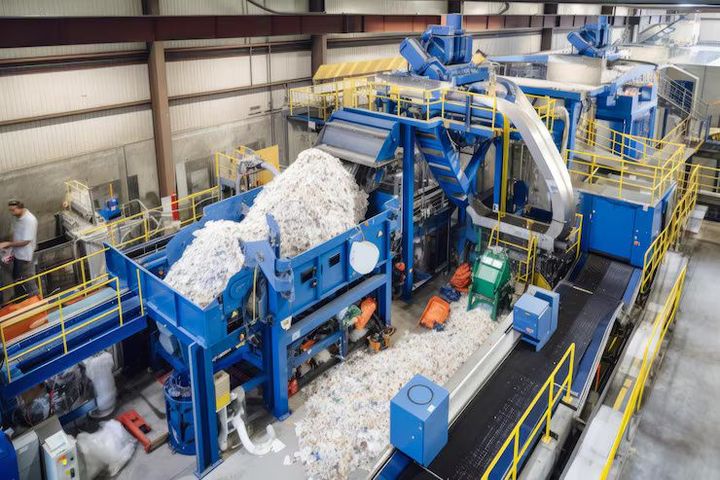
A typical recycling line may include shredders, crushers, conveyors, sorting equipment, washing systems, dryers, extruders, filtration systems, and pelletizers.
How Plastic Recycling Works
Mechanical plastic recycling generally follows several stages.
Collection: Plastic waste is gathered from households, commercial locations, industrial facilities, or collection systems.
Sorting: Materials are separated according to polymer type, color, shape, or other characteristics.
Size reduction: Shredders or crushers reduce large plastic items into smaller pieces.
Washing: Washing systems remove dirt, labels, adhesives, food residue, and other unwanted material.
Drying: Mechanical or thermal drying removes water before further processing.
Melting and filtration: Extruders melt the plastic and filter selected contaminants.
Pelletizing: Molten plastic is cut into small pellets or granules.
Quality checking: Recycled material can be assessed for properties such as moisture, contamination, color, and polymer characteristics.
Not every recycling facility uses every stage. The equipment depends on the incoming material and the intended output.
Common Types of Plastic Recycling Machinery
Shredders break larger plastic items into smaller pieces. They are often used near the beginning of a recycling line.
Crushers or granulators reduce plastic into smaller, more uniform flakes. Cutting blades rotate against fixed blades to process the material.
Sorting machines separate plastics using characteristics such as polymer type, color, shape, density, or optical properties.
Washing systems use water, mechanical action, friction, or detergents in selected applications to remove contaminants.
Dryers and dewatering systems reduce moisture after washing. Centrifugal dryers can remove surface water through high-speed rotation.
Extruders heat and melt plastic flakes before forcing the material through a controlled opening. Filtration can remove selected solid contaminants from the molten stream.
Pelletizers cut the extruded plastic into small pieces known as pellets. These pellets can become feedstock for subsequent manufacturing processes.
Importance
Reducing Plastic Waste
Plastic recycling machinery helps process discarded plastic into usable secondary raw material. Instead of sending all collected plastic directly to disposal facilities, suitable material can enter another processing cycle.
The effectiveness of recycling depends on collection systems, sorting accuracy, contamination levels, polymer compatibility, processing technology, and the quality requirements of the resulting material.
Processing Different Plastic Types
Plastics are not a single material. Common polymers include PET, HDPE, LDPE, PP, PVC, and PS, and each has different physical and chemical characteristics.
For example, PET bottles may follow a different recycling process from polyethylene film. Equipment therefore needs to be selected according to the material being processed.
Improving Material Separation
Mixed plastic waste can contain several polymer types and non-plastic materials. Sorting equipment helps separate material before further processing.
Manual sorting can be used in some facilities, while automated systems may use cameras, near-infrared sensors, magnets for associated metal removal, air classification, or other separation methods.
Supporting Circular Material Use
Recycled plastic can be converted into flakes, regrind, pellets, or other forms that may enter manufacturing processes.
The final application depends on material quality and applicable requirements. Some recycled material can be used in packaging, construction products, automotive components, household products, textiles, or other applications.
Main Equipment Categories
| Equipment | Main Function | Typical Stage |
|---|---|---|
| Shredder | Breaks large plastic items | Initial processing |
| Granulator | Produces smaller plastic pieces | Size reduction |
| Sorting machine | Separates materials | Sorting |
| Washer | Removes contaminants | Cleaning |
| Friction washer | Provides intensive mechanical cleaning | Washing |
| Dewatering unit | Removes surface water | Drying |
| Thermal dryer | Reduces remaining moisture | Drying |
| Extruder | Melts and processes plastic | Melt processing |
| Melt filter | Removes selected contaminants | Filtration |
| Pelletizer | Produces plastic pellets | Final processing |
| Conveyor | Moves material between machines | Throughout the line |
Recent Updates
Greater Use of Automated Sorting
Automated sorting is becoming more important as recycling facilities handle mixed and varied plastic streams.
Optical sorting systems can use cameras and near-infrared technologies to identify selected materials. Air jets or mechanical systems can then direct identified pieces into different collection streams.
Improved sorting can help reduce unwanted polymers and contaminants entering later processing stages.
Advanced Washing Systems
Modern washing lines can combine several cleaning stages. A system may include pre-washing, friction washing, hot washing for selected materials, rinsing, and drying.
The appropriate arrangement depends on contamination. For example, plastic contaminated with food residue or adhesives may require a different treatment sequence from relatively clean industrial production scrap.
Better Extrusion and Filtration
Recycling extruders increasingly incorporate controlled temperature zones, automatic feeding systems, melt filtration, degassing, and process monitoring.
Filtration is particularly important because small pieces of paper, aluminum, wood, or other contaminants can remain after sorting and washing.
Chemical Recycling Developments
Mechanical recycling is not the only approach being developed. Chemical and advanced recycling methods can use processes that transform selected plastics into chemical feedstocks or other intermediate materials.
These technologies have different feedstock requirements, energy needs, environmental considerations, and output characteristics. They should therefore be distinguished from conventional mechanical recycling.
India’s Plastic Waste Management Framework
India continues to develop its plastic-waste-management framework through the Ministry of Environment, Forest and Climate Change and the Central Pollution Control Board.
The Plastic Waste Management Rules, 2016 provide the underlying regulatory framework, while subsequent amendments have introduced requirements involving areas such as extended producer responsibility for plastic packaging.
The EPR framework uses registration and reporting mechanisms for relevant producers, importers, brand owners, recyclers, and other entities covered by the rules.
Digital Tracking and EPR Systems
India's plastic-waste framework increasingly uses digital registration and reporting systems. The CPCB's centralized EPR portal is used for plastic-packaging-related registration and compliance processes under the applicable framework.
Digital records can improve traceability of recycling activities and provide regulators with information about registered participants and reported quantities.
Laws or Policies
Plastic Waste Management Rules
India's Plastic Waste Management Rules, 2016 establish requirements for management of plastic waste. The framework has been amended over time, including provisions related to plastic packaging and extended producer responsibility.
The exact obligations depend on the category of entity and the type of plastic material involved.
Extended Producer Responsibility
Extended Producer Responsibility, commonly abbreviated as EPR, places specified responsibilities on producers, importers, and brand owners for managing covered plastic packaging.
The framework includes mechanisms for recycling, collection, processing, reporting, and documentation. Recyclers operating within the regulated framework may need appropriate registration and documentation through the applicable CPCB system.
Central Pollution Control Board
The Central Pollution Control Board provides technical and regulatory material concerning plastic waste management in India.
CPCB resources include guidelines, registration information, EPR-related materials, reporting mechanisms, and information connected with plastic-waste processing.
Waste Processing Facilities
Plastic recycling facilities may also need to consider requirements relating to environmental permissions, pollution control, water use, wastewater management, air emissions, occupational safety, and local regulatory approvals.
Requirements can vary according to the facility's location, capacity, processes, and environmental characteristics.
Product and Material Standards
Recycled plastic intended for particular applications may need to satisfy relevant quality or material requirements.
Packaging, food-contact applications, construction materials, automotive components, and other uses can have different specifications. Recycling equipment alone does not determine whether the resulting material is appropriate for a particular application.
Tools and Resources
Plastic Identification Systems
Plastic identification codes and polymer databases can help identify common materials such as PET, HDPE, PVC, LDPE, PP, and PS.
Correct identification is important because mixing incompatible polymers can affect the properties of recycled material.
Sorting Equipment
Optical sorting systems can identify selected polymers or colors. Density separation can also be used for certain plastic mixtures because different materials behave differently in water or other separation systems.
Moisture Measurement
Moisture analyzers can measure the water content of recycled plastic before extrusion. Excess moisture can affect processing and may create quality problems in selected polymers.
Melt Flow Testing
Melt flow testing is commonly used to evaluate how certain thermoplastic materials flow under specified conditions. It can provide useful information when comparing recycled material batches.
Extrusion Monitoring
Temperature sensors, pressure sensors, screw-speed monitoring, and melt-pressure measurements can help operators monitor an extrusion process.
Stable process conditions can support more consistent output, although the required settings differ according to polymer and equipment configuration.
Government and Technical Resources
The CPCB provides information concerning plastic waste management, EPR requirements, registration, and related regulatory materials. The Ministry of Environment, Forest and Climate Change provides notifications and policy documents relating to plastic-waste rules.
Technical standards, machine manuals, polymer specifications, laboratory testing procedures, and material-safety documentation can also support recycling operations.
FAQs
What is Plastic Recycling Machinery?
Plastic Recycling Machinery includes equipment used to sort, size-reduce, wash, dry, melt, filter, and pelletize discarded plastic for further material use.
What machines are used in plastic recycling?
Common equipment includes shredders, granulators, sorting machines, washing systems, dewatering units, dryers, extruders, melt filters, pelletizers, conveyors, and material-handling systems.
How does a plastic recycling machine work?
There is no single plastic recycling machine for every material. A recycling line normally uses several machines that perform different stages, from size reduction and sorting to washing, drying, melting, filtration, and pelletizing.
What plastics can be recycled using recycling machinery?
Equipment can process materials such as PET, HDPE, LDPE, PP, and other thermoplastics when the machinery is designed for those materials. The appropriate process depends on polymer type, contamination, physical form, and intended output.
What is a plastic recycling extruder?
A plastic recycling extruder is a machine that heats plastic flakes or regrind until they become molten and then pushes the material through a controlled opening. Filtration and pelletizing can follow extrusion.
Conclusion
Plastic Recycling Machinery combines mechanical, thermal, sorting, washing, and material-processing technologies to convert suitable plastic waste into reusable forms. Shredders, granulators, sorting systems, washers, dryers, extruders, filters, and pelletizers each perform different roles within a recycling line. Recent developments include automated sorting, improved process monitoring, advanced filtration, digital traceability, and research into chemical recycling methods. In India, the Plastic Waste Management Rules and related CPCB systems provide an important regulatory framework for plastic-waste processing and recycling activities.