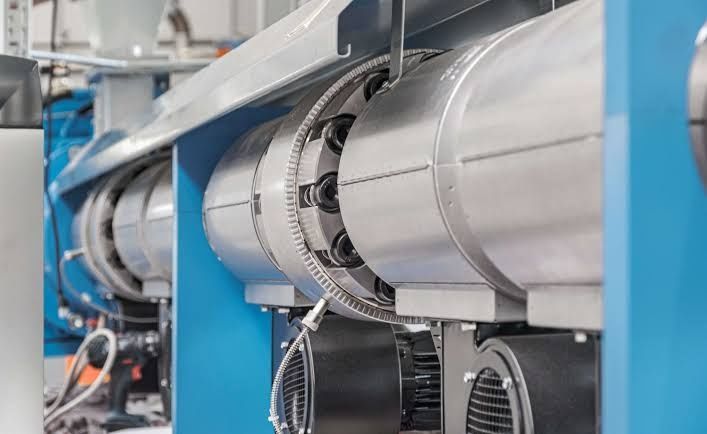
Plastic Extrusion Machine Guide to Modern Plastic Processing Methods
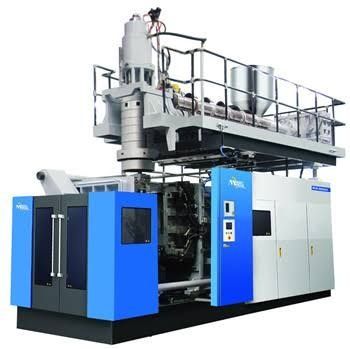
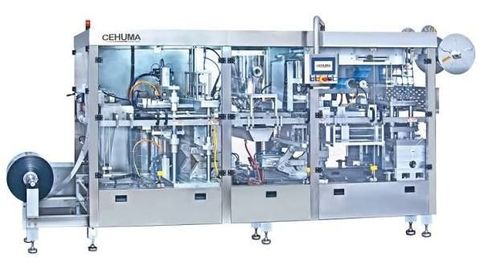
A plastic extrusion machine is equipment used to process plastic materials into continuous shapes such as pipes, sheets, films, profiles, and tubing.
The process involves feeding plastic material into a heated barrel, melting it, mixing it, and pushing it through a shaped opening called a die. As the material exits the die, it is cooled and formed into a continuous product.
Plastic extrusion developed as manufacturers needed practical methods for producing long plastic products with consistent shapes. Over time, plastic extrusion machines have incorporated improved heating systems, motor controls, sensors, cooling arrangements, and computerized monitoring. These developments have expanded the role of plastic extrusion equipment across packaging, construction, electrical, automotive, agriculture, and consumer-product manufacturing.
How Plastic Extrusion Works
A typical plastic extrusion machinery setup contains several major sections. Plastic pellets, granules, or other suitable feedstock enter a hopper and move toward a rotating screw inside a heated barrel.
The screw transports and mixes the material while controlled heat and mechanical movement soften it. The molten plastic then passes through a screen or filtration arrangement before reaching the die, where it takes the required shape.
After leaving the die, the product usually passes through cooling and sizing equipment. Depending on the application, the finished material may then be cut, wound, stacked, or transferred to another processing stage.
Main Types of Extrusion Equipment
Different products require different configurations of plastic processing machinery. A plastic extruder machine designed for pipe production will have different downstream equipment from a system intended for flat sheets.
Common configurations include:
- Plastic pipe extrusion machine for producing pipes and tubes.
- Plastic sheet extrusion machine for continuous flat sheets.
- Plastic profile extrusion machine for products with fixed cross-sectional shapes.
- Film extrusion systems for thin plastic films.
- Compounding extrusion systems for blending polymers with additives or other materials.
An industrial plastic extruder can be configured according to material characteristics, product dimensions, production requirements, and operating conditions.
Importance
Plastic extrusion is important because many plastic products have long, continuous forms that can be produced through a controlled extrusion process. Pipes, window profiles, electrical conduits, packaging films, sheets, and protective coverings are examples of products associated with extrusion.
The technology affects manufacturers, construction activities, packaging production, infrastructure projects, and everyday products. Consistent processing is particularly important because changes in temperature, pressure, material flow, or cooling can influence the dimensions and physical characteristics of an extruded product.
Supporting Consistent Product Shapes
A plastic extrusion production line coordinates several stages of processing. The extruder controls material movement, while the die determines the basic shape and downstream equipment manages cooling, sizing, and finishing.
For example, a plastic pipe extrusion machine may use a sizing sleeve or vacuum calibration system followed by cooling tanks and a haul-off unit. A sheet system may instead use rollers to establish thickness and surface characteristics.
Material Selection and Processing
Different polymers respond differently to heat, pressure, and mechanical movement. Processing conditions therefore need to correspond with the characteristics of the material being used.
Factors that can influence extrusion include:
- Melting behavior of the polymer.
- Required processing temperature.
- Moisture content of the feed material.
- Screw design and rotation speed.
- Die geometry.
- Cooling conditions.
- Required product dimensions.
An automatic plastic extrusion machine can use sensors and control systems to monitor selected operating conditions. Automation can help coordinate repeated process steps, although equipment still requires appropriate setup, inspection, and maintenance.
Production Line Components
A complete extrusion setup can include equipment before, during, and after the main extrusion stage. The arrangement depends on the product being manufactured.
| Component | Main Function |
|---|---|
| Hopper | Feeds plastic material into the extrusion system |
| Barrel and screw | Transfers, heats, mixes, and pushes the material |
| Heater and temperature controls | Regulate processing temperatures |
| Screen or filter | Helps remove unwanted particles from the melt |
| Die | Forms the molten plastic into a desired shape |
| Cooling unit | Reduces material temperature after extrusion |
| Sizing equipment | Helps establish product dimensions |
| Haul-off unit | Pulls the product through the production line |
| Cutter or winder | Handles the finished continuous product |
Recent Updates
Modern plastic extrusion equipment increasingly incorporates digital monitoring, improved control systems, energy-management features, and automated material handling. These developments are part of a wider movement toward connected manufacturing environments.
Digital Monitoring and Automation
Automated plastic extrusion systems can use sensors to monitor temperatures, pressures, motor conditions, material flow, and other operating parameters. Data may be displayed through control interfaces so operators can observe process conditions.
Industrial extrusion production systems are also becoming more integrated with production monitoring platforms. Such integration can make it easier to record operating information and identify changes in process conditions.
Energy and Process Efficiency
Manufacturers are paying greater attention to energy use during plastic processing. Modern equipment may incorporate improved motors, heating controls, insulation, and temperature-management systems to regulate energy use during operation.
A high speed plastic extrusion machine is designed around faster material movement, but speed alone does not determine product quality. Stable melting, pressure control, cooling, and downstream handling remain important when operating at higher production rates.
Recycling and Material Reprocessing
Another area of development involves the use of recycled plastic materials in extrusion. Recycled feedstock can have different characteristics from newly produced polymer, including variations in composition, moisture, contamination, and thermal history.
Advanced plastic extrusion equipment may therefore incorporate filtration, feeding, mixing, and monitoring arrangements suited to the material being processed. Material preparation remains an important part of maintaining stable extrusion conditions.
Automation and Data Integration
Advanced industrial plastic extrusion systems increasingly connect machine controls with digital production records. These systems can collect information about operating parameters and production conditions.
AI and data-analysis technologies are also being explored for process monitoring and predictive analysis. Their role varies according to the equipment and application, and automated analysis does not eliminate the need for appropriate technical oversight.
Tools and Resources
Several resources can help users understand, plan, monitor, and document extrusion processes. The appropriate resource depends on whether the focus is material selection, machine configuration, product design, or production monitoring.
Process Planning Resources
Process diagrams and equipment-layout templates can help explain how materials move through a plastic extrusion production line. Basic calculation tools can also be used to estimate dimensions, material throughput, cooling requirements, or production rates when the necessary technical information is available.
Useful resources include:
- Extrusion process flow diagrams for understanding equipment sequences.
- Material datasheets for reviewing polymer processing characteristics.
- Product-dimension worksheets for documenting required measurements.
- Maintenance checklists for recording routine equipment inspections.
- Production logs for tracking operating conditions and output information.
Technical Learning Resources
Organizations such as ASTM International, ISO, and technical plastics associations publish standards, terminology, and educational information relevant to plastics and manufacturing. Equipment documentation can also explain specific controls, components, operating limits, and maintenance requirements.
For people learning about plastic extrusion machines, manufacturer manuals, polymer datasheets, technical textbooks, and industrial training materials can provide background information. These resources should be interpreted according to the specific material, machine configuration, and applicable production requirements.
Choosing a Machine Configuration
The appropriate configuration depends on the intended product rather than on a single machine characteristic. Important considerations can include:
- Type and properties of the plastic material.
- Product shape and dimensions.
- Required throughput.
- Temperature range.
- Die design.
- Cooling and sizing requirements.
- Level of automation.
- Available production space.
A high capacity plastic extrusion machinery setup may use multiple coordinated units for continuous production. A smaller configuration may contain fewer downstream components and support a narrower range of products.
FAQs
What is a plastic extrusion machine?
A plastic extrusion machine melts and pushes plastic material through a shaped die to produce a continuous product. The resulting material can be formed into pipes, sheets, profiles, films, and other shapes.
How does a plastic extruder machine work?
A plastic extruder machine feeds plastic into a heated barrel, where a rotating screw moves and mixes the material. The softened or molten plastic then passes through a die and enters cooling and sizing equipment.
What is a plastic pipe extrusion machine used for?
A plastic pipe extrusion machine is designed to produce continuous plastic pipes or tubing. Its production line may include a die, calibration equipment, cooling tanks, a haul-off unit, and cutting equipment.
What are automated plastic extrusion systems?
Automated plastic extrusion systems use sensors, controllers, and software to monitor and coordinate selected extrusion activities. Automation may cover temperature control, material feeding, speed regulation, alarms, and production data collection.
What factors affect plastic extrusion production?
Material properties, temperature, screw design, rotation speed, die geometry, pressure, cooling, and downstream handling can all influence extrusion. Product dimensions and the required characteristics also affect process settings.
Conclusion
Plastic extrusion machines provide a continuous method for processing polymers into pipes, sheets, profiles, films, and other products. Modern plastic extrusion equipment combines mechanical processing with temperature controls, sensors, automation, and digital monitoring. Recent developments have placed greater attention on process data, material flexibility, energy management, recycling, and connected production systems. The final extrusion configuration depends on the plastic material, product design, production requirements, and downstream processing stages.