Pipeline Pigging Equipment: Guide to Pigging Systems, Tools, and Key Details
Pipeline Pigging Equipment refers to the tools and systems used to clean, inspect, separate products, and assess the internal condition of pipelines. A pig is a device inserted into a pipeline and moved by the pressure or flow of the transported product.
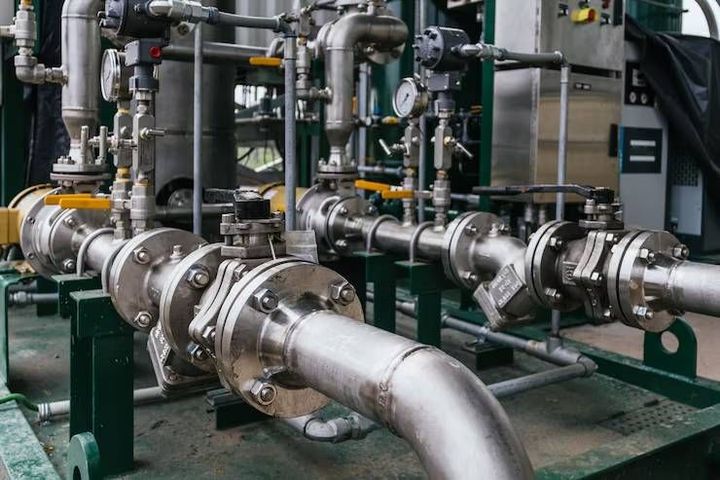
A typical pigging system contains a pig, a launcher, a receiver, valves, piping connections, monitoring devices, and related control equipment. The exact arrangement depends on the pipeline diameter, transported material, operating pressure, temperature, length, and intended pigging activity.
Pipeline pigging is used across oil, natural gas, petroleum products, water, chemicals, and other pipeline applications. Some pigs primarily remove deposits, while others collect measurements about the internal condition of the pipe.
The U.S. Pipeline and Hazardous Materials Safety Administration describes pigs as in-line tools that can support cleaning, flow management, and internal pipeline integrity inspection. It identifies cleaning pigs, gauging pigs, and more advanced in-line inspection tools among the major categories.
How a Pigging System Works
The basic process begins when a pig is placed inside a launcher. The launcher is isolated and prepared according to the operating procedure before the pig enters the pipeline.
Pressure from the flowing product then moves the pig through the pipe. During its journey, the pig can remove deposits, separate different fluids, measure pipeline characteristics, or collect inspection data.
At the other end, the pig enters a receiving trap. The receiver isolates the pig from the main pipeline flow so that it can be safely removed and examined.
Main Pigging Equipment
Pig launcher: The pressure-containing assembly used to introduce a pig into a pipeline.
Pig receiver: The equipment used to capture and remove the pig after its journey.
Pig trap: A general term covering launcher and receiver arrangements.
Pig signaler: A device that indicates when a pig passes a particular location.
Pig detector: Uses mechanical, magnetic, acoustic, or other detection methods to identify pig movement.
Pig tracking equipment: Helps determine the location and progress of a pig during its journey.
Valves and isolation equipment: Control pipeline flow and isolate the launcher or receiver during pig handling.
Pig handling equipment: Supports loading, unloading, positioning, and movement of pigs around the trap area.
Importance
Pipeline Cleaning
Deposits can accumulate inside pipelines over time. These materials may include wax, scale, sediment, liquids, corrosion products, or other debris.
Cleaning pigs use cups, discs, brushes, magnets, blades, or other components to remove selected materials from the internal pipe surface.
Regular cleaning can help maintain internal flow conditions and prepare the pipeline for inspection.
Internal Inspection
Some pigs contain sensors and electronic equipment that collect information about the pipeline wall and geometry. These are commonly called intelligent pigs, smart pigs, or in-line inspection tools.
Depending on their design, inspection tools can identify or measure characteristics such as corrosion-related wall loss, cracks, dents, gouges, and other anomalies.
Product Separation
Batching pigs can separate different liquids or products moving through the same pipeline.
For example, a pipeline carrying several petroleum products in sequence may use a separation pig to reduce mixing between batches.
Pipeline Preparation
Pigs may also be used during commissioning, hydrostatic testing, dewatering, drying, or preparation for other inspection activities.
A gauging pig can help identify restrictions or changes in the internal diameter before a more complex inspection tool is introduced.
Main Pigging Equipment Categories
| Equipment | Main Function | Typical Application |
|---|---|---|
| Cleaning pig | Removes internal deposits | Oil and gas pipelines |
| Gauging pig | Checks internal restrictions | Pipeline preparation |
| Batching pig | Separates products | Multi-product pipelines |
| Magnetic flux leakage tool | Detects selected metal-loss conditions | Integrity inspection |
| Ultrasonic tool | Measures selected wall characteristics | Inspection |
| Caliper pig | Measures internal geometry | Dent and deformation assessment |
| Foam pig | Cleaning and liquid removal | Selected pipeline systems |
| Pig launcher | Introduces pigs | Pigging operations |
| Pig receiver | Collects pigs | Pigging operations |
| Pig detector | Identifies pig passage | Pipeline monitoring |
Recent Updates
More Advanced In-Line Inspection
Pipeline integrity programs increasingly use sophisticated in-line inspection technologies capable of collecting large quantities of data during a single pipeline run.
Magnetic flux leakage, ultrasonic testing, electromagnetic technologies, inertial measurement systems, and geometry tools can be selected according to the pipeline and inspection objective.
Modern analysis techniques can combine inspection results with historical pipeline information to help identify changes over multiple inspection cycles.
Digital Pipeline Integrity
Digital systems are increasingly used to organize inspection records, operating information, repair history, geographic information, and pipeline characteristics.
Combining these datasets can help engineers compare inspection results and identify locations that require further assessment.
Improved Tracking
Long pipelines can make pig location difficult to determine, particularly when a pig becomes delayed or stops moving.
Modern tracking systems can use above-ground markers, magnetic detection, acoustic methods, satellite positioning of tracking personnel, and other technologies depending on the application.
Increased Attention to Hard-Spot Detection
Pipeline integrity programs are also examining specialized threats that may not be identified through routine inspection approaches.
In 2024, PHMSA issued an advisory bulletin concerning potential hard spots in pipeline materials and encouraged operators to consider appropriate evaluation using in-line inspection data and related analysis.
Inspection Frequency and Integrity Management
Inspection frequency varies according to pipeline type, operating conditions, regulatory requirements, threat characteristics, and integrity-management programs.
For example, current Indian natural-gas pipeline regulations published by PNGRB state that intelligent-pig inspection should occur at least once in ten years, with more frequent inspection specified for sour-gas pipelines. The same framework identifies periodic cleaning-pig activities as part of pipeline maintenance planning.
These intervals should not be treated as universal rules because requirements differ between countries and pipeline categories.
Laws or Policies
International Regulatory Frameworks
Pipeline regulations vary considerably by jurisdiction. Oil, gas, hazardous-liquid, chemical, water, and other pipelines may each fall under different technical and safety requirements.
Common regulatory themes include pipeline design, pressure control, inspection, integrity management, operating procedures, emergency response, worker safety, and recordkeeping.
United States
In the United States, PHMSA regulates major categories of gas and hazardous-liquid pipelines under federal pipeline safety regulations.
PHMSA recognizes pig launching and receiving as operational and maintenance activities subject to applicable operator qualification requirements when they meet the relevant regulatory criteria.
U.S. regulations have also addressed pipeline designs that accommodate instrumented internal inspection devices, commonly called smart pigs.
India
India's Petroleum and Natural Gas Regulatory Board establishes technical and safety requirements for natural-gas and petroleum-product pipelines.
PNGRB regulations specify requirements concerning pigging facilities, including access to pig traps, pig handling, isolation, drainage, pig direction, pipeline bends, diameter changes, internal coatings, and pig signalers.
PNGRB currently lists consolidated natural-gas pipeline and petroleum-product pipeline regulations with amendments through 2025 on its regulatory portal.
Europe and Other Regions
European pipeline operators may work under national legislation together with applicable European standards and international engineering standards.
Other regions use national pipeline regulators, petroleum authorities, gas authorities, or energy ministries to establish requirements.
Because pipeline construction and operation can cross national borders, operators may also consider international engineering standards such as ASME pipeline codes, API documents, ISO standards, and other recognized technical references.
Safety During Pigging
Pigging involves pressure, stored energy, valves, hazardous fluids, and potentially confined equipment. Launcher and receiver operations therefore require controlled procedures.
Important safety considerations can include:
Confirming pipeline pressure conditions before opening equipment.
Correctly isolating and depressurizing pig traps.
Following approved pig-launching and receiving procedures.
Checking valve positions before introducing a pig.
Monitoring pig movement where appropriate.
Using suitable protective equipment.
Controlling access around launcher and receiver areas.
Managing hazardous liquids, gases, or residues.
Maintaining accurate operating records.
The exact procedures depend on the pipeline product, design, regulatory environment, and operating organization.
Tools and Resources
Pig Selection Charts
Pig selection resources can compare pipe diameter, cleaning requirements, product characteristics, bend radius, sealing arrangements, and inspection objectives.
These references help engineers determine whether a particular pig configuration can pass through the pipeline.
Pipeline Simulation Software
Simulation tools can model pig movement, pressure changes, liquid accumulation, gas flow, and other pipeline conditions.
Such analysis can be particularly useful for long pipelines or complex pigging operations.
In-Line Inspection Data Platforms
Inspection data platforms can organize measurements from smart pigs and connect them with pipeline location information.
Engineers can compare results from different inspection runs and investigate changes over time.
Pig Tracking Systems
Tracking equipment can identify pig location during a run. This can be particularly useful when a pipeline is long, contains difficult terrain, or has limited access.
Pipeline Integrity Management Systems
Integrity-management platforms can combine inspection data, corrosion information, operating records, geographic information, repairs, and risk assessments.
These systems help create a structured record of pipeline condition and inspection history.
Technical Standards and Regulatory Portals
Regulatory websites are important resources for understanding applicable requirements. Examples include PHMSA in the United States and PNGRB in India.
Engineering organizations may also use ASME, API, ISO, ASTM, and other standards organizations when selecting technical references relevant to pipeline design, inspection, and integrity.
FAQs
What is Pipeline Pigging Equipment?
Pipeline Pigging Equipment includes pigs, launchers, receivers, valves, detectors, tracking systems, and related equipment used for pipeline cleaning, inspection, product separation, and integrity activities.
How does pipeline pigging work?
A pig is inserted into a pipeline through a launcher and moved by pipeline pressure or product flow. After traveling through the pipeline, it enters a receiver where it is isolated and removed.
What are smart pigs used for?
Smart pigs, also called intelligent pigs or in-line inspection tools, use sensors to collect information about pipeline conditions. Depending on the technology, they can identify corrosion-related metal loss, cracks, dents, gouges, and geometric changes.
What is the difference between a cleaning pig and an inspection pig?
A cleaning pig is primarily designed to remove deposits or liquids from the pipeline interior. An inspection pig contains sensors and electronics designed to collect information about pipeline condition.
Why are pig launchers and receivers important?
Launchers and receivers provide controlled locations for introducing and retrieving pigs. They also allow operators to isolate the pigging equipment from the main pipeline during handling and preparation.
Conclusion
Pipeline Pigging Equipment supports several important pipeline activities, including internal cleaning, product separation, geometry checking, and integrity inspection. Modern pigging systems increasingly combine advanced sensors, digital data analysis, tracking technologies, and sophisticated in-line inspection tools. Regulatory requirements differ across countries, but pipeline operators commonly need structured procedures for pig launching, receiving, inspection, and safety. Understanding the different pig types and supporting equipment provides a foundation for understanding how modern pipelines are monitored and maintained.