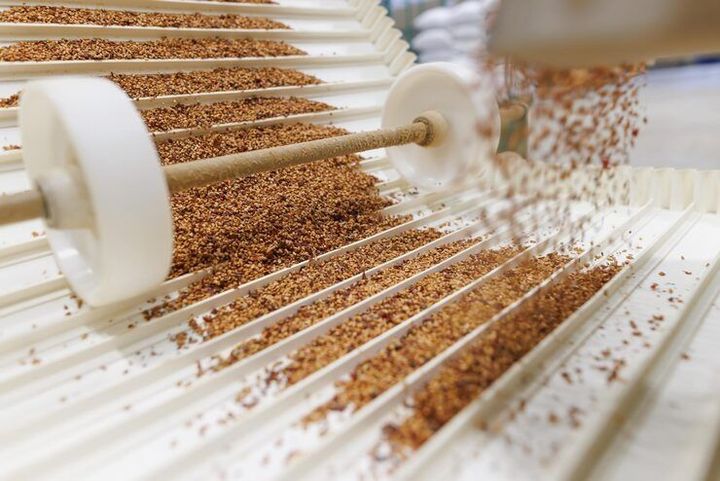
Pelletizing Lines: Explore Processes and Key Features
Pelletizing lines are integrated processing systems used to convert plastic materials into small, uniform pellets. These pellets can be used as feedstock for extrusion, injection moulding, blow moulding, compounding, and other plastic-processing operations.
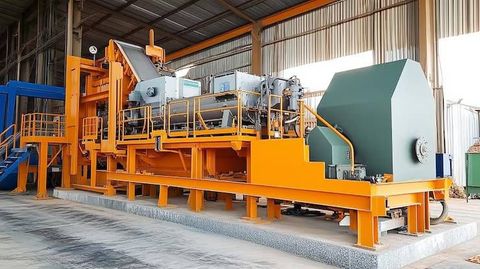
A typical pelletizing line combines several stages, including material feeding, melting, filtration, extrusion, pellet formation, cooling, drying, and collection. The exact configuration depends on the type of plastic, contamination level, required pellet quality, and intended downstream application.
Pelletizing is commonly associated with plastic recycling, but the technology is also used for virgin polymers, compounded materials, masterbatch production, and specialty formulations.
Main Components of a Pelletizing Line
A complete pelletizing system may contain the following equipment:
- Feeding system: Transfers plastic material into the processing section.
- Pre-processing equipment: May include shredders, granulators, or washing equipment for recycled materials.
- Extruder: Melts and homogenizes the plastic before pellet formation.
- Screw system: Moves and processes the molten polymer through the barrel.
- Melt filtration unit: Removes selected contaminants and unwanted particles.
- Die head: Forms the molten polymer into strands or other suitable shapes.
- Pelletizer: Cuts the extruded material into pellets.
- Cooling system: Reduces the temperature of newly formed pellets.
- Drying system: Removes surface moisture where required.
- Pellet collection system: Transfers the finished pellets for storage or further processing.
The arrangement can vary considerably between recycling, compounding, and virgin-polymer applications.
Basic Pelletizing Process
The process begins with material preparation. Plastic feedstock may arrive as flakes, scrap, reprocessed material, or other forms suitable for the selected line.
The material enters the extruder, where heat and mechanical energy soften or melt the polymer. The screw transports the molten material while helping to mix and homogenize it.
Before extrusion through the die, the melt can pass through a filtration stage. This stage is particularly important when recycled feedstock contains paper, aluminium, dirt, unmelted polymer, or other contaminants.
The molten polymer exits through the die and is then converted into pellets. Depending on the system design, pellet formation may occur through strand cutting, water-ring cutting, or underwater cutting.
Types of Pelletizing Lines
Different pelletizing technologies are selected for different materials and process requirements.
Strand pelletizing lines extrude polymer strands that are cooled and subsequently cut into pellets. They are commonly used where stable strand formation and controlled pellet dimensions are required.
Water-ring pelletizing systems cut molten polymer close to the die and use circulating water to cool and transport the pellets.
Underwater pelletizing lines perform cutting and cooling in a water-filled chamber. This arrangement can support continuous pellet formation and is used in various polymer-processing applications.
Recycling pelletizing lines are designed to process recovered plastic materials. They may integrate shredding, granulation, washing, drying, filtration, degassing, extrusion, and pelletizing.
Compounding pelletizing lines are configured for materials that require controlled mixing of polymers, additives, fillers, or reinforcing materials before pellet formation.
Importance
Pelletizing lines are important because they transform plastic materials into a standardized form that can be transported, stored, measured, and processed in subsequent manufacturing operations.
Consistent Material Form
Pellets provide a relatively uniform feed format for many plastic-processing machines. Consistent dimensions and material characteristics can support stable feeding during extrusion and moulding operations.
Recycling Applications
In recycling operations, pelletizing can be an important stage after sorting, size reduction, washing, and drying. The process converts suitable recycled plastic into pellets that can be directed toward additional polymer-processing stages.
The quality of recycled pellets depends on several factors, including source material, sorting, contamination, moisture, thermal history, filtration, and extrusion conditions.
Melt Filtration
Melt filtration is an important part of many recycling pelletizing lines. Recovered plastic can contain contaminants that may affect downstream processing.
Filtration systems can use screen changers, continuous filters, or other technologies appropriate to the material and contamination level.
Degassing
Some recycled materials can contain moisture, volatile substances, or trapped gases. Vacuum degassing sections in an extruder can help remove selected volatile components during processing.
This can be particularly relevant when processing materials that have absorbed moisture or contain residual volatile substances.
Process Control
Pelletizing involves several interconnected parameters. Temperature, screw speed, pressure, feed rate, filtration conditions, cooling, and cutting speed can all influence the resulting pellets.
| Process Element | Main Function | Key Consideration |
|---|---|---|
| Feeder | Controls material input | Stable feeding |
| Extruder | Melts and transports polymer | Temperature and screw conditions |
| Filter | Removes selected contaminants | Filtration capacity |
| Die | Forms molten polymer | Die configuration |
| Cutter | Creates pellets | Pellet dimensions |
| Cooling | Reduces pellet temperature | Water or air conditions |
| Dryer | Reduces surface moisture | Material requirements |
| Collection | Handles finished pellets | Consistent material flow |
Recent Updates
Pelletizing technology is evolving alongside developments in recycling, automation, filtration, energy efficiency, and circular plastic production.
Advanced Recycling Pelletizing
Recycling lines increasingly focus on processing mixed or contaminated plastic streams. Improved sorting, washing, drying, filtration, and extrusion technologies can help prepare recovered materials for pellet production.
The suitability of a process depends strongly on polymer type and contamination characteristics.
Improved Melt Filtration
Continuous filtration technologies are receiving greater attention in recycling applications because they can help maintain material flow while removing selected contaminants.
Automated screen-changing and filtration systems can reduce the need for frequent manual intervention and help maintain more stable processing conditions.
Digital Process Monitoring
Sensors and control systems can monitor parameters such as melt pressure, temperature, motor load, screw speed, throughput, and filtration conditions.
Data from these systems can be used to identify changes in process conditions and support more consistent operation.
Energy-Efficient Extrusion
Extrusion is one of the major energy-consuming stages in many pelletizing lines. Equipment designers increasingly consider motor efficiency, drive technology, barrel heating, insulation, cooling, and process optimization.
Energy performance should be evaluated across the complete line rather than by examining one component alone.
Greater Automation
Automated feeding, filtration, pellet cutting, drying, conveying, and packaging can reduce manual handling between process stages.
Automation also enables more coordinated control between individual machines, helping maintain a continuous material flow.
Circular Plastic Production
The expansion of circular-economy initiatives is increasing interest in mechanical recycling and the production of recycled polymer feedstocks. Pelletizing remains an important technology for converting suitable recycled plastics into standardized forms for further processing.
Laws or Policies
In India, plastic pelletizing operations can fall within the broader regulatory framework governing plastic waste management, recycling, pollution control, and environmental compliance.
The Plastic Waste Management Rules, 2016, together with subsequent amendments, establish requirements related to plastic waste management. The framework has been updated through additional notifications, including amendments issued in 2024, 2025, and 2026.
The Central Pollution Control Board maintains resources concerning plastic-waste management and Extended Producer Responsibility. Applicable requirements can include registration, record keeping, reporting, and documentation for relevant plastic-waste processors.
For recycling facilities, the registration and EPR framework is particularly relevant when recovered plastic is processed into recycled material. Requirements can depend on the type of activity, material category, facility location, and applicable permissions.
Important areas to examine include:
- Plastic Waste Management Rules and amendments
- CPCB requirements for plastic-waste processors
- State Pollution Control Board requirements
- Extended Producer Responsibility provisions
- Environmental permissions applicable to the facility
- Waste-handling and record-keeping requirements
- Applicable workplace and machinery-safety provisions
- Current environmental notifications and guidelines
Because regulations can change, facilities should refer to the latest CPCB, Ministry of Environment, Forest and Climate Change, and State Pollution Control Board requirements applicable to their operations.
Tools and Resources
Understanding pelletizing lines requires knowledge of polymer processing, extrusion, material preparation, and recycling technologies.
Technical Areas to Study
Useful areas include:
- Polymer processing fundamentals
- Plastic extrusion
- Screw design
- Polymer melting and mixing
- Melt filtration
- Vacuum degassing
- Die design
- Strand pelletizing
- Water-ring pelletizing
- Underwater pelletizing
- Cooling and drying
- Pellet-size control
- Process automation
- Recycling-line integration
Process Evaluation
When examining a pelletizing line, several technical questions can help determine whether its configuration is appropriate:
- What polymer will be processed?
- Is the feedstock virgin, post-industrial, or post-consumer material?
- What level of contamination is expected?
- Is washing required before extrusion?
- What moisture level is expected?
- Is degassing necessary?
- What filtration arrangement is appropriate?
- What pellet dimensions are required?
- What throughput range is needed?
- What downstream application will use the pellets?
Regulatory Resources
CPCB publications and the applicable State Pollution Control Board resources can help organizations understand plastic-waste requirements and documentation.
Technical standards and polymer-processing references can also help explain material properties, extrusion conditions, filtration, pellet quality, and process control.
FAQs
1. What is a pelletizing line?
A pelletizing line is an integrated plastic-processing system that converts polymer material into small, relatively uniform pellets through stages such as extrusion, filtration, cooling, cutting, drying, and collection.
2. How does a plastic pelletizing line work?
Plastic material is fed into an extruder, where it is heated, melted, mixed, and transported. The molten polymer passes through a die and is then cut and cooled to form pellets.
3. What are the main types of pelletizing systems?
Common configurations include strand pelletizing, water-ring pelletizing, and underwater pelletizing. Recycling and compounding lines may use different configurations according to their material and process requirements.
4. Why is melt filtration important in recycling pelletizing?
Melt filtration can remove selected solid contaminants from molten recycled plastic before pellet formation. This can help protect downstream processing and support more consistent recycled material.
5. What factors affect pellet quality?
Pellet quality can be influenced by polymer type, feedstock cleanliness, moisture, extrusion temperature, screw speed, melt pressure, filtration, die design, cutting conditions, cooling, and drying.
Conclusion
Pelletizing lines combine extrusion, filtration, cutting, cooling, drying, and material-handling technologies to convert plastic feedstock into standardized pellets. Their configuration varies according to polymer type, feedstock characteristics, contamination, pellet dimensions, and downstream processing requirements. Recent developments are increasingly focused on automation, improved filtration, digital monitoring, energy efficiency, and recycling-line integration. Understanding these processes and key features provides a useful foundation for evaluating modern pelletizing technology.