Next-Generation Firewalls: Explore Advanced Network Security and Traffic Monitoring
Next-Generation Firewalls combine traditional firewall controls with advanced methods for examining network traffic, applications, users, and potential security events. They are used across enterprise and cloud-connected environments to manage network access and monitor communications. This topic covers their role, core capabilities, recent developments, security policies, monitoring tools, and practical considerations.
Next-Generation Firewalls: Explore Advanced Network Security and Traffic Monitoring
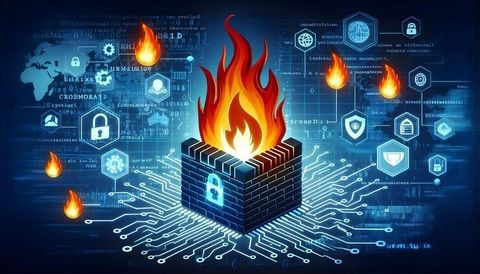
Next-Generation Firewalls are network security platforms designed to provide deeper traffic inspection and more detailed access control than traditional packet-filtering firewalls. They can examine network connections while also considering applications, users, content, and security events.
Traditional firewalls generally make decisions using information such as source and destination addresses, ports, and protocols. Next-generation firewalls can add capabilities such as application awareness, intrusion prevention, encrypted traffic inspection, centralized policy management, and threat monitoring.
They are commonly used in enterprise networks, data centers, branch environments, cloud-connected infrastructure, and hybrid technology architectures. Their role has also expanded as organizations connect users, applications, devices, remote locations, and cloud platforms through increasingly complex networks.
Context
A firewall acts as a control point between network environments. It evaluates traffic according to configured policies and determines whether particular communications should be permitted, blocked, inspected, or logged.
Next-generation firewalls extend this concept by examining more information about network traffic. Instead of relying only on addresses and ports, they can identify applications and use additional security information when making policy decisions.
Core Functions
Common capabilities associated with Next-Generation Firewalls include:
Stateful traffic inspection
Application identification and control
Intrusion prevention
User-based access policies
URL and content filtering
Malware and threat detection
Network segmentation
Encrypted traffic inspection
Centralized logging
Security event monitoring
Virtual private network connectivity
The exact capabilities vary between firewall platforms and deployment models.
How Traffic Is Examined
When traffic passes through a firewall, the system evaluates information associated with the connection. Depending on its configuration, it may inspect packet information, application characteristics, user identity, content, and threat indicators.
A simplified process can be represented as:
Network Traffic → Policy Evaluation → Inspection → Security Analysis → Allow, Block, or Log
More advanced environments can add additional analysis and automated responses.
Deployment Models
Next-generation firewalls can be deployed in several ways.
| Deployment | Typical Environment | Main Consideration |
|---|---|---|
| Physical appliance | Data centers and enterprise networks | Hardware capacity |
| Virtual firewall | Virtualized infrastructure | Software and resource allocation |
| Cloud firewall | Cloud environments | Distributed traffic control |
| Branch firewall | Remote offices | Connectivity and centralized management |
| Hybrid deployment | Mixed environments | Consistent policy management |
Organizations may use multiple deployment models when their infrastructure spans on-premises facilities, branch locations, and cloud platforms.
Importance
Next-generation firewalls are important because modern networks carry many different types of traffic. A simple address-and-port rule may not provide enough context to distinguish between legitimate application activity and potentially unwanted communication.
Application Awareness
Application awareness allows security policies to consider the application associated with network traffic. This can provide more precise control than relying only on port numbers.
For example, an organization may create different access policies for business applications, collaboration platforms, administrative tools, and other application categories.
Intrusion Prevention
Many Next-Generation Firewalls include intrusion prevention capabilities. These systems inspect traffic for patterns associated with known attacks or suspicious activity.
Detection rules can help identify attempts to exploit vulnerabilities, unusual traffic behavior, or other network threats. Security teams can review alerts and adjust policies as required.
User-Based Policies
Integrating firewall platforms with identity systems can allow policies to consider users or user groups. This can provide more context when determining access to particular applications or network resources.
Identity-based policies can be especially useful in environments where users connect from multiple locations and devices.
Network Segmentation
Firewalls can help separate networks according to their functions and security requirements. For example, organizations may maintain separate network zones for users, servers, guest devices, operational technology, and sensitive applications.
Segmentation can reduce unnecessary communication between systems and help limit the potential spread of a security incident.
Centralized Visibility
Firewall logs can provide information about network connections, blocked traffic, application activity, and security events. Centralized monitoring can help security teams identify patterns across multiple network locations.
Logs can also support incident investigation, troubleshooting, and security reporting.
Recent Updates
Next-Generation Firewalls continue to develop alongside cloud computing, encrypted communications, remote connectivity, and increasingly distributed networks. Recent developments from 2024 through 2026 have emphasized centralized management, automation, cloud integration, and broader security visibility.
Cloud and Hybrid Integration
Organizations increasingly operate across multiple environments. Next-generation firewall capabilities are therefore being integrated with cloud networks, virtual infrastructure, software-defined networking, and distributed applications.
This requires policies to work consistently across different network locations while accounting for changing workloads and connectivity patterns.
Automated Threat Analysis
Modern firewall platforms increasingly incorporate automated analysis to help identify suspicious traffic and prioritize security events. Automation can assist with alert processing and policy management, although security teams still need to validate important decisions.
Integration With Security Platforms
Firewalls can exchange information with other security technologies, including security information and event management platforms, endpoint security systems, identity platforms, and security orchestration tools.
Integration can create a broader view of security activity and help connect network events with activity observed elsewhere.
Encrypted Traffic Inspection
Encryption protects communications from unauthorized observation, but it can also make security inspection more difficult. Some firewall platforms provide mechanisms for inspecting encrypted traffic under controlled organizational policies.
This capability needs careful planning because inspection can affect performance, privacy, certificate management, and application compatibility.
Zero Trust Alignment
Next-generation firewall policies can support Zero Trust approaches by enforcing more specific controls around users, applications, devices, and network segments.
Rather than treating an internal network as automatically trusted, security policies can require authentication and authorization based on defined access requirements.
Improved Management Interfaces
Centralized management has become increasingly important for organizations operating multiple firewalls. Central management platforms can help administrators maintain consistent policies, review configurations, collect logs, and coordinate changes across distributed environments.
Laws or Policies
Next-generation firewall deployment can be influenced by cybersecurity regulations, privacy requirements, industry standards, contractual obligations, and internal security policies. The specific requirements depend on the organization, location, sector, and type of information being processed.
Firewalls themselves do not automatically establish legal or regulatory compliance. They are one component within a broader security and governance program.
Access Control Policies
Organizations can establish written policies defining:
Which network connections are permitted
Which applications require additional controls
Which users or groups can access particular resources
How administrative access is protected
How firewall rules are reviewed
How security events are recorded
How exceptions are approved
Logging and Monitoring Policies
Firewall logs can contain information about users, devices, addresses, applications, and network activity. Organizations should establish appropriate retention, access, protection, and review procedures for these records.
Where privacy requirements apply, monitoring practices should be designed according to applicable legal and organizational requirements.
Change Management
Firewall rules can affect network availability and security. Formal change-management processes can help ensure that rule modifications are documented, reviewed, tested, and approved before implementation.
Periodic rule reviews can also help identify outdated, overly broad, or unnecessary access policies.
Tools and Resources
Several supporting technologies can work alongside Next-Generation Firewalls to improve visibility and network security.
Security Information and Event Management
Security information and event management platforms can collect firewall logs along with information from endpoints, servers, applications, and other security systems.
Centralized analysis can help identify related events that may not be obvious from a single firewall.
Network Monitoring
Network monitoring tools can provide information about traffic volumes, connectivity, latency, device status, and network performance. Combining operational monitoring with firewall events can help distinguish security incidents from ordinary network problems.
Vulnerability Management
Vulnerability assessment tools can identify weaknesses in network-connected systems. Firewall policies can then be considered as part of a broader risk-management approach.
Identity Management
Identity and access management platforms can provide user and group information that supports identity-aware firewall policies. Strong authentication can further reduce risks associated with unauthorized access.
Configuration Management
Configuration management tools and documented procedures can help administrators track firewall settings. Maintaining consistent configurations is particularly important when organizations operate multiple firewall instances.
Documentation
Useful documentation can include:
Network architecture diagrams
Firewall rule inventories
Application dependencies
Access-control policies
Change records
Incident-response procedures
Log-retention requirements
Administrative access records
Good documentation supports security reviews, troubleshooting, and controlled infrastructure changes.
FAQs
What are Next-Generation Firewalls?
Next-Generation Firewalls are advanced network security platforms that combine traditional traffic control with capabilities such as application awareness, intrusion prevention, user-based policies, and deeper traffic inspection.
How do Next-Generation Firewalls monitor network traffic?
Next-Generation Firewalls can examine connection information along with application characteristics, users, content, and security indicators, depending on the platform and configuration.
What is the difference between traditional and Next-Generation Firewalls?
Traditional firewalls commonly focus on network addresses, ports, and connection states. Next-generation platforms add deeper inspection and security capabilities such as application control and intrusion prevention.
Can Next-Generation Firewalls support cloud environments?
Yes. Many Next-Generation Firewalls are available as physical appliances, virtual platforms, and cloud-based deployments, allowing organizations to apply security controls across different infrastructure environments.
Why is traffic monitoring important for Next-Generation Firewalls?
Traffic monitoring provides visibility into network communications and can help security teams identify unusual activity, investigate events, review access patterns, and maintain network security policies.
Conclusion
Next-Generation Firewalls provide a broader approach to network traffic control by combining traditional firewall functions with application awareness, deeper inspection, intrusion prevention, identity-based policies, and security monitoring.
Their role has expanded as organizations adopt cloud platforms, hybrid infrastructure, remote connectivity, encrypted communications, and distributed applications. Effective deployment requires appropriate policies, regular configuration reviews, monitoring, documentation, and integration with other security controls.
A firewall is only one part of a wider cybersecurity architecture. Its effectiveness depends on how policies are designed, how traffic is monitored, how systems are maintained, and how network security controls work together across the organization.