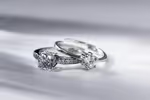
Minimalist Engagement Rings: Insights Into Clean Designs and Contemporary Bridal Styles
Minimalist engagement rings emphasize clean lines, simple settings, refined proportions, and understated diamond designs. Explore solitaire rings, slim bands, bezel settings, modern diamond shapes, metal choices, and contemporary bridal jewellery trends.
Minimalist Engagement Rings: Insights Into Clean Designs and Contemporary Bridal Styles
Context
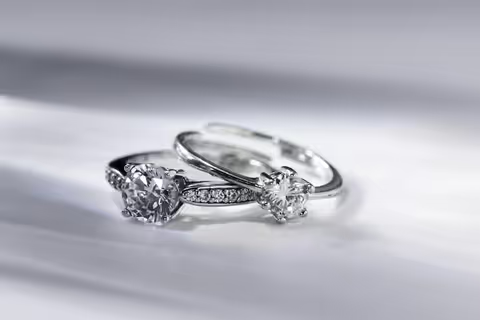
Minimalist engagement rings focus on simplicity, clean proportions, restrained detailing, and a clear visual emphasis on the centre gemstone. Rather than relying on elaborate ornamentation, these designs often use a simple band, carefully selected setting, and one central diamond or gemstone.
Minimalist jewellery can take many forms. A ring may feature a traditional round diamond in a simple solitaire setting, an elongated oval or emerald cut, a low-profile bezel, or a slim band with subtle pavé detailing. The overall appearance depends on the relationship between the gemstone, setting, metal, proportions, and surface finish.
GIA's current guidance on engagement-ring settings distinguishes between the way a gemstone is physically secured and the overall arrangement of stones. This distinction is useful when evaluating minimalist designs because a simple setting can be combined with several different overall ring styles. (gia.edu)
What Are Minimalist Engagement Rings?
Minimalist engagement rings are designs that emphasize a limited number of visual elements. They often feature a centre stone, a relatively simple band, and a setting designed to keep attention on the gemstone.
The minimalist approach does not necessarily mean that every ring must be extremely thin or completely plain. Contemporary designs can include subtle textures, small side stones, mixed metals, geometric details, or carefully shaped bands while maintaining a restrained overall appearance.
Main Characteristics
Common characteristics of minimalist engagement rings include:
Simple silhouettes
Clean band profiles
Solitaire centre stones
Slim or moderate-width bands
Four- or six-prong settings
Bezel settings
Low-profile structures
Subtle pavé details
Geometric diamond shapes
Limited decorative elements
Plain or lightly textured metal surfaces
Minimalist and Contemporary Styles
Minimalist design is closely associated with contemporary jewellery because clean geometry and reduced decoration can create a modern visual language.
However, minimalist rings can also incorporate traditional elements. A round brilliant diamond in a simple six-prong setting, for example, can have a classic appearance while maintaining the visual restraint associated with minimalist design.
Importance
Minimalist engagement rings are significant because their simple structure places greater emphasis on the centre gemstone, proportions, craftsmanship, and overall balance of the ring.
Reducing decorative elements can also make individual details more noticeable.
Solitaire Settings
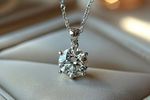
A solitaire ring generally features one central gemstone with little or no additional stone decoration. GIA describes the solitaire style as a design that places visual emphasis on the centre stone. (gia.edu)
Solitaire settings can use round, oval, emerald, cushion, pear, marquise, radiant, or other diamond shapes.
The simplicity of the band allows the diamond's outline and facet arrangement to become the main visual feature.
Four-Prong Settings
Four-prong settings use four points of contact to hold the centre stone.
They can create an open appearance because less metal surrounds the gemstone. GIA notes that four-prong settings can expose more of a round diamond while subtly influencing how its shape is perceived. (gia.edu)
Four-prong arrangements are therefore commonly associated with clean and minimal ring designs.
Six-Prong Settings
Six-prong settings use six points around the centre gemstone.
They can create a more traditional appearance and visually reinforce a round stone's circular outline. The additional metal also changes the visual balance of the setting compared with a four-prong structure.
Bezel Settings
A bezel setting surrounds the edge of a gemstone with metal.
This produces a smooth, continuous outline and can create a particularly clean visual appearance. GIA identifies bezel settings as one of the established ways of securing a gemstone within an engagement ring. (gia.edu)
Bezel settings can work with round, oval, emerald, pear, and other diamond shapes.
Low-Profile Designs
A low-profile ring places the centre gemstone closer to the finger.
This can create a streamlined appearance and may reduce the amount of exposed structure above the band. The exact height depends on the gemstone, setting construction, band design, and intended use.
Slim Bands
Slim bands are frequently associated with minimalist engagement rings.
A narrower band can create a delicate visual relationship with the centre stone. However, band dimensions need to remain appropriate for the setting and intended wear because extremely delicate structures can require additional engineering considerations.
Subtle Pavé Details
Pavé settings incorporate small gemstones along part of the band.
A minimalist ring can use a limited pavé section rather than covering the entire band. This adds additional detail while preserving a relatively clean overall appearance.
Plain Metal Bands
A plain band removes additional stones and decorative elements from the ring.
This approach allows the centre diamond to remain the main visual focus and can work particularly well with distinctive diamond shapes.
| Design Element | Common Minimalist Direction | Visual Effect |
|---|---|---|
| Centre stone | Single diamond | Strong focal point |
| Band | Slim or moderate profile | Clean silhouette |
| Setting | Prong or bezel | Controlled framing |
| Side stones | None or subtle pavé | Reduced visual complexity |
| Metal | Platinum, white, yellow, or rose gold | Defines overall tone |
| Diamond shape | Round, oval, emerald, pear | Changes ring character |
| Finish | Polished or lightly textured | Adds surface definition |
Recent Updates
Minimalist jewellery continues to evolve as contemporary bridal styles place greater emphasis on individual expression, clean forms, unusual stone orientations, and combinations of classic and modern elements.
Continued Interest in Clean Designs
Current jewellery coverage shows that minimalist aesthetics remain part of the broader conversation around contemporary jewellery, even as other 2026 trends emphasize more expressive and statement-oriented accessories. The broader trend landscape includes both restrained and highly individual jewellery directions. (vogue.com)
This allows minimalist engagement rings to develop alongside more elaborate styles rather than existing as a single fixed aesthetic.
Oval Diamond Solitaires
Oval diamonds are frequently incorporated into streamlined engagement-ring designs because their elongated outline can create a distinctive centre-stone silhouette without requiring extensive surrounding decoration.
GIA notes that elongated diamond shapes can influence perceived size and that the shape should be considered together with its proportions and cut characteristics. (gia.edu)
Emerald Cut Minimalism
Emerald cut diamonds can work particularly well with minimalist designs because their rectangular outline and step-cut facet arrangement already provide a strong geometric identity.
A plain band or simple four-prong setting can allow the stone's shape and broad facets to remain the primary design feature.
East-West Orientations
East-west settings position an elongated diamond horizontally across the finger.
This approach can give a minimalist ring a contemporary visual direction without adding additional decorative elements.
Oval, emerald, marquise, and other elongated shapes can be adapted to this orientation.
Bezel Minimalism
Contemporary minimalist designs increasingly use smooth bezel structures to create uninterrupted visual lines around the centre stone.
A bezel can frame the diamond with a continuous metal border, producing a structured appearance that works particularly well with geometric or elongated shapes.
Sculptural Minimalism
Minimalist design does not always mean completely plain jewellery.
Sculptural bands can use curved profiles, asymmetric structures, subtle twists, or architectural shapes while maintaining a controlled number of visual elements.
This approach allows the ring to remain relatively simple while giving the band its own design identity.
Mixed-Metal Details
Using two metal colours can introduce contrast without adding additional gemstones.
A ring may combine a light-coloured setting with a warmer-toned band, or use a small contrasting element around the centre stone.
Minimalist Bridal Stacking
Minimalist engagement rings can also be designed with future stacking in mind.
A simple band can be paired visually with a wedding band or additional slim ring. The relationship between ring widths, curves, stone height, and metal colour can influence how the pieces appear together.
Personalization
Contemporary jewellery design increasingly emphasizes individual preferences and personal expression.
Minimalist rings can accommodate personalization through diamond shape, metal colour, band profile, engraving, stone orientation, or small design details without significantly increasing visual complexity.
Laws or Policies
Engagement rings involve considerations related to gemstone identification, precious-metal standards, product descriptions, documentation, and applicable jewellery regulations.
Diamond Identification
Diamond reports can document characteristics such as carat weight, colour, clarity, measurements, and other identification information depending on the laboratory and report type.
For minimalist designs, the centre diamond often represents the main visual element, making accurate documentation particularly relevant to understanding the stone.
Shape and Cut Style
Diamond shape and cut style are not always interchangeable terms.
GIA explains that shape refers to the outline or silhouette of a diamond when viewed from above, while cut style describes the arrangement and geometry of its facets. (gia.edu)
This distinction is useful when comparing minimalist rings featuring round, oval, emerald, cushion, pear, marquise, or other shapes.
Setting Considerations
The setting must be appropriate for the gemstone's shape and construction.
Certain pointed shapes may require additional protection around vulnerable areas, while bezel or other enclosed structures can provide a different approach to gemstone security.
The final setting should be evaluated according to the actual gemstone and ring construction.
Precious-Metal Hallmarking in India
In India, applicable BIS hallmarking requirements concern the purity and identification of certain precious-metal jewellery articles.
Hallmarking is separate from the diamond's shape, cut, clarity, or design style. A minimalist appearance does not change the underlying requirements applicable to the physical precious-metal article.
Accurate Jewellery Descriptions
Descriptions of minimalist engagement rings should clearly distinguish measurable characteristics from subjective design language.
Information about diamond shape, metal composition, gemstone characteristics, setting type, dimensions, and documentation should correspond with the physical jewellery.
Tools and Resources
Several resources can help readers understand and evaluate minimalist engagement-ring designs.
Diamond Grading Reports
Gemological reports can provide documented information about a diamond's characteristics.
Depending on the report, information can include carat weight, colour, clarity, measurements, polish, symmetry, and other identification details.
Diamond Shape References
Shape references can help compare:
Round
Oval
Emerald
Cushion
Pear
Marquise
Radiant
Princess
Asscher
GIA's current engagement-ring shape resources explain how different outlines and facet arrangements influence appearance and setting compatibility. (gia.edu)
Ring Setting References
Setting references can help distinguish between prong, bezel, flush, channel, and tension methods, as well as broader styles such as solitaire, halo, and three-stone arrangements. GIA's 2026 setting resource separates the physical method used to secure a gemstone from the overall arrangement of the ring. (gia.edu)
CAD Jewellery Design
CAD systems can help create accurate digital models of minimalist rings.
Designers can examine band thickness, stone placement, setting dimensions, prong positions, and relationships between the centre stone and surrounding structure.
Measurement Tools
Digital calipers and other jewellery measurement instruments can be used to evaluate ring dimensions.
Important measurements can include band width, band thickness, stone dimensions, setting height, and overall ring proportions.
Jewellery Inspection
Magnification tools can help examine:
Prong condition
Stone alignment
Setting structure
Surface finish
Metal joins
Pavé stones
Engraving
Polishing quality
This can be particularly useful for minimalist jewellery because reduced decoration can make small construction details more visible.
FAQs
What are minimalist engagement rings?
Minimalist engagement rings are designs that emphasize clean lines, restrained decoration, simple settings, and a clear visual focus on the centre gemstone.
What diamond shapes work with minimalist engagement rings?
Round, oval, emerald, cushion, pear, marquise, radiant, princess, and other diamond shapes can be incorporated into minimalist designs. The shape influences the overall silhouette and the structure of the setting.
What settings are common for minimalist engagement rings?
Solitaire, four-prong, six-prong, bezel, low-profile, and subtle pavé settings are common approaches. The appropriate setting depends on the gemstone shape, construction, and desired appearance.
Are minimalist engagement rings suitable for modern bridal styles?
Yes. Clean bands, simple gemstone arrangements, geometric shapes, east-west orientations, and restrained settings can all create contemporary bridal aesthetics. Current jewellery trends continue to include both understated and highly individual design directions. (vogue.com)
Can minimalist engagement rings be personalized?
Yes. Personalization can involve diamond shape, metal colour, band profile, stone orientation, engraving, setting structure, or subtle decorative elements while maintaining a clean overall appearance.
Conclusion
Minimalist engagement rings combine restrained design with careful attention to gemstone shape, setting structure, metal, and proportions. Solitaire, prong, bezel, low-profile, subtle pavé, and plain-band designs can create different interpretations of the minimalist aesthetic. Recent jewellery trends continue to explore clean silhouettes alongside personalization, east-west settings, sculptural forms, and distinctive diamond shapes. Understanding the relationship between diamond characteristics and setting design can help explain why relatively simple rings can have very different visual identities.