Milking Machines: Guide to Dairy Automation, Milking Technology, and Farm Operations
Milking Machines are automated or mechanically assisted systems designed to collect milk from dairy animals through controlled vacuum, pulsation, and milk-flow processes. This article covers milking technology, machine components, dairy automation, milking systems, farm operations, hygiene, monitoring, safety, maintenance, and recent developments in modern dairy equipment.
Milking Machines: Guide to Dairy Automation, Milking Technology, and Farm Operations
Milking Machines are systems designed to collect milk from dairy animals using controlled mechanical and vacuum-assisted processes. They are used in dairy farms of different sizes and can range from portable milking units to automated milking systems integrated into larger dairy facilities.
Modern milking technology combines vacuum systems, teat cups, milk pipelines, pulsation controls, sensors, milk collection equipment, and cleaning systems. Automated systems can also monitor selected animal and production conditions while coordinating milking activities.
Context
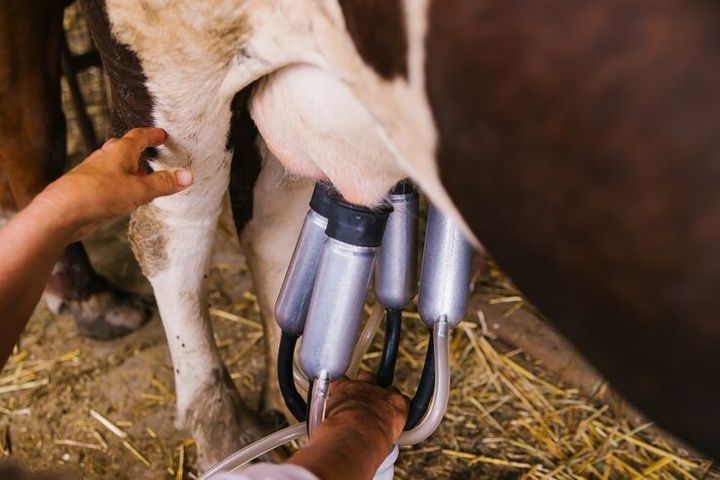
Traditional milking involves manually extracting milk from the animal, while machine milking uses a controlled system to perform the extraction process. A typical machine creates a suitable vacuum around the teat through teat cups connected to a milk collection system.
The milk flows through tubes into a collection container or pipeline. After milking, the equipment is cleaned and prepared for another cycle.
Milking Machines are available in several configurations. Portable bucket systems can be moved between animals, while pipeline systems connect multiple milking points to a central collection arrangement. Larger dairy operations may use rotary or automated milking systems.
Main Components
A typical milking system may contain:
Vacuum pump
Vacuum regulator
Vacuum gauge
Pulsator
Teat cups
Milk tubes
Air tubes
Milk collection container
Milk pipeline
Claw piece
Milk receiver
Cleaning system
Control panel
Sensors
The exact configuration depends on the machine type and farm layout.
Vacuum System
The vacuum system creates the pressure difference required for milk extraction. A vacuum pump generates the vacuum, while regulators and control components help maintain the intended operating range.
Stable vacuum conditions are important for consistent equipment operation. Excessive or unstable vacuum can affect milking performance and animal comfort.
Teat Cup Assembly
Teat cups are attached to the animal during the milking process. Each cup generally contains an outer shell and a flexible liner.
The liner changes position as the pulsation system alternates between vacuum and rest phases. This controlled movement supports the milking cycle.
Pulsation
Pulsation controls the alternating phases of the teat-cup liner. The pulsator introduces air into the space around the liner at controlled intervals.
The resulting cycle generally includes a milking phase and a rest or massage phase. Pulsation settings vary according to the equipment design and operating requirements.
Milk Collection
Milk passes from the teat cups through milk tubes and into a collection container or central pipeline.
In larger systems, milk pipelines transport the milk toward a receiver or cooling and storage system. The arrangement depends on the milking-parlor design.
Cleaning
Cleaning is an essential part of milking equipment operation. Milk residues can remain inside liners, tubes, clusters, pipelines, and collection components.
Automated cleaning systems can circulate appropriate cleaning solutions and rinse water through the milk-contact pathway according to an established cleaning procedure.
Importance
Milking Machines support organized dairy operations by providing a repeatable method for collecting milk. Their design can reduce repetitive manual work while allowing farms to coordinate animal movement, milking, cleaning, and milk handling.
Consistent Milking
Machine milking provides a standardized mechanical process. Properly maintained equipment can provide consistent vacuum and pulsation conditions across milking sessions.
Correct equipment settings and appropriate operating procedures are important for maintaining stable milking performance.
Dairy Automation
Modern dairy facilities can integrate milking equipment with automated identification, animal movement, feeding, milk monitoring, and data-management systems.
Automation levels vary considerably. Some systems assist operators with selected tasks, while robotic systems can coordinate many parts of the milking process.
Milk Handling
After collection, milk generally needs to be transferred rapidly into an appropriate storage and cooling system. Pipeline systems and receivers can help organize this movement.
Milk-contact surfaces should be designed and maintained according to applicable hygiene requirements.
Animal Monitoring
Automated milking systems can use identification technologies and sensors to recognize individual animals and record selected information.
Depending on the system, monitoring may include milking frequency, milk volume, flow characteristics, or equipment status.
Farm Workflow
Milking equipment affects the overall layout of a dairy facility. Parlors, holding areas, milk rooms, cleaning systems, cooling equipment, and animal pathways need to work together.
An organized layout can help coordinate animal movement and equipment operation.
Equipment Hygiene
Milking equipment comes into direct contact with milk, making hygiene an important consideration. Cleaning schedules, water quality, chemical handling, equipment inspection, and proper storage practices all contribute to hygienic operation.
Recent Updates
Recent developments in Milking Machines have focused on automation, sensor technology, animal identification, digital monitoring, robotic systems, cleaning automation, and equipment condition monitoring.
Robotic Milking Systems
Automated milking systems can allow animals to enter a dedicated milking unit individually. The system identifies the animal and uses automated mechanisms to position the milking equipment.
Robotic systems can record selected milking information and coordinate the process with farm-management software.
Electronic Animal Identification
Identification technologies allow equipment to recognize individual animals. Electronic tags or other identification systems can connect an animal with its relevant milking record.
This supports individualized data collection in automated dairy environments.
Milk Flow Monitoring
Sensors can monitor milk flow during a milking cycle. Flow information can provide operators with additional data about the milking process.
Monitoring systems may also identify changes in flow patterns or equipment conditions that require attention.
Automated Cleaning
Modern milking systems can integrate automated cleaning cycles. Programmable systems can control water movement, cleaning stages, rinsing sequences, and selected process parameters.
Cleaning procedures still need to follow the requirements applicable to the equipment, farm, and dairy operation.
Digital Farm Management
Milking equipment can connect with farm-management platforms that collect information from several systems.
Data may include animal identification, milking records, equipment status, and selected production measurements.
Equipment Monitoring
Sensors can monitor vacuum levels, pulsation, temperature, motor conditions, and other equipment parameters.
Digital monitoring can help operators identify changes that may require inspection or maintenance.
Automated Animal Movement
Some modern dairy systems integrate gates, identification systems, and controlled animal pathways. These systems can help coordinate animal movement toward and away from milking areas.
Automation levels depend on facility design and equipment configuration.
Laws or Policies
Dairy milking operations are subject to animal welfare, food safety, hygiene, workplace safety, electrical, environmental, and equipment requirements that vary by country and jurisdiction.
Operators should follow current regulations and applicable dairy-industry requirements for their location.
Animal Welfare
Milking equipment should be operated in a manner that supports appropriate animal handling and welfare. Equipment settings, teat-cup application, animal movement, and milking procedures should follow established veterinary and dairy-management guidance.
Regular equipment inspection can help identify conditions that may affect animal comfort.
Milk Hygiene
Milk-contact equipment should be cleaned and maintained according to applicable dairy hygiene requirements.
Cleaning procedures should address teat cups, liners, tubes, pipelines, receivers, and other milk-contact surfaces.
Chemical Handling
Cleaning systems may use detergents, sanitizing agents, acids, alkaline formulations, or other approved cleaning materials.
These substances should be stored, handled, labeled, and used according to applicable safety documentation and farm procedures.
Workplace Safety
Milking facilities contain vacuum equipment, pumps, electrical systems, moving gates, animals, wet floors, and other potential hazards.
Workers should receive suitable training and follow established procedures for equipment operation, cleaning, maintenance, and animal handling.
Electrical Safety
Milking systems can contain pumps, motors, sensors, control panels, heating systems, and automated equipment.
Electrical systems should be installed and maintained according to applicable electrical requirements, particularly in wet agricultural environments.
Environmental Requirements
Dairy operations can generate wastewater, manure, cleaning solutions, packaging materials, and other waste streams.
Facilities should follow applicable requirements for wastewater management, manure handling, chemical disposal, and environmental protection.
Tools and Resources
Milking operations use a combination of milking equipment, monitoring systems, cleaning tools, testing equipment, and maintenance resources.
Milking Equipment
Common equipment includes:
Bucket milking units
Pipeline milking systems
Herringbone parlors
Parallel parlors
Rotary parlors
Robotic milking systems
Vacuum pumps
Pulsators
Teat-cup assemblies
The selected configuration depends on herd size, facility design, workflow, and automation requirements.
Milk Cooling Equipment
Milk cooling systems are generally used after collection. Bulk milk tanks and other cooling equipment can bring milk to appropriate storage conditions.
Cooling-system capacity should correspond with the farm's milking schedule and milk volume.
Monitoring Equipment
Milking operations may use:
Vacuum gauges
Pulsation monitors
Milk-flow sensors
Temperature sensors
Animal identification systems
Milk meters
Equipment monitoring systems
These tools can provide information about equipment operation and milk handling.
Cleaning Resources
Cleaning resources can include circulation systems, detergents, sanitizing materials, brushes, hoses, water-treatment equipment, and inspection tools.
Cleaning procedures should be established according to equipment documentation and applicable dairy hygiene requirements.
Maintenance Resources
Routine maintenance can include checking vacuum pumps, liners, pulsators, tubes, gaskets, milk hoses, sensors, valves, and control systems.
Worn components should be inspected and replaced according to equipment requirements.
Digital Resources
Technical manuals, equipment specifications, cleaning instructions, maintenance schedules, animal-handling guidance, dairy hygiene requirements, and farm-management software documentation can support effective equipment operation.
FAQs
What are Milking Machines used for?
Milking Machines are used to mechanically collect milk from dairy animals. Depending on their configuration, they can support individual milking units, pipeline systems, milking parlors, or automated robotic milking operations.
How do Milking Machines work?
A milking system uses controlled vacuum and pulsation to operate teat cups attached to the animal. Milk flows through tubes into a collection container or pipeline before moving toward cooling and storage equipment.
What are the main types of Milking Machines?
Common configurations include bucket systems, pipeline systems, herringbone parlors, parallel parlors, rotary parlors, and robotic milking systems. The appropriate arrangement depends on farm size, workflow, and automation requirements.
Why is cleaning important for Milking Machines?
Milking equipment has direct contact with milk, so cleaning helps remove milk residues and maintain hygienic conditions. Teat cups, liners, tubes, pipelines, and other milk-contact components require appropriate cleaning procedures.
What technologies are used in modern dairy automation?
Modern dairy systems can use electronic animal identification, milk-flow sensors, automated teat-cup positioning, digital monitoring, robotic milking units, automated cleaning, and farm-management software.
Conclusion
Milking Machines provide a controlled mechanical approach to milk collection and can range from portable systems to highly automated robotic installations. Modern dairy automation combines vacuum and pulsation technology with sensors, animal identification, digital monitoring, and automated cleaning. Proper equipment maintenance, hygiene, animal handling, and workplace safety are important parts of reliable dairy operations. Continued development in automation and data monitoring is expanding the role of milking technology in modern farm management.