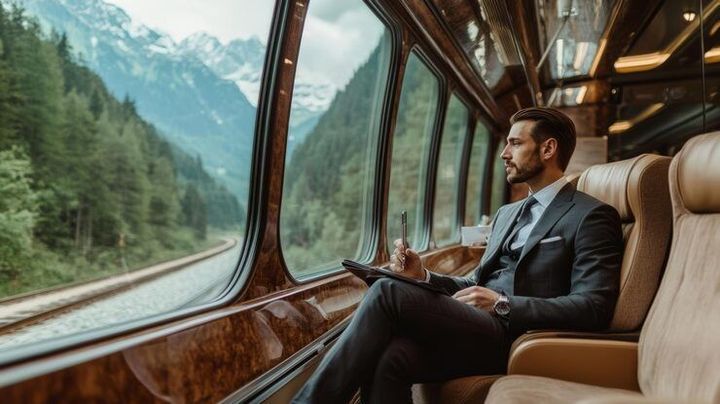
Luxury Train Journeys: Guide to Scenic Routes and Premium Travel Experiences
Luxury Train Journeys combine long-distance rail travel with refined accommodation, scenic sightseeing, dining, and carefully planned destination experiences. Instead of treating the train simply as transportation between two locations, these journeys make the movement between destinations part of the travel experience.
A luxury train may include private cabins, suites, dining cars, observation areas, lounges, entertainment spaces, and curated excursions. Some journeys last a single day, while others continue for several nights across multiple regions.
The concept exists in different forms around the world. European heritage trains often emphasize historic carriages and classic railway culture, while trains in Asia, Africa, North America, and Australia may focus more strongly on landscapes, wildlife, cultural experiences, or long-distance exploration.
How a Luxury Rail Journey Works
A typical journey begins at a major railway station or designated boarding point. Guests check in, board the train, and settle into their cabin or suite before the train begins moving through the planned route.
During the journey, meals may be served in dedicated dining cars, while observation areas provide views of mountains, valleys, coastlines, forests, deserts, or cities. Selected itineraries also include guided excursions during scheduled stops.
Some journeys operate primarily overnight, allowing travelers to sleep while moving between destinations. Others emphasize daytime sightseeing and use hotels during selected portions of the itinerary.
Major Regions for Luxury Rail Travel
Europe: Historic rail experiences connect destinations across countries such as France, Italy, Switzerland, Scotland, Austria, and other parts of the continent.
Asia: Japan, India, Southeast Asia, and other regions combine rail travel with cultural landmarks, historic cities, countryside, and regional cuisine.
Africa: Selected rail journeys cross landscapes associated with wildlife reserves, mountains, deserts, and southern African scenery.
North America: Canada and the United States provide routes through mountain ranges, forests, lakes, and other large natural landscapes.
Australia: Long-distance rail experiences cross dramatically different environments, including coastal areas, inland landscapes, and desert regions.
South America: Selected journeys explore Andean landscapes, historic areas, high-altitude scenery, and culturally significant destinations.
Importance
Turning Transportation Into an Experience
Luxury Train Journeys place emphasis on the journey itself rather than only the final destination. Travelers can watch landscapes change gradually from a private cabin, dining room, or observation area.
This creates a slower form of travel compared with transportation methods where most of the journey is spent moving quickly between airports or highways.
Scenic Exploration
Railways frequently pass through landscapes that are difficult to experience from conventional tourist routes. Mountain valleys, rivers, agricultural regions, forests, coastlines, and remote countryside can become part of the itinerary.
For travelers interested in photography and landscape observation, the continuous movement of a train provides opportunities to experience changing scenery throughout the day.
Accommodation and Dining
Overnight luxury trains combine transportation and accommodation in one moving environment. Cabins may range from compact sleeping compartments to larger suites with private facilities.
Dining cars are another important element. Depending on the journey, meals may emphasize regional ingredients, traditional dishes, international cuisine, or menus created around the destinations along the route.
Cultural Experiences
Many luxury rail itineraries include excursions to historic buildings, museums, archaeological locations, national parks, wineries, villages, or cultural attractions.
These stops can make the journey more than a sequence of scenic views by connecting the railway experience with local history and culture.
Examples of Global Routes
| Region | Example Journey Type | Major Scenic Feature |
|---|---|---|
| Europe | Historic international rail | Alpine and European landscapes |
| Japan | Luxury sightseeing train | Mountains, countryside, and coastal scenery |
| India | Palace-style rail journey | Heritage sites and diverse landscapes |
| Canada | Rocky Mountain rail | Mountains, lakes, and forests |
| Africa | Long-distance luxury rail | Wildlife areas and southern African scenery |
| Australia | Transcontinental rail | Desert and inland landscapes |
| South America | Andean rail travel | Mountains and high-altitude scenery |
Recent Updates
New European Itineraries
Luxury rail travel continues to develop new combinations of railway journeys and destination stays. In 2026, the Venice Simplon-Orient-Express introduced new Italian itineraries under its Villeggiatura by Train program, including a Paris-to-Amalfi Coast journey via Pompeii. The program combines overnight rail travel with stays and experiences in destinations including Florence, Portofino, Venice, and the Amalfi Coast.
These developments illustrate a broader approach in which the railway journey is connected with hotels, cultural visits, food, and destination exploration.
New British Rail Experiences
The British Pullman introduced a new private dining and events carriage named Celia in 2026. The carriage accommodates up to 12 guests and includes dining, lounge, kitchen, and performance-oriented spaces.
This reflects how heritage rail operators are incorporating contemporary interior design and specialized spaces into historic railway experiences.
Expansion of Slow Travel
Recent luxury rail developments increasingly emphasize slower travel, landscape observation, regional culture, and extended destination experiences. Belmond described its 2026 rail strategy around “Slow Luxury,” with new itineraries connecting heritage trains with cultural and natural experiences.
The idea is not simply about traveling slowly. It places greater attention on the time spent experiencing landscapes, food, architecture, and local culture during the journey.
Digital Planning
Travel planning has also become increasingly digital. Travelers can research routes, cabin categories, rail schedules, destination connections, travel documents, and excursion arrangements before departure.
Digital maps and itinerary platforms can make it easier to understand the geographic relationship between individual stops and the overall route.
Greater Interest in Experiential Rail Travel
Luxury rail journeys increasingly combine several travel themes, including culinary exploration, heritage, wellness, nature, photography, wildlife, and cultural discovery.
This creates different styles of rail experiences rather than one standardized definition of luxury. A journey through the Canadian Rockies may focus on scenery, while an Italian itinerary may emphasize architecture, food, and heritage.
Laws or Policies
Railway Rules Vary by Country
There is no single worldwide railway law governing every luxury passenger train. Rail operators must follow the railway safety, passenger, infrastructure, border, and operating requirements applicable to the countries and railway networks through which they travel.
For international journeys, multiple national systems can become relevant. Railway infrastructure, signaling, rolling-stock requirements, operating procedures, passenger documentation, and border arrangements can differ between countries.
International Rail Coordination
The United Nations Economic Commission for Europe, through its Working Party on Rail Transport, provides a forum for governments and railway organizations to discuss international rail transport, interoperability, border crossings, passenger accessibility, safety, and infrastructure matters.
The Organization for the Intergovernmental International Carriage by Rail, known as OTIF, also works on international railway law and technical interoperability among participating countries.
Passenger Documentation
Travelers crossing international borders may need passports, visas, transit permissions, or other documentation. Requirements depend on nationality, destination, route, and immigration rules.
A luxury train ticket does not replace immigration or border requirements. Travelers should verify the documentation requirements for every country included in the itinerary.
Rail Safety
Rail operators and infrastructure managers must comply with applicable safety requirements. International railway operations may involve national safety systems and, in some regions, additional interoperability requirements.
UNECE notes that international passenger rail development involves coordination across borders, infrastructure, rolling stock, and legal arrangements.
Accessibility
Passenger accessibility is another consideration in modern rail planning. Requirements can concern boarding, station access, sleeping arrangements, toilets, seating, mobility equipment, and assistance procedures.
The actual facilities available vary considerably between trains and historical carriages, so travelers with accessibility requirements should verify the specific train and itinerary before departure.
Tools and Resources
Route Maps
Official railway and operator route maps can help travelers understand the geographic structure of a journey. A map is particularly useful for comparing scenic sections, overnight portions, border crossings, and excursion stops.
Rail Timetables
Timetables show departure and arrival information and can help with connections before and after the main journey.
For international itineraries, travelers should allow appropriate time for connections because different railway networks may use separate schedules and operating systems.
Cabin Layouts
Cabin diagrams can help travelers understand the difference between sleeping compartments, suites, twin cabins, and shared facilities.
Important details may include bed arrangement, private bathroom availability, storage, window position, and cabin dimensions.
Destination Guides
Destination guides can explain historical attractions, cultural sites, landscapes, food traditions, museums, and local activities along the route.
Using destination information before departure can help travelers understand why particular stops are included in the itinerary.
Travel Documents
Useful documents can include:
Passport and applicable visas
Rail tickets or booking confirmations
Travel insurance documentation
Hotel confirmations for pre- or post-train stays
Emergency contact information
Medication documentation when applicable
Copies of important travel records
Digital copies can be useful, but travelers may also keep appropriate offline copies when traveling across regions with limited connectivity.
Photography and Scenic Planning
Travelers interested in photography can research sunrise and sunset timing, mountain crossings, observation-car availability, and major scenic sections.
A route map combined with a timetable can help identify when the train is likely to pass important landscapes.
FAQs
What are Luxury Train Journeys?
Luxury Train Journeys are rail trips that combine transportation with premium accommodation, dining, scenic sightseeing, and destination experiences. They can range from daytime scenic trips to multi-night international journeys.
Which countries have Luxury Train Journeys?
Luxury Train Journeys are available in several regions, including Europe, Asia, Africa, North America, Australia, and South America. Each region provides different landscapes, train designs, cultural experiences, and journey lengths.
What is included on a luxury train?
Depending on the itinerary, a train may include private cabins, sleeping suites, dining cars, lounges, observation areas, onboard entertainment, and guided excursions. Facilities vary between operators and routes.
Are Luxury Train Journeys suitable for international travel?
Some are entirely domestic, while others cross international borders or connect with other rail networks. International journeys require attention to passports, visas, border procedures, railway connections, and country-specific travel rules.
How long do luxury train journeys last?
Duration varies widely. Some scenic experiences take several hours or one day, while overnight journeys may last two or more nights. Extended itineraries can combine rail travel with hotel stays and destination excursions.
Conclusion
Luxury Train Journeys combine rail transportation with accommodation, dining, scenery, cultural exploration, and carefully planned destination experiences. Routes across Europe, Asia, Africa, North America, Australia, and South America provide different interpretations of premium rail travel. Recent developments include new European itineraries, redesigned heritage carriages, digital planning tools, and greater emphasis on slow and immersive travel. Because railway rules, border requirements, accessibility provisions, and passenger arrangements vary between countries, international travelers should review the specific requirements of their chosen itinerary before departure.