Luxury Cruise Vacations: Guide to Premium Ships, Suites, and Experiences
Luxury Cruise Vacations are sea journeys designed around upscale accommodations, refined dining, personalized attention, carefully planned itineraries, and distinctive onboard and shore experiences. They range from intimate yacht-style vessels and small expedition ships to larger premium ships with extensive dining, wellness, entertainment, and accommodation choices.
Luxury cruising is not defined by one particular ship size or itinerary. Some travelers associate it with spacious suites, while others focus on smaller ships, longer stays in destinations, private excursions, fine dining, cultural activities, or access to remote locations.
The global luxury cruise segment has expanded considerably. According to Cruise Lines International Association (CLIA), the number of ships classified within the luxury category grew from 28 in 2010 to 98 in 2025. CLIA also reports that luxury cruising was identified by travel professionals as the highest-growth area in 2025.
How Luxury Cruising Works
A luxury cruise follows the same basic maritime structure as other cruises. Travelers board at a designated port, stay aboard the ship during the voyage, visit scheduled destinations, and return to the original or another disembarkation port.
The difference is mainly in the design of the ship and the way the journey is organized. Luxury vessels may have fewer passengers, larger accommodations, specialized restaurants, lounges, wellness facilities, cultural programs, and more destination-focused itineraries.
A typical voyage may include:
Embarkation: Passengers check in and board the ship.
Sea days: Travelers spend time onboard while the vessel moves between destinations.
Port visits: Passengers can explore cities, islands, coastal regions, or remote locations.
Shore excursions: Activities may include cultural visits, food experiences, nature exploration, and guided tours.
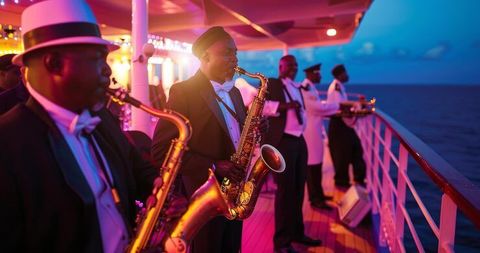
Onboard activities: Dining, wellness, entertainment, lectures, fitness, and relaxation take place during the voyage.
Disembarkation: Passengers leave the ship at the final port.
Main Types of Luxury Cruise Ships
Small luxury ships generally focus on a quieter atmosphere and access to smaller ports.
Luxury ocean ships are designed for longer international voyages and may include multiple restaurants, lounges, wellness areas, pools, theaters, and spacious accommodations.
Luxury river ships travel along rivers such as the Danube, Rhine, Rhône, Mekong, and Nile. Their itineraries often focus on historic cities, cultural attractions, and scenery along riverbanks.
Expedition ships are designed for destinations such as Antarctica, the Arctic, Greenland, the Galápagos, and other remote regions. Expedition cruising is expanding, with CLIA reporting a projected 150% increase in global expedition and exploration ship capacity between 2019 and 2029, including ships on order.
Luxury yacht-style vessels combine cruising with a smaller-ship atmosphere and can focus on coastal destinations, islands, and less crowded ports.
Importance
Spacious Accommodations
Accommodation is a major part of the luxury cruise experience. Standard cabins can be supplemented by larger suites with separate living areas, balconies, expanded bathrooms, walk-in storage, dining areas, or outdoor spaces.
Suite layouts vary substantially between ships. A traveler should examine the actual deck plan and room dimensions rather than assuming that the same category has identical features across different vessels.
Dining Variety
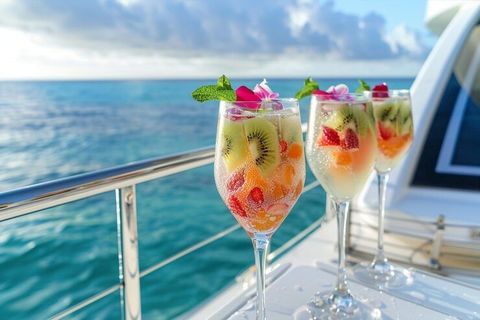
Luxury ships commonly place significant attention on food and beverage programs. Depending on the vessel, travelers may find specialty restaurants, regional cuisine, tasting menus, casual dining spaces, bakeries, cafés, and private dining areas.
Some voyages also emphasize local food through shore excursions, cooking demonstrations, market visits, or destination-focused menus.
Wellness and Relaxation
Wellness facilities can include:
Fitness centers
Spas
Treatment rooms
Saunas and steam rooms
Pools
Yoga areas
Outdoor relaxation spaces
Wellness-focused activities
The exact facilities depend on the ship. Smaller vessels may have a limited number of wellness spaces because of their compact design.
Destination-Focused Travel
Luxury Cruise Vacations can place greater emphasis on the destinations rather than only the ship. Longer port stays can allow travelers more time to explore local restaurants, cultural attractions, museums, historic districts, natural landscapes, and evening activities.
CLIA reported in 2026 that cruise operators were increasingly developing slower itineraries that provide more time in ports and opportunities to experience local destinations.
Suite Categories
| Accommodation | Typical Characteristics | Suitable For |
|---|---|---|
| Oceanview cabin | Window or viewing area | Travelers wanting natural views |
| Balcony cabin | Private outdoor space | Travelers wanting fresh air |
| Junior suite | Larger living area | Travelers wanting additional space |
| Suite | Separate or expanded living areas | Longer or more spacious stays |
| Penthouse suite | Large layout and enhanced features | Travelers seeking extensive private space |
| Yacht-style suite | Spacious design on smaller vessels | Intimate cruising preferences |
Recent Updates
Growth of Luxury Cruising
Luxury cruising has become a more visible part of the global cruise market. CLIA reported that global cruise passenger volume reached 37.2 million in 2025 and highlighted continued investment in new ships, technology, destination partnerships, efficiency, and future fuels.
The luxury segment is also attracting a wider range of travelers. CLIA reported that younger adults, multigenerational groups, and solo travelers are becoming increasingly visible within luxury cruising.
Smaller Ships and More Immersive Itineraries
A growing area of interest is smaller-scale cruising focused on destinations and exploration. Smaller ships can sometimes reach ports that are unsuitable for very large vessels.
Expedition cruising is particularly relevant to this trend because ships can be designed around remote destinations, nature exploration, and activities conducted away from the main vessel.
New Ship Design
Recent cruise-ship development increasingly combines accommodation, dining, wellness, technology, and environmental considerations.
Ship designers are also incorporating energy-efficiency measures and alternative-fuel technologies as the industry works toward longer-term emissions goals. CLIA reported continued investment in efficiency and future fuels in its 2026 industry report.
Longer Destination Stays
Cruise itineraries are increasingly being structured around longer port visits in selected destinations. This can allow travelers to spend more time exploring local areas instead of returning to the ship shortly after arrival.
For luxury travelers, longer stays can support more detailed shore activities such as culinary visits, cultural programs, nature excursions, and evening exploration.
Technology and Personalization
Modern cruise ships use digital systems for navigation, reservations, onboard communication, entertainment, and operational management.
Travelers may also encounter mobile applications that provide daily schedules, restaurant information, excursion details, account information, and ship-location information.
Technology varies considerably by vessel, and some smaller luxury ships deliberately emphasize a quieter environment with less dependence on digital interaction.
Laws or Policies
International Maritime Safety
Luxury cruise ships operating internationally are subject to international maritime requirements. The International Maritime Organization (IMO) states that passenger ships carrying more than 12 passengers on international voyages must comply with relevant regulations, including the International Convention for the Safety of Life at Sea (SOLAS) and the Load Lines Convention.
These requirements cover areas such as ship construction, fire protection, navigation, emergency arrangements, lifesaving equipment, and operational safety.
SOLAS Requirements
SOLAS establishes minimum international standards for the construction, equipment, and operation of ships.
Passenger ships have requirements covering emergency procedures, lifesaving equipment, communication systems, fire protection, evacuation arrangements, and other safety measures.
Cruise passengers are also required to participate in appropriate safety procedures. IMO requirements introduced mandatory passenger musters before or immediately after departure for newly embarked passengers.
Environmental Regulations
Cruise ships must also comply with the IMO's MARPOL pollution-prevention framework.
MARPOL requirements address areas including garbage, sewage, air pollution, and energy efficiency. IMO notes that passenger ships must comply with applicable MARPOL requirements, including limits on sulfur in marine fuel and rules concerning sewage and garbage management.
Polar Cruising
Luxury expedition cruises traveling toward Arctic or Antarctic regions face additional requirements under the Polar Code.
The Polar Code addresses ship design, equipment, operations, crew training, search and rescue, and environmental protection for vessels operating in polar waters. It is mandatory under both SOLAS and MARPOL.
Port and Destination Rules
International maritime regulations are only one part of cruise travel requirements. Individual countries and ports can have their own immigration, customs, health, environmental, and passenger-entry requirements.
Travelers therefore need to consider both the cruise operator's instructions and the requirements of every country included in the itinerary.
Tools and Resources
Cruise Deck Plans
Deck plans help travelers understand cabin locations, restaurants, lounges, pools, elevators, entertainment areas, and outdoor spaces.
They can also help identify whether a suite is near a high-traffic area, public venue, elevator, or outdoor deck.
Itinerary Maps
Interactive maps can show the sequence of ports and the distance between destinations. They can be useful when comparing ocean, river, yacht-style, and expedition itineraries.
Shore Excursion Planning
Destination guides and official tourism websites can help travelers understand local attractions, transportation arrangements, cultural sites, and seasonal conditions before selecting activities.
Travel Documents
International cruise travel may involve passports, visas, entry permits, vaccination documentation where applicable, travel insurance documentation, and other destination-specific requirements.
Requirements depend on nationality, itinerary, embarkation location, and destination countries, so travelers should verify current information with relevant government authorities.
Weather and Seasonal Information
Weather patterns can significantly influence a cruise experience. Mediterranean voyages, Caribbean cruises, Alaska itineraries, Antarctic expeditions, and Southeast Asian river journeys all have different seasonal characteristics.
Checking climate information for every destination can help travelers understand temperatures, rainfall, daylight, and sea conditions during the planned voyage.
Cruise Planning Checklists
A practical planning checklist can include:
Passport and required travel documents
Destination entry requirements
Travel insurance
Appropriate clothing
Medication and personal essentials
Shore excursion requirements
Flight connections
Port transportation
Cabin location
Dining preferences
Accessibility requirements
FAQs
What are Luxury Cruise Vacations?
Luxury Cruise Vacations are cruise journeys that emphasize upscale accommodations, refined dining, personalized attention, distinctive destinations, and carefully designed onboard and shore experiences.
What types of suites are available on luxury cruises?
Depending on the ship, travelers may find junior suites, standard suites, penthouses, villas, and other expanded accommodation categories. Features can include separate living areas, balconies, larger bathrooms, and additional private space.
Where can Luxury Cruise Vacations travel?
Luxury cruises operate across regions including the Mediterranean, Caribbean, Northern Europe, Alaska, South America, Southeast Asia, Australia, New Zealand, the Middle East, Africa, the Pacific, and polar regions.
Are luxury cruises available on small ships?
Yes. Small luxury ships and yacht-style vessels are an important part of the luxury cruise market. Smaller vessels can provide access to selected ports and remote destinations that may not accommodate larger ships.
What should travelers consider before a luxury cruise?
Important considerations include itinerary, ship size, suite layout, destination season, port duration, onboard facilities, excursion types, travel documents, accessibility requirements, and applicable entry rules.
Conclusion
Luxury Cruise Vacations combine ocean travel with spacious accommodations, refined dining, wellness facilities, destination exploration, and specialized onboard experiences. The worldwide market includes large premium ships, intimate yachts, river vessels, and expedition ships traveling to remote regions. Recent developments include increased interest in smaller ships, longer port stays, expedition travel, digital technologies, and more efficient ship systems. International maritime rules, destination requirements, and seasonal conditions are also important parts of planning a cruise journey.