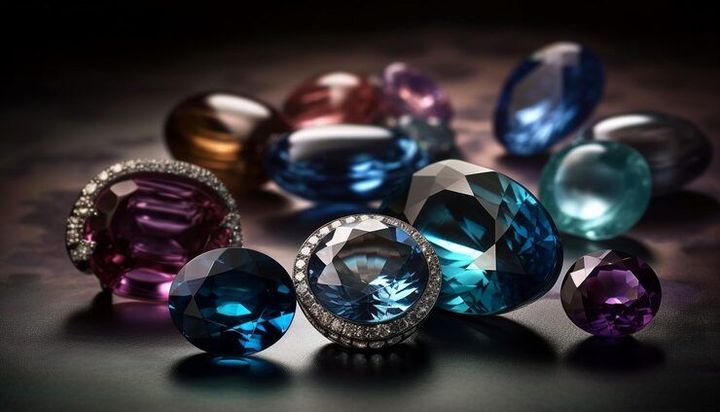
Lab-Grown Gemstone Jewelry: Guide to Styles, Materials, and Practical Insights
Lab-grown gemstone jewelry uses gemstones produced through controlled human-made processes rather than geological formation underground.
The term can describe materials created to have essentially the same chemical, physical, and optical characteristics as corresponding natural gemstones. Depending on the stone, examples can include laboratory-created ruby, sapphire, emerald, and other synthetic gem materials. GIA explains that synthetic gem materials share many important characteristics with their natural mineral counterparts.
It is important to distinguish a synthetic gemstone from a simulant. A synthetic gemstone corresponds to a natural gemstone in key chemical and physical characteristics, while a simulant mainly imitates the appearance of another gemstone. Cubic zirconia, for example, can resemble diamond but has a different chemical composition and crystal structure.
How Lab-Grown Gemstones Are Produced
Different gemstones require different production methods. Manufacturers select appropriate chemical ingredients and carefully control temperature, pressure, atmosphere, and crystal-growth conditions.
Two broad approaches are common. Flux growth uses a molten substance called a flux to help crystals develop at controlled temperatures. Hydrothermal growth uses heated, pressurized water to transport dissolved mineral components and encourage crystal formation.
Other methods can use flame fusion or related crystal-growth techniques. The selected process influences crystal structure, inclusions, color, growth patterns, and the characteristics that gem laboratories can examine.
Main Materials Used
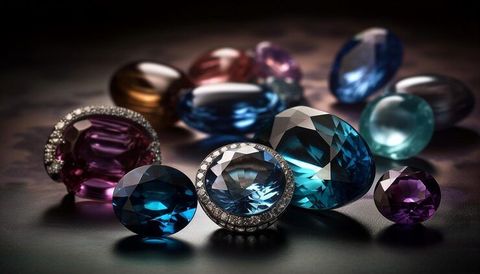
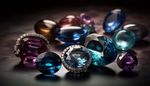
Lab-grown gemstone jewelry can contain several types of stones and jewelry materials. Common gemstone categories include:
Synthetic ruby: A laboratory-created ruby with the same basic chemical composition and crystal structure as natural ruby.
Synthetic sapphire: Laboratory-created corundum that can occur in blue and other colors depending on the material and production conditions.
Synthetic emerald: A laboratory-created emerald with properties corresponding to natural emerald, although growth features and inclusions can differ.
Other synthetic gems: Depending on available technology, laboratory production can also be used for additional gemstone varieties.
Simulants: Materials such as cubic zirconia imitate another gemstone but do not have the same chemical and physical characteristics.
Common Jewelry Styles
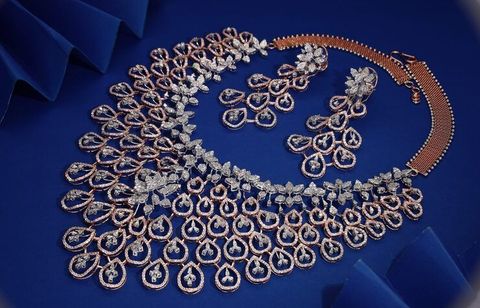
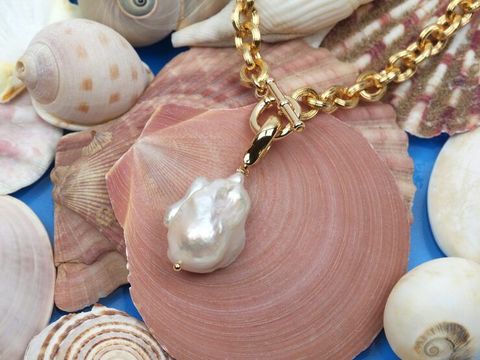
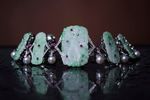
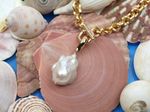
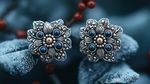
Lab-grown gemstone jewelry can be incorporated into many traditional and contemporary designs. Common formats include rings, earrings, pendants, necklaces, bracelets, brooches, and gemstone-centered fashion pieces.
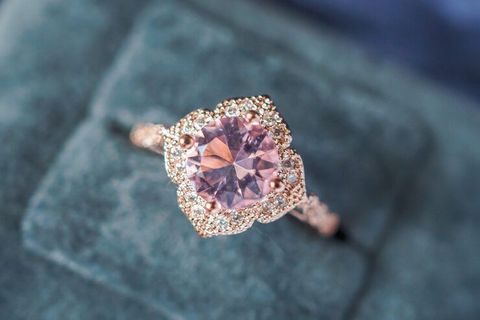
The setting can also change the appearance and practical characteristics of a piece. Prong settings expose more of the gemstone, while bezel settings surround the stone with metal. Halo designs place smaller stones around a central gemstone, while solitaire designs place primary visual attention on one central stone.
Importance
Why Lab-Grown Gemstone Jewelry Matters
Lab-grown gemstone jewelry provides another material category within the wider gemstone industry. Its importance comes from the ability to produce crystals under controlled conditions, allowing manufacturers and researchers to study and create gemstone materials without relying solely on geological sources.
Synthetic gemstone technology also has applications beyond jewelry. GIA notes that synthetic crystals have been produced for industrial uses involving communications, laser technology, microelectronics, and abrasives.
Who Uses These Materials
The field involves jewelry designers, manufacturers, gem laboratories, researchers, retailers, museums, collectors, and consumers. Gemologists examine laboratory-created stones to identify their growth characteristics and distinguish them from naturally formed gemstones or simulants.
Jewelry designers may select different gemstone materials according to color, durability, shape, setting requirements, and design concept. Gem laboratories can use microscopes, spectroscopy, refractive-index measurements, and other analytical techniques to identify gemstone characteristics.
Practical Factors to Consider
Several factors influence how lab-grown gemstone jewelry is designed and evaluated:
Gemstone identity: The exact material should be clearly identified.
Color: Color can vary according to chemical composition, growth conditions, and treatments.
Clarity: Internal features can provide information about how a gemstone formed.
Cut: Faceting influences how light travels through the stone and affects its visual appearance.
Durability: Hardness, toughness, and stability can influence suitable jewelry applications.
Treatments: Some gemstones may receive additional treatment after growth, so disclosure can be important.
Metal: Gold, platinum, silver, and other metals can be used with laboratory-created gemstones.
Setting: The design should hold the gemstone securely while allowing the intended amount of light and visibility.
Comparison of Gemstone Categories
| Gemstone category | Formation method | Relationship to natural stone | Typical identification focus | Common jewelry use |
|---|---|---|---|---|
| Natural gemstone | Geological processes | Naturally formed | Inclusions, chemistry, growth patterns | Rings, earrings, necklaces |
| Synthetic gemstone | Controlled human-made growth | Similar chemical and physical characteristics | Growth structures and inclusions | Rings, pendants, earrings |
| Simulant | Manufactured or natural substitute | Different from the gemstone it resembles | Chemical and optical differences | Fashion jewelry and decorative pieces |
| Treated gemstone | Natural or synthetic material modified after formation | Depends on original material | Treatment features and disclosures | Many jewelry categories |
The distinction matters because similar-looking stones can have different compositions, origins, treatments, and terminology.
Recent Updates
Changing Terminology in the Gemstone Industry
Terminology has received significant attention during 2025 and 2026. CIBJO has been reviewing how synthetic gemstones should be described internationally, with an emphasis on scientifically precise language and clearer distinctions between naturally formed and human-created materials.
In September 2026, CIBJO reported that its Board had approved a recommendation to revise its Blue Books so that “synthetic” is used as the scientifically unambiguous descriptor for created products having the same chemical composition, physical properties, and structure as natural counterparts. CIBJO also noted that national laws and regulations take precedence in applicable jurisdictions.
This means terminology can differ between professional standards and national regulations. Readers should therefore examine the exact disclosure used for a gemstone rather than relying only on a general label.
Digital Gemstone Identification
Digital imaging and analytical technology continue to influence gemstone identification. High-resolution microscopy, spectroscopy, automated imaging, and laboratory databases can help gemologists examine inclusions, growth patterns, chemical composition, and optical properties.
These technologies are particularly useful when stones have similar visual appearances. Laboratory analysis can provide information that is difficult to establish through visual inspection alone.
Responsible Industry Information
CIBJO continues to develop industry guidance concerning gemstone terminology, laboratory-created materials, responsible sourcing, and disclosure. Its published resources include gemstone and laboratory-grown diamond guidance intended to support consistent terminology and clearer information within the jewelry sector.
The increasing focus on terminology reflects a broader industry objective: consumers and businesses should be able to distinguish natural gemstones, synthetic gemstones, treated materials, and simulants accurately.
Laws or Policies
United States Disclosure Rules
In the United States, the Federal Trade Commission's Jewelry Guides address marketing representations concerning gemstones and laboratory-created or imitation materials. The FTC states that descriptions should accurately represent characteristics such as type, quality, size, color, treatment, composition, origin, and other relevant attributes.
The FTC guidance also states that terms such as “laboratory-grown,” “laboratory-created,” or “synthetic” should be used only when the material has essentially the same optical, physical, and chemical properties as the named natural stone. Clear disclosure is important when a product is not a mined gemstone.
International Industry Terminology
CIBJO publishes the Blue Books, which provide terminology and classification guidance for gemstones and jewelry materials. Its 2026 discussions demonstrate that industry terminology can evolve over time.
These publications are industry guidance rather than one universal law. National consumer-protection, labeling, advertising, customs, and jewelry regulations can impose additional requirements.
Regional Differences
Requirements vary between jurisdictions. A description accepted in one market may require additional wording or disclosure in another. Businesses operating internationally therefore need to review the applicable national rules, especially when describing gemstone origin, treatment, composition, or laboratory creation.
For consumers, clear product documentation, laboratory reports where appropriate, and precise gemstone terminology can help distinguish different material categories.
Tools and Resources
Gemological Laboratories
Gemological laboratories examine gemstones using specialized equipment. Common techniques include microscopy, refractive-index measurement, spectroscopy, fluorescence observation, and chemical analysis.
A laboratory report can provide information about gemstone identity, treatments, and other characteristics. The type and depth of testing vary by laboratory and gemstone.
Digital Identification Systems
Digital databases can help compare gemstone images, inclusion patterns, spectra, and reference information. These systems are generally used alongside professional examination rather than as a replacement for physical analysis.
Jewelry Design Software
Computer-aided design software can be used to plan gemstone settings, ring structures, pendant shapes, and other jewelry components. Three-dimensional models allow designers to examine proportions and placement before physical production.
Standards and Industry Resources
CIBJO provides Blue Books and additional guidance covering diamonds, colored gemstones, precious metals, gemological laboratories, and related terminology.
The FTC provides Jewelry Guides and business guidance for gemstone and jewelry descriptions in the United States. These resources can help businesses understand disclosure expectations and help readers interpret terminology used in jewelry descriptions.
FAQs
What is lab-grown gemstone jewelry?
Lab-grown gemstone jewelry contains gemstones created through controlled human-made processes. When the material qualifies as a synthetic gemstone, it has essentially the same chemical, physical, and optical characteristics as the corresponding natural gemstone.
How are lab-grown gemstone jewelry materials made?
Production methods vary by gemstone. Processes can include flux growth, hydrothermal growth, flame fusion, and other controlled crystal-growth techniques. Temperature, pressure, chemical composition, and growth conditions influence the resulting crystal.
Is lab-grown gemstone jewelry different from gemstone simulants?
Yes. A synthetic gemstone corresponds closely to its natural counterpart in important chemical and physical characteristics, while a simulant mainly imitates the appearance of another gemstone and has a different composition or structure.
What should be checked when evaluating lab-grown gemstone jewelry?
The gemstone identity, treatments, laboratory documentation, metal type, setting design, dimensions, and applicable disclosure information can all be relevant. A gemological report can provide additional information when independent identification is needed.
Are lab-grown gemstone jewelry labels the same worldwide?
No. Terminology and disclosure requirements can vary by jurisdiction. U.S. FTC guidance permits specific descriptive terms under defined conditions, while CIBJO has been revising its international terminology recommendations during 2025–2026.
Conclusion
Lab-grown gemstone jewelry uses gemstones produced through controlled human-made processes and can include synthetic ruby, sapphire, emerald, and other materials. Understanding the difference between synthetic gemstones, natural gemstones, treated materials, and simulants is important when interpreting jewelry descriptions. Advances in laboratory analysis, digital imaging, design software, and industry terminology are continuing to influence the field through 2024–2026. Clear identification and jurisdiction-specific disclosure remain important practical considerations for the international jewelry market.