Lab-Grown Diamond Engagement Rings: Explore Modern Designs and Bridal Trends
Lab-grown diamond engagement rings combine modern diamond technology with contemporary bridal designs. Explore popular cuts, settings, metals, personalization, certification, and 2026 engagement-ring trends.
Context
Understanding Lab-Grown Diamond Engagement Rings
Lab-grown diamond engagement rings use diamonds created through controlled technological processes rather than geological formation beneath the earth. Laboratory-grown diamonds have essentially the same chemical, physical, and optical properties as mined diamonds, although their origin is different.
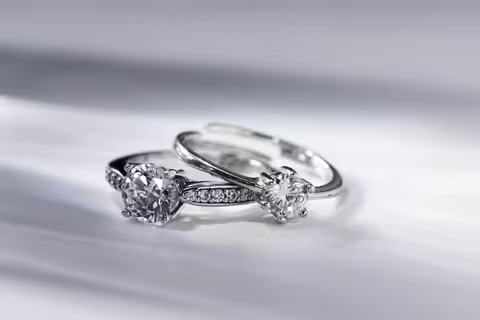
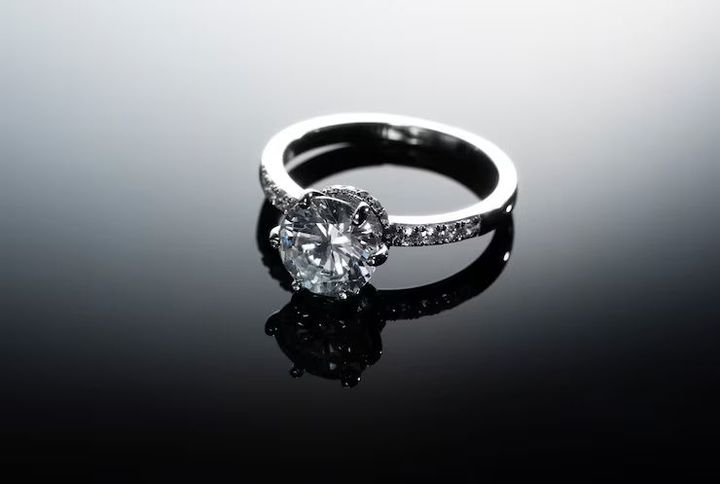
The stones can be incorporated into many of the same engagement-ring styles used with mined diamonds. Solitaire, halo, three-stone, pavé, bezel, vintage-inspired, and geometric designs can all be created with laboratory-grown diamonds.
The growing presence of lab-grown diamonds has also influenced bridal jewelry design. Couples are increasingly considering diamond shape, metal, setting, personalization, and overall ring proportions as part of a broader design decision.
How Lab-Grown Diamonds Are Created
Laboratory-grown diamonds are generally produced through High Pressure High Temperature (HPHT) or Chemical Vapor Deposition (CVD) processes.
HPHT technology recreates conditions associated with the formation of diamonds under intense pressure and temperature. CVD technology uses a controlled environment in which carbon-containing gases contribute to diamond growth.
After growth, the diamond can be cut, polished, graded, and incorporated into jewelry. The resulting diamond is not an imitation material such as cubic zirconia; laboratory-grown diamonds have the characteristic physical and chemical properties of diamond.
Common Engagement Ring Designs
Lab-grown diamond engagement rings can appear in a wide range of designs, including:
Solitaire rings
Halo rings
Three-stone rings
Pavé bands
Bezel settings
Cathedral settings
Vintage-inspired rings
Art Deco-inspired designs
East-west settings
Split-shank designs
Toi et moi designs
Minimalist contemporary settings
The design determines how the center stone is presented and how the ring interacts with the wearer's hand.
Importance
Design Flexibility
One reason lab-grown diamonds have become prominent in bridal jewelry is the broad selection of diamond shapes and sizes available for ring design.
The center stone can be combined with different metals, settings, accent stones, and band profiles. This allows a traditional solitaire to look very different from a geometric bezel ring even when both use similar diamond shapes.
Diamond Shapes
Diamond shape has a major influence on the appearance of an engagement ring.
Round brilliant diamonds remain associated with traditional bridal styling, while oval, pear, marquise, emerald, cushion, radiant, and Asscher cuts provide different visual proportions.
In 2026, elongated shapes such as marquise and cushion cuts, along with geometric step cuts, are receiving increased attention in engagement-ring design.
Ring Settings
The setting determines how the diamond is held and how much of the stone is visually exposed.
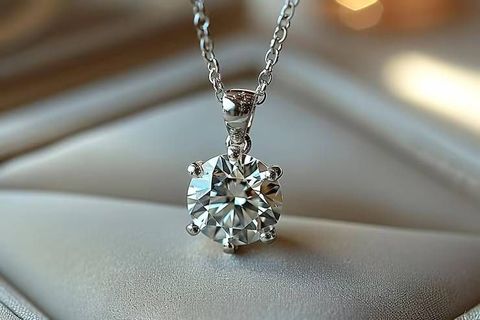
A prong setting uses small metal claws to secure the diamond while allowing significant light exposure. A bezel setting surrounds the stone with a metal rim and creates a more defined outline.
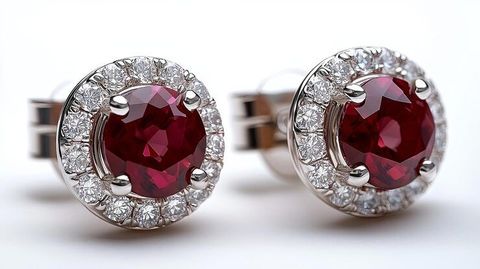
Halo settings place smaller stones around the center diamond, while three-stone settings use a central stone accompanied by two additional stones.
Metal Selection
Common metals for engagement rings include platinum, white gold, yellow gold, and rose gold.
Metal color can significantly change the appearance of a diamond. White metals create a close visual relationship with a colorless-looking stone, while yellow gold creates a stronger contrast between the metal and diamond.
Current 2026 bridal trends show renewed interest in yellow-gold settings and combinations that contrast warm metal tones with bright diamonds.
Personalization
Personalization has become an important part of contemporary engagement-ring design.
Couples may select a particular diamond shape, setting profile, metal, band width, engraving, accent stones, or unusual arrangement. This can create a ring that reflects personal preferences rather than following a single conventional design.
Engagement-ring trends in 2026 are increasingly centered on individuality, storytelling, geometric elements, vintage references, and distinctive settings.
Certification and Grading
Diamond grading reports can provide information about characteristics such as carat weight, color, clarity, cut, measurements, and other identifying features.
For laboratory-grown diamonds, documentation should clearly identify the stone as laboratory-grown rather than mined. This distinction is important when comparing diamonds from different origins.
The grading organization and report details should be checked carefully, particularly when a diamond's specifications are an important part of the ring selection process.
Recent Updates
Growth of Lab-Grown Diamonds in Bridal Jewelry
Lab-grown diamonds have moved from a relatively specialized category into a major part of the bridal jewelry market.
A 2026 Forbes analysis reported that laboratory-grown diamonds accounted for about half of U.S. engagement-ring purchases, while other recent industry reporting has placed their share even higher depending on the measurement and market segment. These figures vary by research methodology and geography, but they illustrate the significant change in consumer preferences.
Elongated Diamond Shapes
Elongated diamond shapes are receiving strong attention in current bridal design.
Marquise, elongated cushion, oval, and emerald-cut stones can create a longer visual line across the finger. These shapes can be used in minimalist solitaires as well as more elaborate settings.
Recent 2026 engagement-ring coverage also highlights renewed interest in vintage-inspired cuts and elongated proportions.
Geometric Designs
Geometric engagement rings are another prominent direction.
Emerald and Asscher cuts have strong linear patterns, while octagonal outlines, baguette accents, and structured bands can create an architectural appearance.
This trend connects modern design with Art Deco influences, creating rings that emphasize symmetry, clean lines, and defined shapes.
Bezel Settings
Bezel settings are receiving renewed attention because they combine a clean outline with a protective metal rim around the diamond.
They can work particularly well with geometric and elongated diamond shapes. Gold bezel frames can also create a visual contrast with a bright diamond.
The increased interest in bezel designs reflects a broader movement toward practical, wearable, and visually distinctive engagement rings.
Vintage and Heritage Influences
Vintage-inspired engagement rings continue to influence modern bridal design.
Old-mine-inspired cuts, Art Deco geometry, antique-style settings, engraving, milgrain details, and cluster arrangements can bring historical references into contemporary jewelry.
Current bridal trends suggest that many couples are interested in designs with character and personal meaning rather than following one standardized engagement-ring style.
Modern Minimalism
Alongside detailed vintage designs, minimalist rings remain relevant.
A simple solitaire with a clean band allows the center diamond to remain the primary visual element. Bezel and low-profile settings can provide a modern appearance while maintaining a relatively simple silhouette.
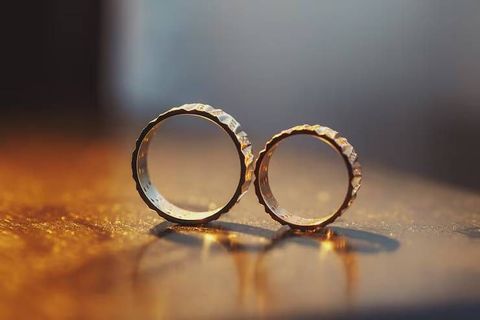
Minimalist designs can also be paired with wedding bands later, allowing the engagement ring to form part of a larger bridal jewelry combination.
Changing Consumer Priorities
The growing popularity of lab-grown diamonds is also changing how couples think about engagement-ring selection.
Instead of focusing only on diamond origin, consumers may compare size, cut, clarity, color, setting, metal, design, certification, and personal meaning.
Recent industry analysis indicates that younger consumers are an important part of the lab-grown diamond market and that design flexibility and transparency are increasingly relevant to bridal jewelry decisions.
Laws or Policies
Diamond Disclosure
Accurate disclosure of diamond origin is an important part of jewelry advertising and consumer information.
The U.S. Federal Trade Commission states that laboratory-grown diamonds should be described using clear terms such as “laboratory-grown” or “laboratory-created” so that consumers understand that the stone is not mined. The disclosure should be clear and placed close to the diamond description.
Indian Diamond Standards
India has also developed standards addressing consumer confidence and accurate diamond terminology.
BIS documentation for IS 19469:2025 describes requirements concerning the description, labeling, and advertising of diamonds and diamond-like products. It distinguishes natural diamonds, laboratory-grown diamonds, treated diamonds, composite stones, and imitation diamonds.
This makes accurate terminology particularly important when describing laboratory-grown engagement rings.
Gold Hallmarking in India
When an engagement ring uses gold, applicable Indian hallmarking requirements are relevant to the metal component.
BIS states that gold and silver are currently covered by its Hallmarking Scheme in India. Hallmarked gold jewelry carries information associated with purity and the HUID system.
BIS's mandatory hallmarking framework has continued to receive amendments, with updates recorded during 2026.
Jewelry Documentation
Documentation for a diamond engagement ring can include the diamond grading report, metal details, invoice, treatment information where applicable, and ring specifications.
Consumers should ensure that the documentation accurately corresponds to the actual stone and jewelry piece.
Consumer Information
Jewelry descriptions should distinguish between laboratory-grown, natural, treated, and imitation stones.
Clear terminology helps prevent confusion between laboratory-grown diamonds and diamond simulants. Laboratory-grown diamonds have diamond's characteristic properties, while simulants such as cubic zirconia are different materials.
Tools and Resources
Diamond Grading Reports
A grading report can help readers understand a diamond's measurable characteristics.
Important details may include:
Carat weight
Color grade
Clarity grade
Cut grade where applicable
Measurements
Proportions
Fluorescence
Identification information
Laboratory-grown or natural origin
Ring Size Tools
Accurate ring sizing is important because changing the ring size later can depend on the setting and metal design.
A professional measurement is generally more reliable than estimating size from an existing ring, especially for designs with unusual bands or structural details.
Diamond Shape Charts
Shape charts can help compare the visual proportions of round, oval, pear, marquise, cushion, emerald, radiant, and Asscher diamonds.
The same carat weight can appear different depending on the stone's shape, measurements, depth, and proportions.
Setting Comparison
A simple comparison can help organize design choices:
| Setting | Visual Character | Typical Design Direction |
|---|---|---|
| Solitaire | Clean and classic | Minimalist |
| Halo | More surrounding sparkle | Glamorous |
| Three-stone | Symbolic and balanced | Traditional |
| Bezel | Defined and modern | Contemporary |
| Pavé | Detailed band | Decorative |
| Cathedral | Elevated center stone | Classic |
| East-west | Horizontal orientation | Modern |
| Vintage | Decorative details | Heritage-inspired |
Four Cs
The four commonly discussed diamond characteristics are color, clarity, cut, and carat weight.
These characteristics describe different aspects of the stone. Cut concerns how the diamond's proportions and finish influence its interaction with light, while color and clarity describe other grading characteristics.
Carat weight refers to the diamond's mass rather than its visual size alone.
Design Planning
A practical design process can include:
Select the preferred diamond shape.
Compare laboratory-grown diamond specifications.
Review grading documentation.
Select the ring metal.
Compare prong, bezel, halo, or other settings.
Consider band width and profile.
Check ring size.
Review wedding-band compatibility.
Consider engraving or other personalization.
Confirm documentation and care requirements.
FAQs
What are lab-grown diamond engagement rings?
Lab-grown diamond engagement rings use diamonds created in controlled laboratory environments rather than mined from geological deposits. The diamonds have essentially the same chemical, physical, and optical properties as mined diamonds, but their origin is different.
Are lab-grown diamonds real diamonds?
Yes. Laboratory-grown diamonds have the characteristic chemical, physical, and optical properties of diamond. They are different from diamond simulants such as cubic zirconia, which are made from different materials.
Which lab-grown diamond engagement ring designs are trending in 2026?
Current trends include elongated marquise and cushion shapes, emerald and Asscher cuts, bezel settings, yellow-gold combinations, geometric designs, vintage references, and personalized ring details.
What should I check in a lab-grown diamond engagement ring?
Important factors include diamond shape, cut, color, clarity, carat weight, grading documentation, setting design, metal type, ring size, and the compatibility of the engagement ring with a future wedding band.
Are lab-grown diamond engagement rings available in different styles?
Yes. Laboratory-grown diamonds can be incorporated into solitaire, halo, three-stone, pavé, bezel, vintage-inspired, geometric, and other engagement-ring designs.
Conclusion
Lab-grown diamond engagement rings combine laboratory-created diamonds with a wide range of contemporary and traditional bridal designs. Current 2026 trends show strong interest in elongated shapes, geometric cuts, bezel settings, yellow-gold contrasts, vintage influences, and personalized details. Accurate diamond-origin disclosure, grading documentation, and applicable metal hallmarking requirements are important parts of informed jewelry selection. As bridal preferences continue to diversify, lab-grown diamonds provide a broad design platform for engagement rings with different shapes, settings, metals, and visual styles.