Indigenous Tourism Experiences: Discover Heritage, Communities, and Important Facts
Indigenous tourism experiences involve travel activities connected with Indigenous peoples, cultures, lands, traditions, languages, histories, and community knowledge. These experiences can include cultural interpretation, traditional arts, storytelling, food traditions, guided visits, music, crafts, nature-based activities, and visits to places with cultural significance.
The central idea is meaningful engagement with Indigenous heritage while recognizing that each community has its own identity, traditions, rules, and relationship with its land. Indigenous tourism is therefore not a single type of travel. It varies considerably across regions and communities.
How Indigenous Tourism Developed
Indigenous peoples have shared cultural knowledge with visitors for generations, although the modern tourism industry has not always represented Indigenous communities accurately or fairly. In some historical situations, outside tourism created stereotypes, commercial pressure, or limited community control over cultural representation.
Modern Indigenous tourism increasingly emphasizes community participation, cultural integrity, economic participation, environmental responsibility, and Indigenous control over how traditions are presented. Organizations such as the World Indigenous Tourism Alliance have promoted approaches that place Indigenous people and communities at the center of tourism development.
Main Types of Indigenous Tourism Experiences
Indigenous tourism experiences can take several forms:
Cultural interpretation: Visitors learn about traditions, history, language, community life, and cultural values through locally developed interpretation.
Traditional arts and crafts: Experiences may involve weaving, carving, pottery, painting, beadwork, textiles, or other cultural arts.
Food and culinary traditions: Community-led food experiences can explain traditional ingredients, preparation methods, harvesting practices, and cultural relationships with food.
Storytelling and oral history: Elders, knowledge holders, artists, and cultural interpreters may share stories connected with places, ancestors, traditions, and historical events.
Nature and land experiences: Guided activities can explain traditional relationships with forests, rivers, mountains, coastlines, wildlife, and other landscapes.
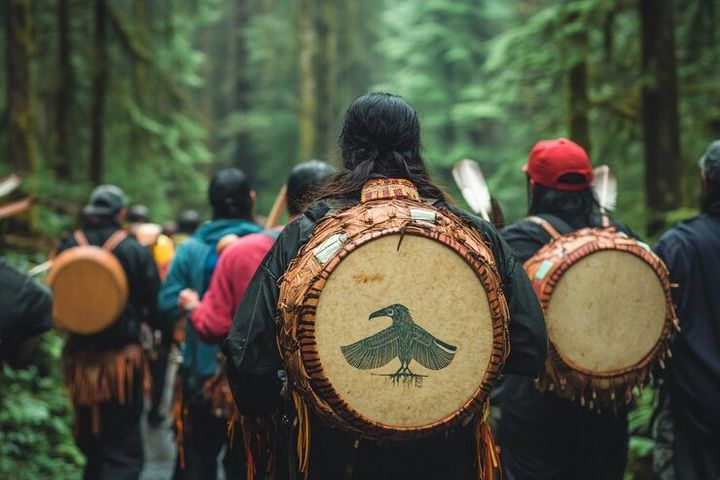
Cultural festivals and performances: Music, dance, ceremonies, and public cultural events may provide opportunities to learn about living traditions.
Heritage and historical sites: Visitors may explore archaeological locations, cultural landscapes, museums, and places connected with Indigenous history.
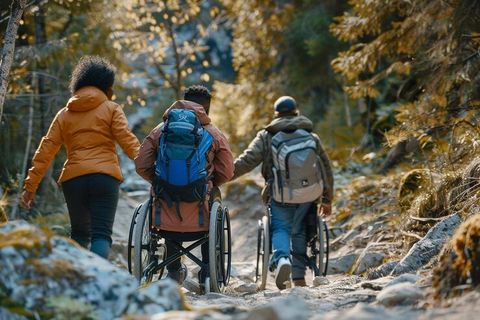
A simple example is a guided cultural walk led by members of an Indigenous community. Instead of simply describing plants or landscapes, the experience may explain traditional relationships with the land, local place names, historical events, and cultural knowledge.
Importance
Why Indigenous Tourism Experiences Matter
Indigenous tourism experiences can help communicate living cultures and histories that may be poorly represented through conventional tourism. When communities have meaningful control over interpretation, visitors can receive information from people connected directly with the culture and place.
Tourism can also contribute to cultural preservation when communities choose to use tourism as a way to support language programs, arts, cultural education, heritage documentation, and intergenerational knowledge transfer.
The United Nations Declaration on the Rights of Indigenous Peoples recognizes Indigenous peoples' rights concerning culture, traditional knowledge, lands, resources, and participation in decisions affecting them. These principles are relevant when tourism involves Indigenous cultural heritage or traditional knowledge.
Community Participation
Community participation is an important part of Indigenous tourism. A community may determine which cultural information can be shared publicly, which locations can be visited, and how photographs or recordings may be used.
This distinction matters because some cultural knowledge is public while other knowledge may be restricted, sacred, seasonal, family-specific, or intended only for community members.
Cultural and Educational Applications
Indigenous tourism experiences can support several practical purposes:
Cultural education: Visitors can learn about languages, traditions, historical events, and contemporary Indigenous life.
Heritage preservation: Tourism activities can help maintain interest in cultural landscapes, traditional arts, historic places, and community archives.
Language awareness: Guided experiences and cultural programs can introduce Indigenous place names and language traditions.
Environmental education: Community knowledge can provide perspectives on ecosystems, seasonal changes, plants, animals, and land relationships.
Intergenerational learning: Tourism programs can create settings where younger community members participate in cultural interpretation and knowledge transmission.
Community participation: Locally controlled tourism can create opportunities for communities to determine how their culture and heritage are represented.
Important Types and Characteristics
| Experience Type | Main Focus | Common Activities | Important Consideration |
|---|---|---|---|
| Cultural Tours | History and living culture | Guided walks, storytelling | Follow community guidelines |
| Traditional Arts | Craft and artistic heritage | Weaving, carving, painting | Respect cultural ownership |
| Food Experiences | Traditional food knowledge | Cooking, tasting, harvesting | Consider cultural food rules |
| Nature Experiences | Land relationships | Walking, wildlife observation | Follow environmental restrictions |
| Museums and Heritage Sites | History and collections | Exhibitions, archives | Use verified historical information |
| Festivals | Public cultural expression | Music, dance, community events | Follow event-specific rules |
Challenges and Limitations
Indigenous tourism can involve complex cultural and ethical questions. One challenge is cultural commodification, which occurs when cultural traditions are changed primarily to meet visitor expectations rather than being represented according to community values.
Another concern is misappropriation of Indigenous designs, stories, symbols, names, and traditional knowledge. Unauthorized use can create cultural, legal, and ethical problems.
Environmental pressure can also affect Indigenous lands and culturally important places. Visitor numbers, transportation, waste, infrastructure, and physical disturbance may require careful planning.
Recent Updates
Greater Emphasis on Indigenous Leadership
From 2024 through 2026, Indigenous tourism discussions have continued to emphasize Indigenous leadership, community governance, cultural integrity, and responsible destination development. International organizations and tourism bodies increasingly recognize that Indigenous communities should have meaningful participation in decisions concerning tourism involving their culture and territories.
The UN Tourism Global Conference on Wine Tourism in 2024 and other international tourism discussions have also reflected broader attention to community participation, cultural heritage, sustainability, and locally rooted tourism development.
Digital Cultural Interpretation
Digital technology is becoming more common in cultural heritage interpretation. Websites, digital archives, mobile applications, interactive maps, virtual exhibitions, audio recordings, and multimedia storytelling can help visitors learn about Indigenous history before or after a physical visit.
However, digital publication can create additional questions about ownership and cultural permissions. Communities may decide that some stories, images, recordings, locations, or traditional knowledge should not be placed online.
AI and Indigenous Cultural Knowledge
Artificial intelligence is creating new possibilities for translation, transcription, search, digital archiving, and educational tools. At the same time, Indigenous communities and researchers have raised concerns about how AI systems collect, reproduce, and use Indigenous languages and traditional knowledge.
AI-generated cultural information can also contain inaccuracies or remove important cultural context. Human review, community participation, and appropriate data governance are therefore important when technology is used with Indigenous cultural materials.
Sustainable and Community-Led Tourism
Sustainability discussions increasingly extend beyond environmental protection to include cultural continuity, community decision-making, fair participation, and protection of cultural heritage.
The Global Sustainable Tourism Council provides sustainability criteria covering destination management, socioeconomic impacts, cultural impacts, and environmental considerations. These criteria are used as reference points in parts of the tourism sector, although they are not a universal legal requirement.
Laws or Policies
International Frameworks
There is no single worldwide law governing Indigenous tourism. Requirements depend on national legislation, Indigenous rights frameworks, land ownership, protected-area rules, heritage legislation, and agreements between communities and tourism organizations.
The United Nations Declaration on the Rights of Indigenous Peoples is an important international framework. It addresses cultural rights, traditional knowledge, lands and resources, participation in decision-making, and other matters relevant to Indigenous communities.
The UNESCO Convention for the Safeguarding of the Intangible Cultural Heritage is also relevant to traditions such as oral expressions, performing arts, social practices, rituals, traditional craftsmanship, and knowledge concerning nature.
Cultural Heritage and Traditional Knowledge
Some Indigenous cultural materials may be protected through intellectual property law, copyright, trademarks, geographical indications, cultural heritage rules, or community protocols. Legal protection differs significantly between countries.
Traditional knowledge may also fall outside conventional intellectual property systems, creating additional challenges when cultural information is used by external organizations.
The World Intellectual Property Organization has developed work concerning Indigenous peoples, traditional knowledge, traditional cultural expressions, and genetic resources. Its materials can help explain international discussions surrounding protection and cultural rights.
Regional Differences
National and regional rules can vary considerably. In some jurisdictions, Indigenous communities have legally recognized rights relating to land, cultural heritage, consultation, environmental management, or traditional knowledge.
Tourism operators and visitors may therefore encounter different rules concerning photography, recording, access to culturally important places, commercial use of designs, collection of natural materials, drone operation, and participation in ceremonies.
Visitors should follow the specific rules established by the community, site authority, or applicable government regulations.
Tools and Resources
Official Tourism and Community Websites
Official Indigenous tourism organizations and community-led destination websites can provide information about cultural protocols, permitted activities, seasonal access, community events, and appropriate visitor behavior.
Community-controlled sources can be particularly useful because they allow Indigenous groups to explain their own history and culture rather than relying only on outside descriptions.
Heritage and Cultural Databases
UNESCO databases, national heritage registers, museum collections, university archives, and government cultural heritage portals can help researchers understand historical locations and cultural traditions.
The UNESCO Intangible Cultural Heritage platform provides information about cultural practices recognized under the 2003 Convention and can be used as a starting point for broader research.
Mapping and Digital Tools
Digital mapping tools can help visitors identify cultural landscapes, heritage sites, protected areas, museums, and community locations. Some Indigenous communities also use digital mapping to document place names, ecological knowledge, cultural sites, and historical information.
Language and Translation Tools
Language-learning resources, digital dictionaries, recorded oral histories, and community-developed language platforms can help visitors understand Indigenous languages and place names.
Automated translation can be useful for basic communication, but it may not accurately capture cultural meaning, pronunciation, historical context, or concepts that do not have direct equivalents in another language.
FAQs
What are Indigenous tourism experiences?
Indigenous tourism experiences are travel activities connected with Indigenous cultures, communities, histories, languages, traditions, lands, arts, food, and cultural knowledge. They can include guided tours, storytelling, museums, crafts, food experiences, and nature activities.
Why are Indigenous tourism experiences important?
Indigenous tourism experiences can support cultural education, heritage interpretation, community participation, traditional arts, language awareness, and understanding of Indigenous relationships with land and history.
How can visitors participate respectfully in Indigenous tourism experiences?
Visitors should follow community rules, respect photography restrictions, avoid unauthorized recording, listen to cultural interpreters, and avoid treating sacred traditions as entertainment. Specific expectations vary between communities.
Are Indigenous tourism experiences community-led?
Some are community-led, while others involve partnerships between Indigenous communities, tourism organizations, governments, museums, or private organizations. The level of Indigenous ownership and decision-making can therefore differ between destinations.
How is technology changing Indigenous tourism experiences?
Digital archives, interactive maps, mobile applications, virtual interpretation, translation tools, and AI-assisted systems can expand access to cultural information. Their use also requires attention to cultural permissions, data ownership, accuracy, and community control.
Conclusion
Indigenous tourism experiences connect visitors with living cultures, heritage, communities, languages, traditions, and relationships with land. Their development involves more than presenting historical information because cultural ownership, community participation, environmental protection, and appropriate representation are also important. Digital archives, mapping systems, multilingual tools, and emerging AI technologies are creating new ways to interpret Indigenous heritage while raising questions about data governance and cultural permissions. Responsible engagement depends on respecting community decisions and recognizing that Indigenous cultures are diverse, contemporary, and continually evolving.