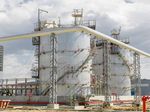
Heat Recovery Steam Generators: Guide to Components and Practical Insights
Heat Recovery Steam Generators, commonly called HRSGs, are heat-exchange systems that recover heat from hot exhaust gases and use it to produce steam. They are widely associated with combined-cycle power plants, where a gas turbine generates electricity and its hot exhaust is then directed through an HRSG to produce steam for a steam turbine.
The basic idea is straightforward: instead of allowing valuable thermal energy in turbine exhaust to leave the plant unused, an HRSG transfers much of that heat into water and converts the water into steam. The steam can then drive another turbine and generate additional electricity. The U.S. Department of Energy describes this arrangement as a combined-cycle configuration.
HRSGs can also be designed for industrial combined heat and power applications. Depending on the installation, recovered heat may be used for steam generation, process heating, hot-water production, or other thermal requirements.
How an HRSG Works
The operating sequence normally follows several stages.
Hot exhaust enters: Gas turbine exhaust enters the HRSG at high temperature.
Heat transfer begins: Heat passes from the exhaust gas into water or steam flowing through heat-transfer tubes.
Water is heated: Feedwater passes through economizer sections before entering the evaporating sections.
Steam is generated: Water absorbs additional heat and changes into steam.
Steam is superheated: In suitable designs, steam passes through a superheater to increase its temperature.
Steam is used: The resulting steam can enter a steam turbine or another industrial process.
Exhaust leaves: After transferring heat, the cooler exhaust gas exits through the downstream exhaust system.
The exact arrangement depends on the gas turbine, steam conditions, plant configuration, fuel, operating profile, and required steam output.
Main HRSG Configurations
HRSGs can be classified in several ways.
Unfired HRSGs primarily use heat already present in gas turbine exhaust. No additional combustion is normally used inside the heat-recovery unit.
Supplementary-fired HRSGs can include additional burners that raise the temperature of the gas entering the heat-recovery sections. This allows steam production to be adjusted beyond what turbine exhaust alone can provide.
Single-pressure HRSGs generate steam at one principal pressure level.
Multi-pressure HRSGs generate steam at two or more pressure levels. These systems can recover heat more effectively across different temperature ranges and are common in larger combined-cycle plants.
Importance
Recovering Exhaust Heat
The main purpose of an HRSG is to capture thermal energy that would otherwise leave with gas turbine exhaust. The recovered energy is transferred into the steam cycle, allowing a combined-cycle plant to generate additional power from the same overall fuel-conversion process.
This is one reason combined-cycle configurations can achieve higher energy-conversion efficiency than simple-cycle gas turbines.
Supporting Combined-Cycle Generation
In a combined-cycle plant, the gas turbine and steam turbine operate as connected energy-conversion stages.
The gas turbine produces electricity first. Its exhaust then supplies heat to the HRSG, which generates steam. That steam drives the steam turbine, creating another source of electrical output.
A simplified flow looks like this:
Fuel → Gas Turbine → Hot Exhaust → HRSG → Steam → Steam Turbine → Electricity
Industrial Heat Recovery
HRSG technology is not limited to electricity generation. Combined heat and power systems can use recovered steam for industrial heating, feedwater heating, steam production, and other thermal applications.
Industries with substantial steam requirements can therefore integrate heat recovery with their broader thermal systems.
Main Components
| HRSG Component | Main Function | Typical Role |
|---|---|---|
| Economizer | Preheats feedwater | Improves heat recovery |
| Evaporator | Converts water into steam | Steam generation |
| Steam drum | Separates steam and water | Water-steam circulation |
| Superheater | Raises steam temperature | Produces superheated steam |
| Reheater | Reheats steam between turbine stages | Supports steam-cycle performance |
| Headers | Distribute collected fluid | Connect heat-transfer sections |
| Ducting | Directs exhaust gas | Gas-flow management |
| Stack | Releases cooled exhaust | Final exhaust path |
| Attemperator | Controls steam temperature | Steam conditioning |
Recent Updates
More Attention to Flexible Power Generation
Modern power systems increasingly require generating units to respond to changing electricity demand and interactions with variable renewable generation.
This creates additional engineering considerations for combined-cycle plants and their HRSGs. Repeated starts, stops, ramping, and changes in operating conditions can influence thermal stresses in heat-transfer components.
HRSG designs therefore increasingly consider operational flexibility alongside traditional steady-state performance.
Advanced Heat-Recovery Design
Modern engineering approaches focus on improving heat transfer while managing pressure losses, thermal stresses, material limitations, and water-steam conditions.
Multi-pressure arrangements can extract heat at different temperature levels. Reheating and supplementary firing can also be incorporated where the plant design requires them.
Digital Monitoring
Sensors and control systems can monitor temperatures, pressures, steam conditions, exhaust-gas characteristics, water chemistry, vibration, and other operating parameters.
Digital monitoring can help operators identify abnormal conditions and understand how equipment behaves during changing operating conditions.
Condition monitoring is particularly relevant to components exposed to repeated thermal cycling. Data from instrumentation can support inspection planning and operational analysis.
Decarbonization and Energy-System Changes
The wider energy system is changing through electrification, renewable generation, energy-efficiency measures, and development of lower-carbon fuels.
The IEA's 2026 Energy Technology Perspectives highlights the rapidly changing technology and policy landscape surrounding energy systems and industrial technologies.
At the same time, gas-fired combined-cycle generation remains part of electricity systems in many regions. HRSG technology can therefore remain relevant where gas turbines are used, while future configurations may involve different fuels or hybrid energy systems.
Industrial Steam Electrification
Industrial heat and steam are also undergoing changes. The IEA has reported increasing interest in electrifying lower-temperature industrial heat and steam, particularly in sectors such as food, textiles, chemicals, paper, and manufacturing.
This does not replace the role of HRSGs in gas-turbine-based systems, but it illustrates the broader shift in how industries evaluate steam generation and heat recovery.
Laws or Policies
International Standards
HRSG projects are influenced by multiple technical standards covering pressure equipment, boilers, piping, materials, inspection, welding, controls, and plant safety.
The applicable framework varies by country and project. Commonly referenced organizations include ASME, ISO, IEC, EN standards, and national pressure-equipment authorities.
Pressure Equipment Requirements
An HRSG contains pressurized water and steam, so pressure-vessel and boiler requirements are particularly important.
Depending on jurisdiction, regulations may address:
Pressure-vessel design
Material selection
Welding and fabrication
Inspection and testing
Pressure relief
Operating limits
Documentation
Periodic examination
Project developers must identify the requirements applicable in the country where the equipment is installed.
Environmental Regulations
Gas turbine and combined-cycle plants can be subject to environmental requirements covering atmospheric emissions, water use, wastewater, noise, and other environmental factors.
Emission requirements differ significantly between jurisdictions. Plants may need to monitor pollutants associated with combustion, while the HRSG itself mainly functions as a heat-recovery component.
Plant Safety
Steam and hot exhaust gases involve high temperatures and pressures. Safety frameworks can therefore address pressure relief systems, isolation procedures, inspection, worker protection, emergency systems, and operating controls.
The exact requirements depend on the facility, jurisdiction, equipment classification, and operating conditions.
Energy-Efficiency Policies
Governments and regulators in different regions increasingly address energy efficiency and industrial emissions. Heat recovery can form part of a broader strategy for improving the utilization of energy within industrial and power-generation systems.
The relevance of a particular incentive, emissions rule, or efficiency requirement depends on the country and project type.
Tools and Resources
Thermodynamic Modeling
Thermodynamic models can represent gas turbine exhaust conditions, feedwater temperatures, steam pressures, steam temperatures, and heat-transfer relationships.
Engineers can use these models to examine different HRSG configurations before equipment is finalized.
Heat-Balance Diagrams
A heat-balance diagram shows how energy moves through a power plant. It can identify the heat entering the gas turbine, the heat transferred through the HRSG, steam production, turbine output, condenser duty, and other energy flows.
These diagrams are useful for understanding overall plant performance.
Process Simulation
Process simulation software can model water-steam systems, gas flows, heat exchangers, turbines, pumps, and other components.
Simulation allows engineers to examine operating conditions and compare different configurations during design studies.
Monitoring Instruments
Typical HRSG instrumentation can include:
Temperature sensors: Monitor gas, water, and steam temperatures.
Pressure sensors: Track pressure across major sections.
Flow meters: Measure water, steam, and gas flows.
Water-chemistry instruments: Monitor selected chemical conditions.
Vibration sensors: Support monitoring of rotating equipment.
Control systems: Coordinate plant operation and protective functions.
Technical Standards and Data Resources
Organizations such as ASME, ISO, IEC, national regulators, and pressure-equipment authorities provide technical references relevant to HRSG design and operation.
The U.S. Department of Energy also provides steam-system publications and analytical resources covering steam generation, heat recovery, condensate systems, and related industrial energy systems.
FAQs
What are Heat Recovery Steam Generators?
Heat Recovery Steam Generators are heat-exchange systems that use hot exhaust gases, commonly from gas turbines, to heat water and generate steam.
How do Heat Recovery Steam Generators work?
Heat Recovery Steam Generators transfer heat from hot turbine exhaust into water and steam circuits. The recovered heat can produce steam that is then used in a steam turbine or industrial process.
What are the main components of an HRSG?
Major components can include economizers, evaporators, steam drums, superheaters, reheaters, headers, ducting, attemperators, and exhaust stacks.
Where are Heat Recovery Steam Generators used?
They are commonly used in combined-cycle power plants and combined heat and power installations. Industrial facilities can also use heat-recovery systems when hot exhaust and steam requirements make the arrangement suitable.
What is the difference between single-pressure and multi-pressure HRSGs?
A single-pressure HRSG generates steam at one principal pressure level. A multi-pressure HRSG generates steam at multiple pressure levels, allowing heat to be recovered across a wider range of exhaust temperatures.
Conclusion
Heat Recovery Steam Generators capture thermal energy from hot exhaust gases and convert that energy into useful steam. Their major components include economizers, evaporators, steam drums, superheaters, reheaters, headers, controls, and exhaust systems. Modern HRSG development increasingly considers flexible operation, digital monitoring, heat-transfer performance, material durability, and changing energy-system requirements. Understanding these components and their interaction helps explain the role of HRSG technology in combined-cycle power generation and industrial heat-recovery applications.