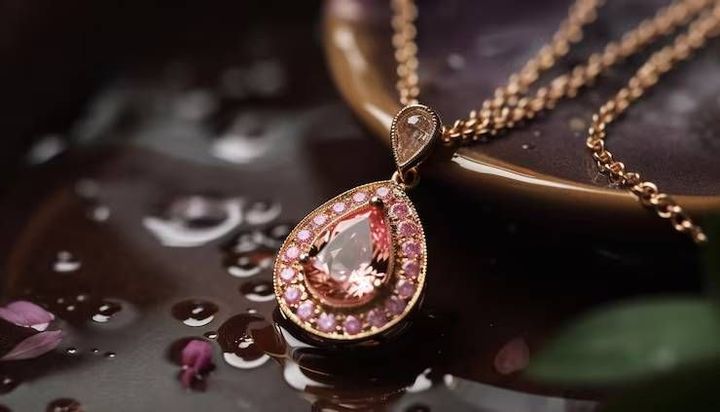
Gemstone Pendants: Discover Stone Cuts, Settings, Colors, and Jewellery Styles
Gemstone pendants are pieces of jewelry that feature a natural or laboratory-created gemstone suspended from a chain, cord, or necklace.
They combine decorative design with the physical characteristics of gemstones, including color, transparency, hardness, and optical effects. Depending on the materials used, a pendant may contain a single gemstone, several stones, or a gemstone surrounded by decorative metalwork.
Pendants have a long history in human culture. Archaeological discoveries show that people have worn decorative stones, shells, and other natural materials for thousands of years. Over time, improved cutting techniques, metalworking, and gemstone identification methods have expanded the range of available designs.
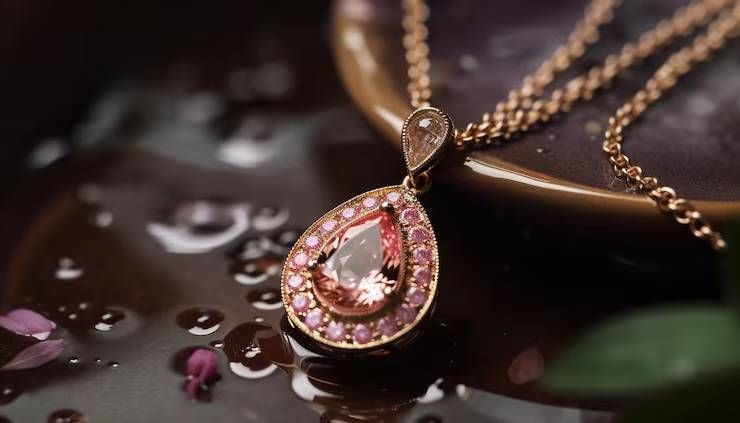
Today, gemstone pendants are made with materials such as diamonds, emeralds, rubies, sapphires, amethysts, garnets, pearls, and turquoise. Each material has distinct physical properties that influence its appearance, durability, and care requirements.
Modern gemstone jewelry includes traditional craftsmanship and computer-assisted design. Jewelry designers use these techniques to develop settings that protect stones while highlighting their natural characteristics. Understanding gemstone types, quality factors, and jewelry construction helps consumers make informed decisions about personal jewelry and long-term care.
Why Gemstone Pendants Matter Today
Gemstone pendants have cultural, decorative, and personal significance. Some people wear them to complement clothing, while others associate particular stones with family traditions, special occasions, or personal memories. Certain gemstones also have historical connections to regional craftsmanship and cultural heritage.
The jewelry industry serves several groups, including consumers, designers, gemstone cutters, jewelers, manufacturers, laboratories, and retailers. Accurate gemstone information helps these groups communicate clearly about materials, authenticity, durability, and maintenance.
Several practical considerations explain why gemstone knowledge remains important.
Material identification: Natural gemstones, laboratory-created stones, and imitations can look similar but differ in origin and composition.
Durability: Hardness, toughness, and resistance to chemicals affect how a pendant performs during everyday use.
Design suitability: Gemstone shape, size, and transparency influence the setting and overall appearance.
Maintenance: Different stones require different cleaning methods and storage conditions.
Documentation: Reliable records can help establish gemstone identity, treatment history, and relevant quality characteristics.
Gemstone pendants also reflect broader developments in jewelry manufacturing. Digital modeling allows designers to examine proportions before producing a setting, while modern gemological instruments help specialists distinguish between materials that may appear similar to the naked eye.
Understanding these factors is useful for anyone interested in jewelry design, gemstone collecting, personal adornment, or the responsible use of precious materials.
Popular Types of Gemstone Pendants
The choice of gemstone influences a pendant's color, visual character, durability, and maintenance needs. Natural gemstones form through geological processes, while laboratory-created gemstones are produced under controlled conditions. Imitation stones are different materials designed to resemble gemstones.
Common gemstones used in pendant jewelry
Gemstone | Typical appearance | Important consideration |
|---|---|---|
Diamond | Colorless or colored | Hard, but can still chip under certain impacts |
Emerald | Green | Often contains inclusions and may require special care |
Ruby | Red to purplish red | Heat treatment is common |
Sapphire | Blue and other colors | Durability depends on the stone's condition and setting |
Amethyst | Purple | Prolonged sunlight may affect some stones |
Garnet | Red, green, orange, and other colors | Properties vary by garnet variety |
Turquoise | Blue to green | Some specimens are porous or treated |
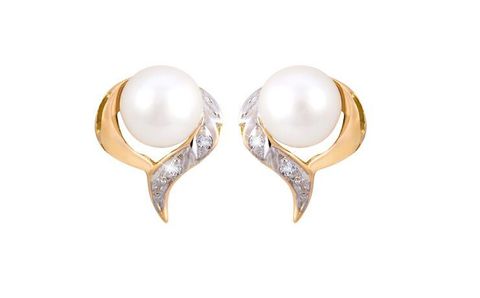
Pearl | White, cream, pink, or other shades | Sensitive to chemicals, heat, and abrasion |
Gemstone characteristics can vary considerably within the same category. Color alone does not establish authenticity, origin, or quality. Laboratory identification may be necessary when these details matter.
Gemstone Pendant Designs and Settings
Pendant design combines the gemstone's shape with the metal, setting, and intended use. Common designs include traditional single-stone pendants, geometric forms, floral patterns, and contemporary minimalist pieces.
Common pendant setting styles
Prong setting: Small metal claws hold the gemstone in place while exposing much of its surface to light.
Bezel setting: A metal rim surrounds the gemstone's edge and can offer additional protection against impacts.
Halo setting: Smaller stones surround a central gemstone, creating a layered appearance.
Three-stone setting: Three gemstones are arranged together, often with a central stone as the focal point.
Cluster setting: Multiple stones are grouped into a single decorative composition.
Pavé setting: Small gemstones are placed closely together in a metal surface.
The best setting depends on gemstone hardness, toughness, shape, size, and possible cleavage planes. A stone's hardness measures resistance to scratching, whereas toughness describes its resistance to breaking or chipping. These properties are not interchangeable.
Pendant weight and chain construction also matter. A heavy pendant may require a stronger chain and a suitable bail, which is the loop connecting the pendant to the chain. Secure construction helps reduce the risk of accidental loss.
Factors That Influence Gemstone Quality
Gemstone evaluation considers several characteristics rather than a single universal grading system. The relative importance of each factor varies by gemstone species and the purpose of the assessment.
Color: Hue, tone, and saturation influence the appearance of colored gemstones.
Clarity: Natural inclusions and surface blemishes can affect transparency and visual appeal.
Cut: Proportions and polishing influence how a gemstone reflects and transmits light.
Carat weight: This measures gemstone mass, not its dimensions or overall quality.
Origin: Geographic origin may sometimes be determined by a laboratory, but it cannot always be established conclusively.
Treatment: Heating, filling, dyeing, irradiation, and other processes may change a stone's appearance or durability.
Natural or laboratory-created status: These describe different formation processes and should be identified accurately.
Natural inclusions are not automatically evidence of poor quality or proof of authenticity. Likewise, a clear or visually attractive gemstone is not necessarily natural. Professional gemological testing can help establish identity and detect certain treatments.
Recent Developments and Trends in Gemstone Pendants
Gemstone jewelry continues to reflect changing design preferences, material research, and consumer interest in distinctive colors and textures.
A notable development reported on October 6, 2026, was renewed interest in ornamental stones such as lapis lazuli, moonstone, turquoise, and rock crystal in fine jewelry. Designers have been incorporating these materials as focal points rather than treating them only as secondary decorative elements. The trend also includes combinations of contrasting textures, transparent stones, and different mineral surfaces.
Other developments include the following:
Improved gemstone identification: Laboratories continue researching analytical techniques to distinguish natural stones from laboratory-created materials and identify treatments.
Digital jewelry design: Computer-aided design and three-dimensional modeling allow designers to test proportions and setting structures before production.
Greater material transparency: Clear descriptions of gemstone origin, treatment, and laboratory-created status help consumers understand what a piece contains.
Individualized designs: Asymmetrical arrangements, mixed colors, and less-common ornamental stones provide alternatives to traditional single-stone designs.
On September 30, 2025, the Gemological Institute of America published an explanation of how colored gemstones are examined using optical instruments, microscopy, and advanced analytical techniques. The process illustrates how gemstone identification increasingly combines specialist observation with scientific testing.
These developments do not mean that every new design is more durable or that every gemstone can be authenticated using a simple visual inspection. Material-specific assessment remains important.
Laws and Policies Affecting Gemstone Pendants in India
Gemstone pendants are affected by rules concerning precious-metal purity, consumer protection, product descriptions, and trade practices. The applicable requirements depend on the materials used and how the jewelry is represented.
Bureau of Indian Standards (BIS) hallmarking
The BIS hallmarking framework covers specified gold and silver jewelry and artefacts. For gold jewelry covered by mandatory hallmarking requirements, the hallmark generally includes the BIS mark, the purity grade, and a six-character alphanumeric Hallmark Unique Identification (HUID) number. The framework includes specified exemptions and district-based coverage, so the applicable requirements should be checked.
A hallmark confirms precious-metal purity; it does not independently certify the identity, natural origin, or quality of the gemstone set in a pendant.
Consumer Protection Act, 2019
India's consumer protection framework addresses misleading representations and unfair trade practices. Jewelry descriptions should accurately identify the materials and avoid unsupported claims about gemstone authenticity, origin, treatments, or other characteristics. The Department of Consumer Affairs also publishes guidelines addressing misleading advertisements.
Frequently Asked Questions
1. What is the difference between natural and laboratory-created gemstone pendants?
Natural gemstones form through geological processes, whereas laboratory-created gemstones are produced under controlled conditions. Both may have similar chemical and physical properties, depending on the material. Imitation stones are different materials that resemble gemstones.
2. Which gemstones are suitable for everyday pendant jewelry?
Diamonds and sapphires are generally resistant to scratching, but every gemstone can be damaged under certain conditions. Emeralds, pearls, opals, and turquoise may require additional care. Suitability also depends on the setting, the stone's condition, and how frequently the pendant is worn.
3. Does a gold hallmark prove that a gemstone is genuine?
No. A gold hallmark indicates information about the precious metal's purity under the applicable hallmarking system. It does not establish whether the gemstone is natural, laboratory-created, treated, or correctly identified. Gemstone identification may require a separate laboratory report.
4. How should gemstone pendants be cleaned?
For many gemstones, gentle cleaning with lukewarm water, mild soap, and a soft cloth is appropriate. However, pearls, opals, porous stones, and treated gemstones may need different methods. Avoid harsh chemicals, excessive heat, and abrasive materials, and follow specific care guidance for the stone.
5. What should a gemstone identification report contain?
Depending on the laboratory and report type, it may identify the gemstone species and variety, describe its shape, measurements and color, indicate whether it is natural or laboratory-created, and disclose detectable treatments. Geographic origin may also be assessed for certain stones when the laboratory offers that service. A report's scope should be reviewed before relying on it.
Conclusion
Gemstone pendants combine mineral characteristics, jewelry craftsmanship, cultural traditions, and personal design preferences. Understanding gemstone types, settings, durability, and treatments helps people evaluate jewelry more accurately and care for it appropriately.
Scientific identification tools and independent gemological reports can clarify a gemstone's characteristics, while precious-metal hallmarking and consumer protection rules support transparency in the jewelry market. By considering both the gemstone and its setting, individuals can make informed decisions about jewelry selection, maintenance, and long-term preservation.