Farm Stay Tourism: Explore Rural Experiences, Activities, and Key Information
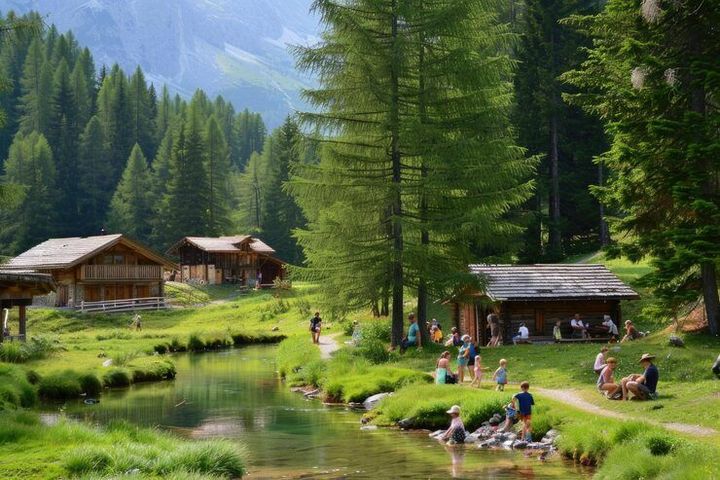
Farm stay tourism is a form of rural travel in which visitors stay on working farms, agricultural properties, ranches, vineyards, orchards, or countryside estates. The experience can combine accommodation with opportunities to observe farming, explore rural landscapes, participate in suitable agricultural activities, and learn about local food production.
Unlike conventional accommodation in urban areas, a farm stay can provide direct exposure to agricultural environments. Activities vary considerably depending on the location, season, farm type, and local traditions.
How Farm Stay Tourism Developed
Farm-based accommodation developed partly from the need to diversify rural economies and provide visitors with access to countryside environments. In many regions, farmers have adapted existing buildings, guest rooms, cottages, or small lodges for visitors.
The concept has expanded alongside interest in rural travel, local food, nature-based activities, cultural experiences, and agricultural education. Today, farm stays can range from simple countryside accommodation to structured experiences involving livestock, crops, cooking, crafts, conservation, or vineyard activities.
Main Types of Farm Stay Tourism
Farm stay tourism can take several forms:
Working farm stays: Visitors stay on active agricultural properties and may observe routine farming activities.
Livestock farm stays: These focus on animals such as cattle, sheep, goats, horses, poultry, or alpacas.
Crop and orchard stays: Guests may learn about fruit, vegetables, grains, herbs, or other crops.
Vineyard and winery stays: Rural accommodation can be combined with vineyard landscapes and information about grape cultivation.
Eco-farm stays: These emphasize conservation, renewable energy, water management, organic methods, or biodiversity.
Family farm stays: These often include child-friendly agricultural activities and educational experiences.
Agritourism estates: Larger rural properties may combine accommodation, food production, demonstrations, cultural activities, and outdoor recreation.
A simple example is a family staying at a working dairy farm. During the visit, they may see livestock areas, learn about milk production, walk around the farm, and participate in a supervised activity appropriate to the season.
Importance
Why Farm Stay Tourism Matters
Farm stay tourism can connect rural communities with visitors while giving travelers a closer understanding of agriculture and countryside life. It can also create opportunities for farmers to diversify their activities beyond conventional agricultural production.
For visitors, the experience can provide direct exposure to food production, rural landscapes, local traditions, and seasonal agricultural work. The educational element can be particularly useful for people who have limited contact with farming in their everyday lives.
The United Nations World Tourism Organization recognizes rural tourism as an important area involving rural experiences, nature, culture, agriculture, and community-based activities. Its rural tourism framework emphasizes local resources and community participation. (unwto.org)
Who Uses Farm Stay Tourism
Farm stay tourism attracts different types of visitors, including:
Families: Rural properties can provide outdoor activities and opportunities for children to learn about agriculture.
Nature travelers: Farms can provide access to countryside landscapes, wildlife habitats, forests, rivers, or mountains.
Food-focused travelers: Visitors may learn about crops, livestock, local ingredients, and traditional food production.
Students and educational groups: Agricultural properties can demonstrate farming processes in practical settings.
Couples and individual travelers: Rural accommodation can provide access to quieter landscapes and seasonal activities.
Cultural travelers: Farm stays can introduce local traditions, crafts, food, architecture, and rural lifestyles.
Common Farm Stay Activities
Activities depend on the farm and local regulations. Examples can include:
Animal observation and supervised feeding
Crop harvesting during appropriate seasons
Gardening and planting activities
Walking and cycling around rural areas
Cooking demonstrations using local ingredients
Farm machinery demonstrations
Beekeeping education
Horse-related activities
Orchard or vineyard visits
Local craft demonstrations
Birdwatching and nature observation
Not every activity is available at every property. Farming schedules, weather, animal welfare requirements, seasonal conditions, and safety considerations can affect visitor participation.
Main Benefits and Challenges
Farm stay tourism can provide educational, cultural, environmental, and economic functions. It can help visitors understand agricultural systems while giving rural properties another way to engage with the tourism economy.
However, several challenges need consideration. Working farms contain machinery, animals, uneven surfaces, water bodies, chemicals, electrical equipment, and other potential hazards. Visitor management therefore needs to consider safety, insurance, accessibility, animal welfare, privacy, and agricultural operations.
Comparing Farm Stay Types
| Farm Stay Type | Main Setting | Typical Experiences | Important Consideration |
|---|---|---|---|
| Livestock Farm | Animal farms and ranches | Animal observation, feeding, farm routines | Animal welfare and safety |
| Crop Farm | Fields and gardens | Planting, harvesting, crop education | Seasonal availability |
| Orchard Farm | Fruit-growing areas | Orchard walks, harvesting | Weather and harvest periods |
| Vineyard Stay | Vineyards | Grape cultivation, landscape tours | Local agricultural regulations |
| Eco-Farm | Sustainable farms | Conservation, renewable energy, biodiversity | Environmental practices |
| Family Farm | Mixed agricultural setting | Educational and outdoor activities | Child safety |
| Agritourism Estate | Larger rural property | Farming, food, culture, recreation | Visitor management |
Recent Updates
Digital Farm Experiences
From 2024 through 2026, digital tools have continued to influence rural tourism and agricultural education. Farm operators can use websites, online booking systems, digital maps, virtual tours, multilingual information, and mobile communication tools to explain activities and manage visitor information.
Digital interpretation can also introduce visitors to farming practices before arrival. Videos, interactive maps, photographs, and seasonal calendars can explain what visitors may encounter without requiring additional physical infrastructure.
Smart Agriculture and Visitor Education
Agricultural technology is changing the environments that visitors encounter. Precision agriculture can use GPS, sensors, satellite information, drones, automated machinery, and farm management software to monitor crops and resources.
These technologies can become part of educational farm experiences. For example, a visitor may see how soil sensors measure conditions or how satellite data supports crop monitoring. The technology itself is primarily designed for agricultural management, but it can also help explain modern farming.
Sustainability and Rural Tourism
Environmental management has become increasingly relevant to rural tourism. Farm properties may incorporate water conservation, renewable energy, biodiversity protection, waste reduction, soil management, or locally sourced food into their visitor experiences.
The Food and Agriculture Organization of the United Nations has continued to highlight the relationship between sustainable agriculture, rural development, food systems, and local communities. Such developments can influence how agricultural tourism is planned and presented. (fao.org)
Changing Visitor Expectations
Rural travelers increasingly encounter experiences that combine accommodation with food, nature, culture, education, and outdoor activities. Digital information also allows visitors to understand seasonal conditions and activity requirements before arrival.
At the same time, farm stays remain dependent on agricultural realities. Weather, harvest schedules, animal care, crop cycles, and farm workloads can change the visitor experience from one season to another.
Laws or Policies
Tourism and Accommodation Regulations
Farm stay tourism does not operate under one universal international law. Accommodation, food preparation, building use, fire safety, sanitation, accessibility, insurance, and visitor protection requirements can vary by country and local jurisdiction.
A farm converting agricultural buildings into visitor accommodation may therefore need to comply with local planning and building requirements. Some regions distinguish between agricultural activity and tourism accommodation, while others have specific frameworks for rural or agritourism properties.
Food and Animal Regulations
Where visitors participate in food preparation or consume farm-produced food, local food safety rules may apply. Requirements can cover hygiene, processing, labeling, storage, and handling.
Animal-related activities can also be subject to animal welfare and public safety rules. Visitors may be restricted from particular areas or activities when contact could create risks for people or animals.
Environmental and Heritage Requirements
Some farms are located within protected landscapes, conservation areas, historic properties, or environmentally sensitive locations. Additional requirements may apply to construction, land use, water resources, wildlife protection, waste management, or landscape conservation.
Because these requirements vary significantly, farm operators and visitors need to follow the rules established by the relevant national, regional, and local authorities.
Tools and Resources
Farm Management and Tourism Software
Farm operators can use digital systems to manage reservations, calendars, visitor information, payments, communications, and accommodation records. Agricultural management software can separately support crop planning, livestock records, field monitoring, and resource management.
Mapping and Navigation Tools
Digital maps can help visitors understand rural routes, nearby attractions, walking paths, transportation options, and property boundaries. Offline mapping can be particularly useful in rural locations where mobile connectivity is limited.
Agricultural Monitoring Technology
Modern farms may use soil sensors, weather stations, GPS systems, drones, satellite imagery, automated equipment, and farm management platforms. These tools can monitor crop conditions, weather patterns, irrigation requirements, livestock activity, or field conditions.
Educational Resources
Agricultural universities, government agriculture departments, museums, international organizations, and farming associations can provide educational information about crops, livestock, rural economies, conservation, and food systems.
The FAO provides global agricultural information and resources covering farming, food systems, rural development, biodiversity, and sustainable agriculture. (fao.org)
FAQs
What is farm stay tourism?
Farm stay tourism involves staying on a working farm or rural agricultural property while experiencing the surrounding countryside and, where available, participating in educational or supervised farming activities.
What activities are available in farm stay tourism?
Farm stay tourism activities can include animal observation, crop harvesting, gardening, cooking demonstrations, nature walks, cycling, vineyard visits, beekeeping education, and agricultural demonstrations. Activities vary by property and season.
Is farm stay tourism suitable for families?
Farm stay tourism can be suitable for families when a property provides appropriate accommodation, supervised activities, and clear safety arrangements. Parents should check age requirements and activity restrictions before participation.
How does farm stay tourism support rural areas?
Farm stay tourism can connect rural communities with visitors and provide an additional tourism-related activity alongside agriculture. It can also introduce visitors to local food, traditions, landscapes, and agricultural practices.
How is technology changing farm stay tourism?
Technology can support digital reservations, mapping, virtual interpretation, agricultural monitoring, visitor communication, and educational experiences. Smart farming tools such as sensors, GPS, drones, and satellite data can also demonstrate how modern agriculture operates.
Conclusion
Farm stay tourism connects visitors with agricultural landscapes, rural communities, food production, and countryside activities. Experiences can range from livestock and crop farms to eco-farms, orchards, vineyards, and larger agritourism properties. Digital tools and smart agriculture are adding new educational possibilities, while safety, animal welfare, environmental protection, and local regulations remain important considerations. The result is a tourism format that combines accommodation with direct exposure to rural environments and agricultural practices.