Fancy Colored Diamonds: Learn About Pink, Blue, Yellow, and Other Unique Hues
Fancy colored diamonds display natural or treated hues such as pink, blue, yellow, green, red, and brown. Explore their color grades, diamond shapes, treatments, documentation, and jewelry applications.
Context
Understanding Fancy Colored Diamonds
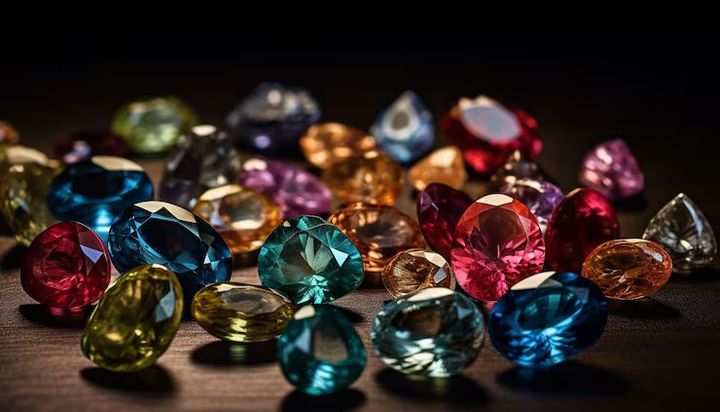
Fancy colored diamonds are diamonds whose visible color falls outside the normal D-to-Z color range or displays a hue other than the usual color range. They can appear in shades including pink, blue, yellow, green, red, orange, brown, gray, black, and white.
Unlike conventional diamonds, where less visible color is generally associated with higher color grades, fancy colored diamonds are evaluated primarily according to the character and strength of their color. GIA describes color through three important factors: hue, tone, and saturation.
Hue, Tone, and Saturation
Hue identifies the characteristic color of the diamond, such as pink, blue, yellow, or green.
Tone describes how light or dark the color appears.
Saturation indicates the strength or intensity of the color.
These characteristics work together to determine the diamond's overall color appearance. GIA's colored-diamond grading system uses grades such as Fancy Light, Fancy, Fancy Intense, Fancy Vivid, Fancy Deep, and Fancy Dark, depending on the diamond's color characteristics.
Natural and Treated Color
A diamond's color can occur naturally or result from a treatment.
Natural color develops through conditions within the diamond's crystal structure. Certain elements, structural features, or other natural characteristics can influence the visible hue.
Color treatments can intentionally alter or intensify a diamond's appearance. Because treatment can affect the origin of the color, documentation should clearly identify whether the color is natural or treated.
GIA colored diamond reports can identify color origin as natural or treated for applicable stones.
Why Color Matters
Color is generally the dominant quality factor for fancy colored diamonds.
Small differences in hue, tone, and saturation can significantly change the appearance of two diamonds that have similar carat weights and shapes. This makes color assessment more specialized than simply applying the conventional D-to-Z color scale.
Importance
Pink Diamonds
Pink diamonds are among the most recognized fancy colored diamonds.
Their colors can range from delicate pink to stronger saturated shades. Pink diamonds may also contain modifying hues such as purple, orange, brown, or gray.
Pure pinks are particularly distinctive, while modified colors create additional variations within the pink category. GIA notes that pink diamonds are among the rarer fancy colors and that subtle differences in color can have a major effect on their characteristics.
Blue Diamonds
Blue diamonds are strongly associated with the presence of boron within the diamond structure.
Their appearance can range from lighter blue to deeper shades, often with a gray component. Strongly saturated blue diamonds are exceptionally uncommon.
The relationship between boron concentration and blue color is an important part of diamond science. GIA notes that increasing boron content can contribute to deeper blue coloration.
Yellow Diamonds
Yellow is one of the more common fancy diamond colors.
A yellow diamond can display different levels of tone and saturation. The term "canary" is sometimes used in jewelry discussions for strongly colored yellow diamonds, although GIA identifies it as a trade term rather than a formal grading term.
Yellow diamonds can be particularly effective in radiant and other fancy shapes because certain cutting styles can influence the apparent intensity of color.
Green Diamonds
Green diamonds have a distinctive appearance and can range from subtle green to stronger hues.
Natural green color is often associated with radiation-related changes affecting the diamond near its surface. In many green diamonds, the color does not extend uniformly throughout the entire stone.
Because natural green color can be unusual and technically complex, professional examination and appropriate documentation are particularly important.
Red Diamonds
Red diamonds are among the rarest naturally occurring diamond colors.
They can show pure red or reddish modifying hues. Their rarity means that even relatively small stones can attract significant attention within the colored-diamond market.
GIA describes red diamonds as exceptionally rare, with only a small number of known examples.
Orange Diamonds
Orange diamonds range from soft orange to more saturated shades.
They can also contain modifying colors, including yellow, pink, or brown. A pure orange appearance can be visually distinctive, while modified orange diamonds create additional color combinations.
Brown Diamonds
Brown diamonds are found in a broad range of tones.
They can appear in warm golden, reddish, yellowish, or other modified shades. Brown diamonds have also been incorporated into contemporary jewelry designs and can create a warm contrast when paired with colorless or other colored diamonds.
Other Fancy Colors
Fancy colored diamonds can also appear in:
Purple
Gray
Black
White
Violet
Greenish yellow
Orangy pink
Bluish gray
Reddish brown
GIA recognizes a broad range of fancy-color hues and uses specialized grading terminology to describe their characteristics.
Comparison of Common Colors
| Diamond Color | Main Characteristic | Typical Design Direction |
|---|---|---|
| Pink | Soft to saturated pink | Romantic and refined |
| Blue | Blue with possible gray modifier | Cool and distinctive |
| Yellow | Warm yellow tones | Bright and expressive |
| Green | Green with varying saturation | Natural and unusual |
| Red | Strong red or reddish hue | Rare and dramatic |
| Orange | Orange with possible modifiers | Warm and vibrant |
| Brown | Warm brown and modified shades | Earthy and contemporary |
| Gray | Gray with different tones | Modern and understated |
| Black | Opaque or very dark appearance | Bold and contrasting |
| White | Milky or opalescent appearance | Soft and unusual |
Recent Updates
Greater Interest in Distinctive Colors
Contemporary jewelry continues to place greater attention on distinctive gemstone colors and individualized designs.
Fancy colored diamonds fit this direction because the center stone can become the primary design feature rather than relying only on traditional colorless diamond styling.
The growing interest in unusual colors also creates more opportunities to combine colored diamonds with different metals, accent stones, and nontraditional settings.
Elongated Diamond Shapes
Fancy colored diamonds are frequently cut into shapes that help emphasize their color.
Radiant, cushion, oval, pear, and other fancy shapes can provide broad face-up surfaces and distinctive outlines. GIA notes that certain cutting styles can help intensify apparent color, particularly in yellow diamonds.
Color-Focused Cutting
For conventional diamonds, cutting is often strongly associated with light return and brilliance.
For fancy colored diamonds, the cutter may prioritize color intensity and face-up appearance. The shape, pavilion depth, proportions, and arrangement of facets can influence how the color is perceived.
GIA notes that colored diamonds are generally cut to maximize attractive color rather than simply maximize light return.
Individualized Jewelry Designs
Fancy colored diamonds can support highly individualized ring and jewelry designs.
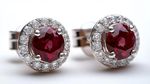
A pink center diamond may be surrounded by colorless accent diamonds, while a yellow diamond may be paired with yellow gold. Blue diamonds can create contrast with platinum or white-metal settings.
The choice of metal and surrounding stones can either emphasize the diamond's hue or create deliberate color contrast.
Vintage-Inspired Settings
Colored diamonds are increasingly compatible with vintage-inspired jewelry structures.
Halo arrangements, milgrain details, engraved bands, cluster settings, and geometric Art Deco references can create a strong relationship between the stone's color and the overall design.
Mixed-Color Diamond Arrangements
Jewelry designers can combine several diamond colors within one piece.
For example, a yellow center diamond can be surrounded by colorless diamonds, while pink and blue accent diamonds can be used as smaller decorative elements.
Mixed-color arrangements allow designers to create contrast without changing the fundamental diamond structure.
Laboratory-Grown Colored Diamonds
Laboratory-grown diamonds can also display colors, including pink, blue, yellow, and other hues.
The origin of the diamond and the origin of its color are separate considerations. A laboratory-grown diamond may have color created through manufacturing conditions or treatments, depending on the stone.
Jewelry descriptions should clearly distinguish laboratory-grown diamonds from natural diamonds and accurately identify relevant treatments.
Advanced Documentation
Modern colored-diamond reports can provide detailed information about color characteristics and origin.
GIA's colored diamond reporting system includes reports that document color grade, color origin, carat weight, clarity, plotted characteristics, and imagery. Certain reports can also document geographic origin for eligible natural diamonds.
Laws or Policies
Accurate Diamond Descriptions
Diamond descriptions should accurately identify the type, characteristics, and origin of the stone.
This is particularly important for fancy colored diamonds because natural color, treated color, and laboratory-grown origin can represent different characteristics.
Jewelry documentation should not imply that a treated color is naturally occurring when the available documentation identifies a treatment.
Color Treatment Disclosure
Color treatments can alter the appearance of diamonds.
Depending on the treatment, the stone may have different care considerations and documentation requirements. A grading report can help establish whether the color is natural or treated.
GIA's colored diamond reports specifically include color-origin information for applicable diamonds.
Diamond Grading Reports
A professional grading report can document important characteristics such as:
Color grade
Color origin
Hue
Tone
Saturation
Carat weight
Clarity
Polish
Symmetry
Measurements
Plotted characteristics
The type of report depends on the diamond and the information being documented.
Jewelry Standards in India
For jewelry containing gold, applicable BIS hallmarking requirements should be considered.
BIS hallmarking identifies the purity or fineness of precious-metal articles under India's applicable framework. Diamond grading and metal hallmarking address different aspects of a jewelry piece.
A diamond report describes the gemstone, while a hallmark relates to the precious-metal component.
Laboratory-Grown Diamond Identification
When a colored diamond is laboratory-grown, its description should clearly identify its laboratory-grown origin.
Natural diamonds, laboratory-grown diamonds, treated diamonds, and diamond simulants are distinct categories and should not be described interchangeably.
Consumer Documentation
Useful documentation for a fancy colored diamond can include a grading report, treatment information where applicable, carat weight, measurements, and identifying details.
For a significant colored diamond, maintaining the report with other jewelry records can help preserve accurate information about the stone over time.
Tools and Resources
Colored Diamond Grading Reports
A specialized colored diamond grading report can provide more relevant information than relying only on a conventional color scale.
Important report fields can include hue, tone, saturation, color grade, color origin, clarity, carat weight, and plotted characteristics.
Color Comparison
Comparing diamonds under consistent lighting can help demonstrate differences in hue and saturation.
However, professional grading uses controlled conditions and trained graders. GIA describes fancy-color grading as a specialized process because even small color differences can affect classification.
Diamond Shape Selection
The shape can influence how a fancy color diamond appears.
| Shape | General Design Character | Color Consideration |
|---|---|---|
| Radiant | Angular and brilliant-style | Can emphasize yellow tones |
| Cushion | Soft and broad | Strong face-up color |
| Oval | Elongated | Elegant color display |
| Pear | Directional | Distinctive outline |
| Emerald | Linear | Structured appearance |
| Round | Symmetrical | Traditional profile |
| Marquise | Long and pointed | Elongated color presentation |
Jewelry Setting
The setting can either complement or contrast with the diamond's color.
Yellow gold can reinforce warm yellow or orange hues. White metals can create contrast around pink, blue, green, or yellow diamonds.
Halo settings can also use colorless accent diamonds to frame a colored center stone.
Care and Handling
Fancy colored diamonds should be cared for according to their specific characteristics and any applicable treatment.
GIA recommends attention to durability, care, cleaning, and treatment considerations for colored diamonds. Sudden temperature changes can create or extend fractures in certain diamonds, while treatment may influence appropriate care methods.
Report Verification
A report number can be checked against the issuing laboratory's database where an online verification system is available.
GIA provides report verification resources for its diamond documentation. Matching the report information with the physical diamond can help maintain accurate records.
Design Planning
A practical planning sequence can include:
Identify the preferred diamond color.
Compare hue, tone, and saturation.
Determine whether the color is natural or treated.
Review the grading documentation.
Select the diamond shape.
Consider the metal.
Select the setting.
Compare accent-stone colors.
Review care requirements.
Keep the grading report with the jewelry records.
FAQs
What are fancy colored diamonds?
Fancy colored diamonds are diamonds with visible colors outside the normal D-to-Z color range or diamonds displaying hues such as pink, blue, green, red, or other distinctive colors. Their color is evaluated using specialized grading methods.
What are the main fancy colored diamond colors?
Common categories include pink, blue, yellow, green, brown, orange, gray, black, and white, while rarer hues include red and certain combinations of modified colors.
How are fancy colored diamonds graded?
Fancy colored diamonds are evaluated according to characteristics such as hue, tone, and saturation. GIA's grading terminology includes Fancy Light, Fancy, Fancy Intense, Fancy Vivid, Fancy Deep, and Fancy Dark.
Are pink and blue diamonds different from yellow diamonds?
Yes. Different diamond colors can have different levels of rarity, color origin, saturation ranges, and modifying hues. Pink and blue diamonds are generally much less common than yellow and brown fancy colors.
Can fancy colored diamonds be treated?
Yes. Diamond treatments can alter or intensify color. Documentation should identify the relevant color origin, and GIA colored diamond reports can distinguish natural from treated color for applicable stones.
Conclusion
Fancy colored diamonds provide a broad spectrum of hues ranging from pink, blue, and yellow to green, red, orange, brown, gray, black, and white. Unlike conventional diamonds, their evaluation places particular emphasis on hue, tone, saturation, and color origin. Current jewelry design also uses distinctive shapes, mixed colors, vintage-inspired settings, and contrasting metals to highlight these stones. Professional grading documentation and accurate identification of natural, treated, or laboratory-grown origin are important when evaluating a fancy colored diamond.