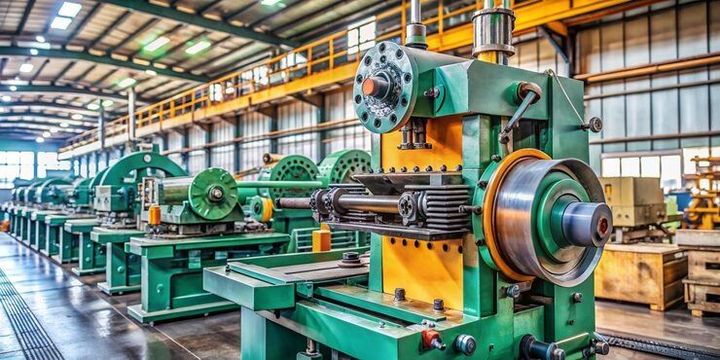
Extrusion Machines: Tips for Understanding Extrusion Technology
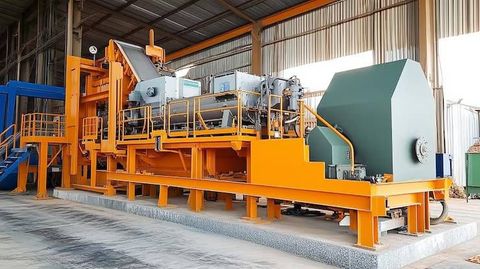
Extrusion machines are industrial processing systems used to transform materials into continuous products with a defined cross-sectional shape. In plastics processing, an extrusion machine generally melts polymer material and pushes it through a die to create products such as pipes, sheets, films, profiles, tubes, and insulation.
The basic extrusion process involves feeding raw material into a heated barrel, melting or softening it, transporting the material with a screw, and forcing the melt through a die. The extruded product is then cooled, calibrated, pulled, and cut or wound according to the application.
Extrusion technology is used across packaging, construction, automotive components, electrical products, agriculture, medical products, and general plastic processing.
Basic Extrusion Process
A typical plastic extrusion line follows several stages:
- Material feeding – Polymer pellets, powder, flakes, or other suitable feedstock enter the hopper.
- Conveying – A rotating screw moves the material through the barrel.
- Heating and melting – Controlled barrel temperatures soften or melt the polymer.
- Mixing and homogenization – The screw helps produce a more uniform melt.
- Pressure development – The screw generates pressure to move the melt toward the die.
- Die forming – The material passes through a die that determines the basic product shape.
- Cooling or calibration – The emerging product is cooled and stabilized.
- Haul-off – Rollers or other pulling equipment control product movement.
- Cutting or winding – The finished continuous product is cut into sections or wound into rolls.
The exact configuration varies according to the polymer, product geometry, output requirements, and downstream process.
Main Types of Extrusion Machines
Several extrusion machine configurations are used in industry.
Single-screw extruders are widely used for relatively straightforward melting, conveying, and forming processes.
Twin-screw extruders use two screws and provide greater mixing and processing flexibility. They are frequently used for compounding, material blending, additives, and specialized polymer formulations.
Film extrusion machines produce thin plastic films and may use blown-film or cast-film configurations.
Sheet extrusion machines produce continuous plastic sheets that can later undergo thermoforming or other processes.
Pipe extrusion machines are designed for continuous production of pipes and tubes.
Profile extrusion machines produce products with customized cross-sectional shapes, such as seals, channels, strips, and construction profiles.
Cable extrusion machines apply polymer insulation or sheathing around electrical conductors.
Importance
Understanding the key features of extrusion machines helps production teams match the equipment configuration with the material and finished-product requirements.
Screw Design
The screw is one of the central components of an extrusion system. Its geometry affects conveying, melting, mixing, pressure development, and output.
Important screw characteristics include:
- Screw diameter
- Screw length-to-diameter ratio
- Feed section
- Compression section
- Metering section
- Flight depth
- Screw speed
- Mixing elements
- Material compatibility
Different polymers can require different screw geometries. A screw designed for one material may not provide the same processing behavior with another.
Barrel and Heating System
The barrel surrounds the screw and normally contains multiple heating and cooling zones.
Temperature control is important because excessive or insufficient heat can influence melt viscosity, product dimensions, surface appearance, and material degradation.
Modern systems can use independent temperature zones with sensors and automatic controllers. Cooling may also be incorporated to prevent excessive temperature increases during continuous operation.
Die Design
The die determines the basic cross-sectional shape of the extruded product.
Different dies are used for:
- Films
- Sheets
- Pipes
- Tubes
- Profiles
- Coatings
- Filaments
- Composite products
Die design must account for melt flow, pressure distribution, material behavior, product dimensions, and cooling conditions.
Drive and Motor System
The motor and drive system rotate the extrusion screw. Variable-speed control allows operators to adjust screw speed according to the process.
Servo drives or modern variable-frequency drives can provide electronic control of motor operation. The appropriate drive configuration depends on machine size, material, output requirements, and process characteristics.
Melt Filtration
Melt filtration systems can remove unwanted particles or contaminants from polymer melt before the material reaches the die.
This feature is particularly relevant when processing recycled materials or feedstocks where contamination levels can vary.
Filtration systems may use screen packs, automatic screen changers, or other filtering technologies depending on the extrusion line.
Cooling and Calibration
After leaving the die, the extruded material usually requires controlled cooling.
For pipes and profiles, calibration equipment can help maintain dimensional accuracy while the material cools. Water tanks, air cooling, chill rolls, and other systems may be used according to the product type.
Haul-Off and Winding
The downstream pulling system controls the movement of the extruded product.
For films and sheets, winding equipment creates rolls. For pipes and profiles, haul-off units maintain controlled product speed before cutting or further processing.
Stable synchronization between extrusion speed and downstream equipment helps maintain consistent dimensions.
Automation and Process Control
Modern extrusion lines can include PLC-based controls, touchscreen HMIs, sensors, alarms, data logging, and automated recipe management.
Important process parameters may include:
- Barrel temperature
- Die temperature
- Screw speed
- Motor load
- Melt pressure
- Melt temperature
- Line speed
- Cooling temperature
- Product dimensions
- Energy consumption
Monitoring these variables can help operators identify process deviations and maintain repeatable production conditions.
Recent Updates
Extrusion technology continues to develop around automation, material efficiency, energy management, recycling, and improved process monitoring.
Advanced Process Monitoring
Modern extrusion systems increasingly use sensors and electronic controls to monitor temperature, pressure, speed, motor load, and other operating parameters.
Data collection can support process analysis and help identify variations that may otherwise be difficult to detect during continuous production.
Improved Energy Management
Extrusion involves heating, motor operation, cooling, and downstream equipment, making energy management an important consideration.
More efficient motors, improved barrel insulation, optimized heating zones, and coordinated machine controls can reduce unnecessary energy consumption.
Recycling-Oriented Extrusion
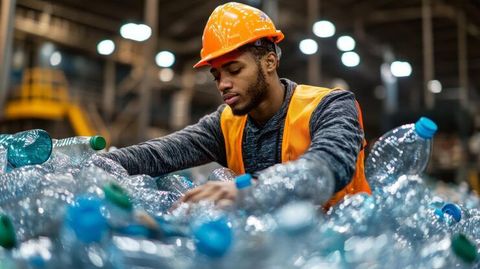
Extrusion technology is also important in plastic recycling. Recycled flakes or pellets can be processed through extrusion lines to create usable secondary raw material or finished products.
Melt filtration, degassing, material drying, and controlled feeding become particularly important when recycled feedstock contains moisture, contaminants, or varying material characteristics.
Digital Control
Digital controls are increasingly used for recipe management, alarm monitoring, process records, and production data.
Integration with plant-level monitoring systems can provide additional visibility into production parameters and energy use.
Material Flexibility
Extrusion systems are being developed for a wider range of materials, including recycled polymers, engineering plastics, polymer blends, and specialty compounds.
Twin-screw technology can be particularly useful where intensive mixing or compounding is required.
Laws or Policies
Extrusion operations in India can involve requirements relating to polymer materials, product standards, environmental management, and plastic-waste regulations.
BIS Standards for Extrusion Materials
The Bureau of Indian Standards maintains specifications for several polymer materials used in moulding and extrusion.
For example, IS 7328:2026 covers polyethylene materials for moulding and extrusion and is listed by BIS as a product specification with mandatory certification.
BIS also lists IS 10951:2020, covering polypropylene materials for moulding and extrusion. The standard was reviewed in 2024 and includes amendments, including a 2024 amendment.
The Department of Chemicals and Petrochemicals also lists 2025 Quality Control Order amendments relating to polypropylene materials for moulding and extrusion and polyethylene materials for moulding and extrusion.
Requirements can differ according to the polymer and intended application, so applicable standards should be checked before establishing product specifications.
Plastic Waste Management
Plastic extrusion can also be connected with India's Plastic Waste Management framework when recycled plastic or plastic packaging is involved.
The Central Pollution Control Board's national plastic-waste portal currently lists the Plastic Waste Management Rules and amendments through 2026.
India's plastic-packaging EPR framework covers areas including recycling, reuse, recycled plastic content, and end-of-life management. The CPCB's previous dedicated plastic EPR portal was discontinued on 28 June 2026, with registered data migrated to the Common EPR Portal.
Therefore, extrusion operations involving recycled plastic or packaging materials should consider the applicable CPCB, SPCB/PCC, BIS, and EPR requirements.
Tools and Resources
Several technical resources can help readers understand extrusion processes and evaluate machine performance.
Material Testing
Common material-related tests include:
- Melt flow rate or melt mass-flow rate
- Moisture measurement
- Density testing
- Thermal analysis
- Tensile testing
- Impact testing
- Dimensional testing
The appropriate testing method depends on the polymer and finished product.
Process Monitoring Equipment
Extrusion lines may use:
- Melt-pressure sensors
- Melt-temperature sensors
- Temperature controllers
- Screw-speed sensors
- Motor-load monitoring
- Thickness gauges
- Laser diameter gauges
- Energy meters
- PLC and HMI systems
These instruments provide process information that can support quality control and process optimization.
Die and Product Inspection
Finished products can be examined for dimensional accuracy, surface appearance, thickness, weight, and other application-specific characteristics.
For pipes, profiles, films, and sheets, continuous dimensional monitoring can be particularly useful because product geometry may change if temperature, pressure, screw speed, or cooling conditions fluctuate.
BIS Resources
The BIS standards portal provides access to Indian Standards and information about their status, revisions, amendments, and certification requirements. The BIS platform also provides a Know Your Standards function for searching standards by number or keyword.
FAQs
What is an extrusion machine?
An extrusion machine is industrial equipment that processes material through a die to create a continuous product with a defined cross-sectional shape.
How does a plastic extrusion machine work?
A plastic extrusion machine feeds polymer into a heated barrel, where a rotating screw conveys, melts, mixes, and pressurizes the material before pushing it through a die.
What are the main types of extrusion machines?
Common types include single-screw extruders, twin-screw extruders, film extrusion machines, sheet extrusion machines, pipe extrusion machines, profile extruders, and cable extrusion systems.
What are the key features of extrusion equipment?
Important features include screw design, barrel heating and cooling, drive control, die configuration, melt filtration, cooling, calibration, haul-off, winding, automation, and process monitoring.
Why is melt filtration important in plastic extrusion?
Melt filtration can remove unwanted particles and contaminants from polymer melt before forming. It can be particularly useful when processing recycled or variable-quality feedstock.
Conclusion
Extrusion machines provide a continuous method for processing polymers into films, sheets, pipes, profiles, tubes, coatings, and other products. Their performance depends on coordinated control of the screw, barrel, heating system, die, cooling equipment, drive system, and downstream machinery. Recent developments are emphasizing automation, process monitoring, energy management, recycled-material processing, and digital controls. Understanding these features provides a useful foundation for evaluating extrusion technology and its applications across modern manufacturing.