Cruise Ship Photography: Explore Photography Styles and Key Information
Cruise Ship Photography involves capturing the ship, passengers, destinations, onboard activities, landscapes, architecture, food, entertainment, and everyday moments during a cruise journey. It combines travel photography with maritime, lifestyle, portrait, architectural, and landscape photography.
A cruise ship creates a distinctive photographic environment because the scenery changes continuously. A single journey can provide opportunities to photograph open ocean, coastal landscapes, ports, historic buildings, beaches, wildlife, sunsets, restaurants, entertainment areas, and the ship itself.
Photography can be done with a smartphone, compact camera, mirrorless camera, DSLR, or action camera. The appropriate equipment depends on the type of images being created, personal experience, available space, and the conditions during the voyage.
Major Photography Styles
Landscape photography focuses on coastlines, islands, mountains, harbors, sunsets, and ocean views.
Architecture photography captures the exterior design of the vessel, atriums, staircases, balconies, restaurants, theaters, pools, and other architectural features.
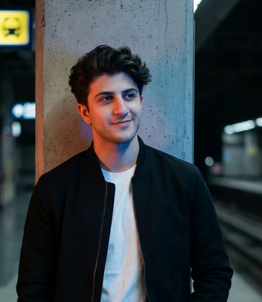
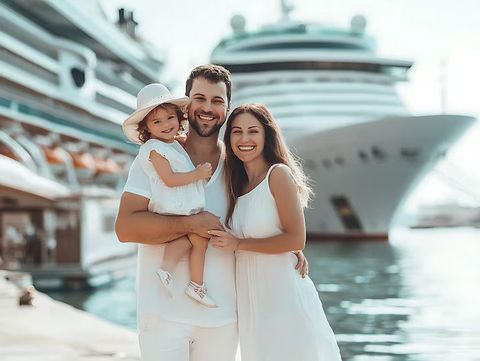
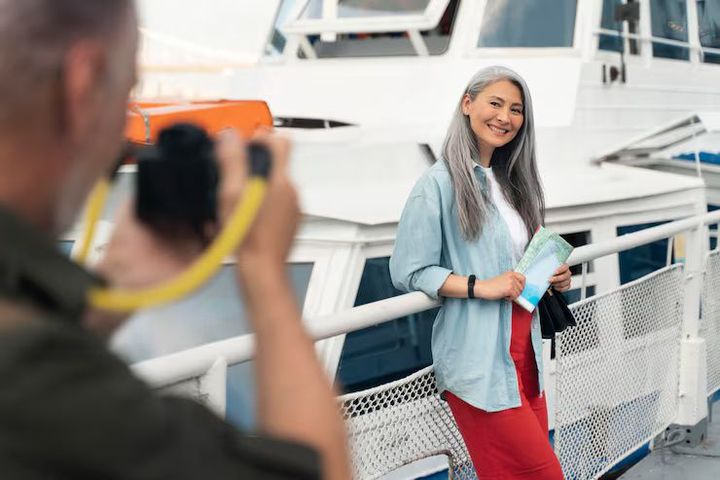
Portrait photography focuses on individuals, families, couples, or groups. Natural light near outdoor areas can create different results from indoor portraits.
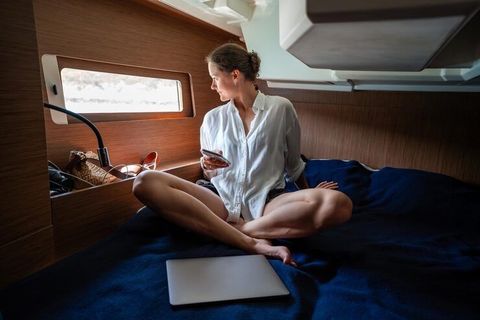
Lifestyle photography records everyday cruise experiences such as dining, walking on deck, entertainment, recreation, and relaxation.
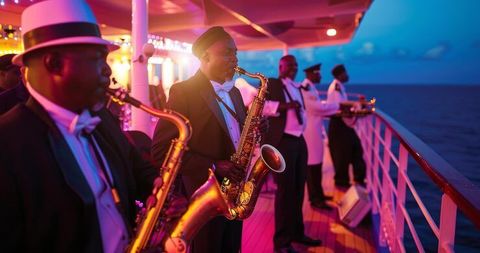
Night photography captures illuminated decks, city skylines, ports, evening entertainment areas, and reflections on the water.
Action photography can document sports, water activities, performances, or movement around the ship.
Destination photography focuses on places visited during the itinerary rather than the vessel itself.
Why Cruise Ships Create Different Photography Opportunities
A cruise ship provides changing perspectives throughout the day. The same deck can look completely different during morning light, afternoon conditions, sunset, and nighttime illumination.
The ship's movement also creates changing compositions. Ocean horizons, passing coastlines, ports, and reflections can provide subjects that are difficult to reproduce in a stationary location.
Importance
Recording Travel Experiences
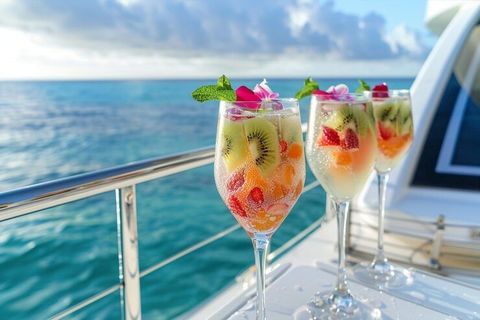
Photographs can create a visual record of a cruise itinerary. Instead of documenting only major destinations, travelers can also capture small details such as cabin views, meals, ship architecture, deck activities, and changing scenery.
A balanced collection can therefore tell the story of the entire journey rather than focusing on a single destination.
Capturing Changing Light
Light is one of the most important elements in Cruise Ship Photography. Morning light can provide softer conditions, while late afternoon and sunset can produce stronger colors and shadows.
Weather also changes the appearance of the sea. Clouds, mist, rain, reflections, and clear skies can all produce different visual results.
Photographing the Ship
Large cruise ships contain numerous photographic subjects. Atriums, staircases, observation areas, exterior decks, pools, restaurants, theaters, and decorative elements can all be photographed from different angles.
Wide-angle lenses can help capture large interior spaces, while standard focal lengths may be more suitable for people and architectural details.
Photographing People
People can make cruise photographs more visually meaningful by showing scale and activity. Travelers can photograph companions naturally during meals, excursions, walks, or other activities.
When photographing people outside one's travel group, cultural expectations and local privacy rules should be considered. Extra care is appropriate when children or private situations are involved.
Main Photography Styles
| Style | Common Subjects | Useful Setting |
|---|---|---|
| Landscape | Ocean, islands, coastlines | Wide views |
| Architecture | Ship interiors and structures | Wide or standard lens |
| Portrait | Travelers and groups | Natural or controlled light |
| Lifestyle | Daily cruise activities | Flexible camera settings |
| Night | Decks, ports, city lights | Low-light settings |
| Action | Sports and movement | Faster shutter speed |
| Destination | Ports and landmarks | Travel photography setup |
Recent Updates
Smartphone Photography
Smartphones have become an important part of travel photography because modern devices combine multiple cameras, computational photography, image stabilization, and automatic exposure controls.
Wide, standard, and telephoto camera options can allow travelers to photograph different subjects without carrying a large camera system.
Computational Photography
Modern phones and cameras can combine multiple exposures or use software processing to improve dynamic range, low-light images, detail, and color.
These capabilities can be particularly useful on cruise ships because photography may involve bright skies, shaded decks, reflective water, and illuminated interiors within the same scene.
Action Cameras
Compact action cameras are useful for selected outdoor activities because they are small and designed for movement-oriented recording.
Cruise lines can impose restrictions on cameras during particular activities. For example, Royal Caribbean states that recording devices may be restricted during certain attractions and water activities for safety reasons.
Digital Photo Galleries
Cruise photography is increasingly connected with digital photo systems. Some cruise lines operate onboard photo galleries where professional photographers capture embarkation, formal portraits, port visits, and other moments.
Royal Caribbean, for example, states that professional photographers are available on its ships and that digital photo packages can provide access to selected images after the journey.
Improved Image Storage
Travelers increasingly use cloud synchronization, external storage, and multiple memory cards to protect photographs while traveling.
A cruise may involve thousands of images, particularly when both photographs and video are recorded. Organizing images by day, destination, or event can make later editing easier.
Drone Photography Restrictions
Aerial photography requires particular attention because cruise ships operate under maritime and port regulations, while destinations can have their own aviation rules.
Policies vary by cruise line. For example, Royal Caribbean currently permits personal drones to be carried but states that they cannot be operated onboard its ships or at certain private destinations. Local authority requirements may also apply when drones are used ashore.
Therefore, travelers should check the current rules of their cruise line and each destination before carrying or operating an aerial device.
Laws or Policies
Cruise Line Photography Rules
Photography policies can differ between cruise operators and even between particular activities or locations. Passengers should review the current passenger agreement and onboard policies before photographing restricted areas.
Rules may cover commercial photography, recording equipment, drones, privacy, security areas, and particular attractions.
Personal Photography
Taking photographs for personal memories is generally a normal part of cruise travel, but certain areas may have restrictions. Security operations, crew-only spaces, restricted technical areas, and specific attractions can have limitations.
Passengers should follow signs and instructions from crew members.
Commercial Photography
Commercial use can involve additional permissions. A cruise line may distinguish between private photographs and photographs or recordings intended for commercial publication, broadcasting, advertising, or other professional purposes.
For example, Royal Caribbean's passenger terms contain restrictions concerning commercial or other non-private use of photographs depicting the vessel, its design, equipment, passengers, crew, or other elements without appropriate written consent.
Because policies vary, professional photographers should review the relevant cruise-line agreement before beginning a commercial project.
Privacy and Consent
Photography involving identifiable people can raise privacy and consent considerations. Requirements differ between countries and situations.
Extra caution is appropriate when photographing strangers closely, photographing children, recording private conversations, or publishing recognizable individuals online.
Destination Regulations
A cruise may visit several countries during one itinerary. Photography rules can therefore change from one port to another.
Museums, religious buildings, military facilities, airports, government buildings, indigenous cultural sites, and archaeological locations may have specific photography restrictions.
Wildlife Photography
Wildlife photography should be conducted without disturbing animals. Travelers should follow local rules concerning protected areas, marine wildlife, nesting sites, and designated viewing distances.
The same principle applies to photographing marine animals from shipboard or during shore excursions.
Tools and Resources
Smartphone Cameras
A smartphone is practical for everyday Cruise Ship Photography because it is compact and easy to carry. Its multiple camera lenses can provide flexibility for wide views, standard photographs, and distant subjects.
Mirrorless and DSLR Cameras
Interchangeable-lens cameras provide greater control over focal length, exposure, depth of field, and image processing.
A wide-angle lens can be useful for ship interiors and landscapes, while a telephoto lens can help capture distant shorelines, wildlife, and architectural details.
Action Cameras
Action cameras are compact options for selected outdoor activities. Waterproof housings or appropriate water protection can be useful around pools, beaches, and shore excursions, depending on the equipment.
Tripods and Small Supports
A compact tripod can help with nighttime photography, sunsets, long exposures, and group photographs. However, tripod use may not be appropriate in crowded walkways or areas where it could obstruct movement.
Extra Batteries and Memory Cards
Long travel days can increase battery usage. Extra batteries, charging equipment, and sufficient storage capacity can help prevent interruptions.
Travelers should also verify the electrical requirements of their equipment and cruise cabin.
Dry Bags and Protective Cases
Water, spray, rain, humidity, and accidental splashes can create risks for cameras and phones. Waterproof pouches, dry bags, and protective cases can provide additional protection during appropriate activities.
Image Backup
Photographs can be backed up to a computer, external storage device, or cloud platform when an appropriate connection is available. Keeping more than one copy is useful for important travel images.
Basic Camera Settings
Different situations require different settings:
Sunset: Monitor exposure carefully to preserve bright areas in the sky.
Night scenes: A slower shutter speed or higher ISO may be useful.
Moving subjects: A faster shutter speed can help reduce motion blur.
Architecture: A wider focal length can capture more of a large interior.
Portraits: A moderate focal length can provide natural-looking perspectives.
Ocean views: Exposure compensation can help when bright water and darker subjects appear together.
Cruise photography does not require complicated equipment. Understanding light, composition, timing, and camera stability can have a substantial effect on the final image.
FAQs
What is Cruise Ship Photography?
Cruise Ship Photography is the practice of photographing cruise ships, onboard activities, travelers, destinations, landscapes, architecture, food, entertainment, and other experiences during a cruise journey.
What camera is suitable for Cruise Ship Photography?
A smartphone can handle many everyday situations, while mirrorless and DSLR cameras provide greater control. The appropriate choice depends on the traveler's preferred photography style, equipment familiarity, and luggage requirements.
What photography styles work well on a cruise?
Landscape, architecture, portrait, lifestyle, night, action, and destination photography can all work well during a cruise. The changing scenery provides different subjects throughout the itinerary.
Can I use a drone for Cruise Ship Photography?
Drone rules vary by cruise line and destination. Some cruise lines allow passengers to carry drones but prohibit their operation onboard. Local aviation and port rules can also apply, so the current requirements should be checked before flight operations.
How can I protect my cruise photographs?
Regular backups, extra memory cards, sufficient battery capacity, protective cases, and careful file organization can help protect photographs during a cruise.
Conclusion
Cruise Ship Photography combines travel, landscape, architecture, portrait, lifestyle, and destination photography in a constantly changing environment. Smartphones, interchangeable-lens cameras, action cameras, improved image processing, and digital storage have expanded the ways travelers can document cruise experiences. Photography policies, privacy considerations, drone restrictions, and destination-specific rules should be checked before photographing or recording in particular situations. With suitable equipment, thoughtful composition, and attention to changing light, a cruise itinerary can provide a wide variety of photographic subjects.