Cruise Cabins: Explore Types, Features, and Important Details
Cruise Cabins are the private sleeping and living spaces available to passengers on cruise ships. They are also commonly called staterooms, and the two terms generally refer to the same type of passenger accommodation. Cruise ships can have several cabin categories, ranging from interior rooms without windows to larger suites with separate living areas and outdoor space.
Cabin design varies according to the ship, cruise company, route, deck location, and accommodation category. Some cabins are designed for solo travelers, while others accommodate couples, families, or several passengers.
The four broad categories found across many ocean cruise ships are inside cabins, ocean-view cabins, balcony cabins, and suites. River cruise vessels commonly use window, French balcony, verandah, and suite categories, with fewer interior cabins than many ocean ships.
How Cruise Cabins Are Arranged
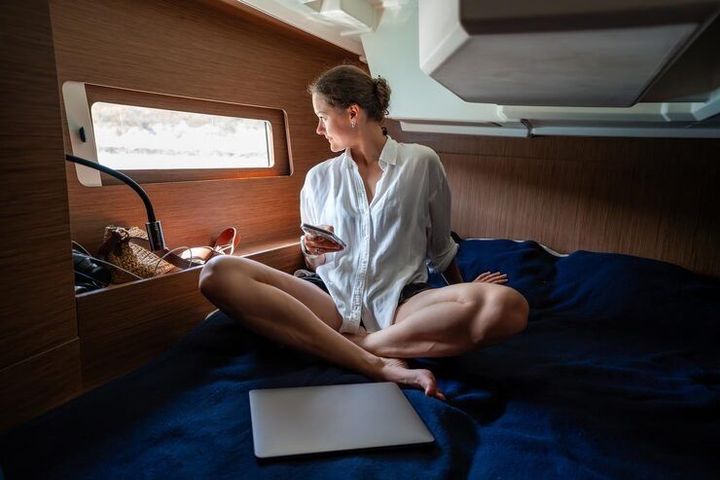
A cruise cabin normally combines several functions within a relatively compact area. A typical room can contain a sleeping area, storage, a small sitting or dressing area, and a private bathroom.
Furniture may include beds that can be separated or combined, a desk or dressing table, chairs, wardrobes, drawers, and small tables. Many cabins also include televisions, safes, refrigerators or minibars, and luggage storage beneath the bed, although exact features vary by ship and cabin category.
Cabin locations are shown on a deck plan, which is a map of the ship's passenger areas. The plan can show cabin numbers, decks, connecting doors, accessible rooms, balconies, lifeboat positions, and cabins with partially restricted views.
Main Types of Cruise Cabins
Inside cabins are located within the ship and generally do not have an exterior window or balcony. They can be suitable for passengers who spend much of their time in public areas around the ship.
Ocean-view cabins have a window or porthole that allows passengers to see outside. The window may be fixed and cannot necessarily be opened.
Balcony cabins include a private outdoor area connected to the room. The balcony may contain chairs, a small table, or other outdoor furniture.
Suites generally provide more space and may separate the sleeping area from a sitting or living area. Some suites also have larger balconies or additional room features.
Importance
Choosing a Suitable Cabin Location
The location of a cabin can influence the experience of a cruise. Cabins near the center of a ship may have different movement characteristics from cabins toward the front or rear.
A cabin close to elevators can provide convenient access to other decks but may experience more foot traffic. A cabin beneath a pool deck, entertainment venue, or fitness area may have different noise conditions from one surrounded by other passenger rooms.
Understanding Cabin Views
A window or balcony does not always mean an unrestricted view. Some cabins can have lifeboats, structural elements, railings, or other parts of the ship partially blocking the view.
Cruise deck plans may identify obstructed-view cabins, helping passengers understand the cabin's position before selecting it.
Space and Storage
Cruise cabins make efficient use of available space. Beds may contain storage underneath, while wardrobes and drawers can be integrated into the cabin walls or furniture.
Passengers staying for longer voyages may need to consider wardrobe capacity, luggage storage, bathroom layout, and the number of people sharing the room.
Family and Group Accommodation
Some ships have cabins with additional beds, sofa beds, pull-down beds, or connecting doors.
An interconnecting cabin has an internal door connecting two adjacent cabins. This arrangement can allow family members or groups to maintain separate rooms while having a direct connection between them.
Accessibility
Accessible cruise cabins can include wider entrances, adapted bathrooms, grab bars, lower fixtures, accessible routes, and other features designed for passengers with mobility or other accessibility requirements.
The exact design differs between ships, so passengers with specific requirements generally need to check the ship's accessibility information and cabin specifications before travel.
Common Cabin Features
| Feature | Typical Purpose |
|---|---|
| Bed or convertible beds | Sleeping |
| Wardrobe | Clothing storage |
| Under-bed space | Luggage storage |
| Private bathroom | Personal facilities |
| Desk or dressing area | Personal use |
| Television | In-room entertainment |
| Safe | Storage of valuables |
| Refrigerator | Keeping selected items cool |
| Balcony | Private outdoor space |
| Connecting door | Linking adjacent cabins |
Recent Updates
Smart Stateroom Technology
Cruise ship accommodation is increasingly incorporating digital technology. Modern ships can use connected systems for cabin controls, navigation, entertainment, and passenger interaction.
Cruise industry developments in 2026 include smart stateroom concepts and wider use of digital technologies across the passenger experience. Cruise Lines International Association has highlighted connected technologies and new ship designs as part of current cruise innovation.
The exact technology varies considerably between ships. Some cabins may have digital controls for selected lighting, climate, entertainment, or other functions.
New Suite-Focused Ship Designs
Recent cruise ships include accommodation concepts built around larger suites, balconies, and expanded outdoor areas.
For example, CLIA's 2026 cruise industry coverage describes new all-suite ships and ships with extensive balcony accommodation. These designs demonstrate a continuing emphasis on private space and cabin layouts that connect indoor areas with outdoor viewing areas.
Virtual Windows and Balconies
Some ships have experimented with virtual portholes or virtual balconies. These systems use screens connected to external cameras to display an outside view inside a cabin that does not have a conventional window.
The technology provides visual information about the outside environment without creating a physical opening in the cabin wall. It remains a specialized feature rather than a standard feature across the entire cruise industry.
River Cruise Cabin Development
River cruise cabins have their own design characteristics because river vessels are generally narrower and have different deck configurations from large ocean ships.
French balconies, large windows, verandahs, and suites are common categories on river vessels. Some French balconies use large sliding or opening sections of glass with a protective rail rather than a conventional walk-out balcony.
Environmentally Conscious Ship Design
Cabin design is also connected with wider ship efficiency and environmental systems. Cruise ships must comply with international requirements covering pollution prevention, sewage, garbage, and energy efficiency.
The International Maritime Organization states that passenger ships are subject to MARPOL requirements covering areas such as sewage, garbage, and air pollution.
New ships are also incorporating technologies such as shore-power connections, alternative propulsion systems, and other environmental technologies.
Laws or Policies
International Passenger-Ship Safety
Cruise ships operating internationally are governed by international maritime regulations. The International Convention for the Safety of Life at Sea (SOLAS) is one of the central international frameworks for passenger-ship safety.
The International Maritime Organization states that passenger ships carrying more than 12 passengers on international voyages must comply with relevant IMO requirements, including SOLAS and the Load Lines Convention.
Fire and Emergency Protection
Passenger ships are subject to requirements covering fire detection, fire protection, escape arrangements, life-saving equipment, emergency procedures, and evacuation.
These requirements influence cabin design because passenger accommodation must connect with protected escape routes and emergency systems. SOLAS includes passenger-ship requirements concerning muster stations, survival craft, emergency drills, and passenger information.
Accessibility Requirements
Accessibility rules vary by country and itinerary. Cruise ships may be subject to national accessibility laws depending on the jurisdiction and circumstances.
For example, United States accessibility law has been applied to cruise ships in relevant legal contexts, including passenger accommodation and public areas. International travelers should check the regulations and accessibility policies applicable to their cruise itinerary.
Polar Cruise Requirements
Cruise ships traveling in polar regions may be subject to the International Code for Ships Operating in Polar Waters, commonly called the Polar Code.
The Polar Code addresses ship design, equipment, operations, training, search and rescue, and environmental protection for vessels operating in polar waters. It operates through the SOLAS and MARPOL frameworks.
Environmental Rules
Cruise ships are also affected by MARPOL requirements covering pollution prevention. These include rules concerning sewage, garbage, and air emissions.
The IMO notes that passenger ships must comply with relevant MARPOL requirements and energy-efficiency and air-pollution provisions.
Tools and Resources
Cruise Deck Plans
Deck plans are among the most useful resources for understanding Cruise Cabins. They show the position of cabins relative to elevators, stairways, restaurants, theaters, pools, public spaces, lifeboats, and other ship areas.
A deck plan can also identify connecting cabins, accessible rooms, balcony arrangements, and cabins with restricted views.
Cabin Category Guides
Cruise companies and cruise-industry organizations publish explanations of cabin categories. These resources can help distinguish interior, ocean-view, balcony, and suite accommodation.
Cabin Measurement Information
Cabin dimensions can vary significantly between ships. When planning for longer voyages, passengers may examine published room dimensions, bed configurations, bathroom layouts, storage arrangements, and balcony dimensions.
Accessibility Guides
Passengers with accessibility requirements can consult ship-specific accessibility guides. These may describe doorway widths, bathroom configurations, accessible routes, elevators, and adapted cabin features.
Cruise Glossaries
Cruise terminology can sometimes be confusing. Terms such as stateroom, veranda, berth, interconnecting cabin, and obstructed view have specific meanings in cruise planning. A cruise glossary can make deck plans and cabin descriptions easier to understand.
International Maritime Resources
The IMO provides information about passenger-ship safety, SOLAS requirements, environmental regulations, emergency arrangements, and international maritime standards. These resources are useful for understanding the regulatory background behind modern cruise-ship design.
FAQs
What are Cruise Cabins?
Cruise Cabins are passenger rooms located on cruise ships. They can include interior rooms, ocean-view rooms, balcony rooms, and suites, with layouts and features varying by ship.
What are the main types of Cruise Cabins?
The main ocean-cruise categories are inside, ocean-view, balcony, and suite cabins. River cruises commonly use window, French balcony, verandah, and suite categories.
What is the difference between an ocean-view cabin and a balcony cabin?
An ocean-view cabin generally has a window or porthole that provides an outside view. A balcony cabin has a private outdoor area connected to the room.
What is an obstructed-view cabin?
An obstructed-view cabin has a window or balcony where part of the outside view is blocked by another part of the ship, such as a lifeboat or structural element.
What features are commonly found in Cruise Cabins?
Common features include beds, storage areas, a private bathroom, television, safe, wardrobe, small seating or dressing areas, and sometimes a refrigerator, balcony, or additional sleeping arrangements.
Conclusion
Cruise Cabins range from compact interior rooms to spacious suites with private outdoor areas and separate living spaces. Cabin type, location, view, accessibility, storage, and ship layout can all influence how the accommodation functions during a voyage. Recent cruise-ship designs are incorporating smart cabin technology, expanded balcony and suite concepts, and environmental technologies alongside established maritime safety requirements. Understanding cabin categories and deck plans can make cruise accommodation terminology easier to interpret for travelers around the world.