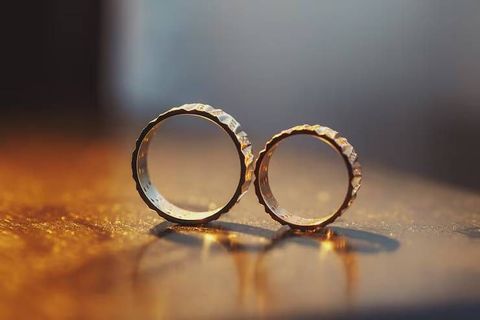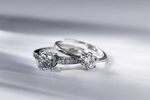
Coordinate Jewellery: Explore Location-Inspired Designs and Personalized Details
Coordinate jewellery combines meaningful locations with wearable designs through engraved coordinates, map-inspired motifs, and personalized details. These pieces can commemorate important places, journeys, relationships, and memorable occasions.
Coordinate Jewellery: Explore Location-Inspired Designs and Personalized Details
Context
Coordinate jewellery is personalized jewellery that incorporates geographic coordinates representing a meaningful location. The coordinates may identify a birthplace, meeting place, travel destination, family home, wedding venue, or another location connected with an important memory.
These designs can appear on necklaces, bracelets, rings, pendants, and other jewellery formats. The coordinates may be engraved as numbers, incorporated into a map-inspired design, or combined with names, dates, symbols, and other personalized elements.
What Is Coordinate Jewellery?
Coordinate jewellery uses latitude and longitude values to represent a particular geographic location. Instead of displaying the location as a conventional address, the jewellery presents its geographic position in a compact numerical format.
The coordinates can be displayed on a flat pendant, engraved inside a ring, positioned on a bracelet plate, or incorporated into a custom-shaped design.
Common Coordinate Jewellery Types
Several jewellery formats can incorporate geographic coordinates:
Coordinate necklaces
Coordinate bracelets
Coordinate rings
Coordinate pendants
Engraved coordinate bangles
Coordinate earrings
Map-inspired pendants
Coordinate and name jewellery
Coordinate date combinations
Layered location jewellery
The choice of format depends on how prominently the location should appear and whether additional personalization is included.
Location-Inspired Meaning
The significance of coordinate jewellery comes from the location represented by the numbers. A particular set of coordinates can refer to a meaningful event or place without requiring the jewellery to display a detailed explanation.
This makes the design relatively subtle while allowing the wearer to associate it with a specific memory.
Importance
Coordinate jewellery combines geographic information with personal symbolism. The coordinates themselves may appear ordinary to someone unfamiliar with their meaning, while carrying considerable significance for the person wearing the piece.
The design can therefore function as a private reference to a location while remaining visually similar to other minimalist jewellery.
Birthplace Coordinates
Coordinates can represent a birthplace or another location associated with family history. A necklace or pendant can incorporate the location alongside a name or birth date.
This approach can create a personalized piece without requiring a large decorative motif.
Relationship Locations
Some coordinate jewellery represents places associated with relationships, such as where two people first met, a wedding venue, or another meaningful location.
The coordinates can be engraved alone or combined with initials, dates, hearts, or other symbols.
Travel Memories
Travel destinations can also become the basis for coordinate jewellery. A location associated with a memorable trip can be represented through its latitude and longitude.
Multiple destinations can be incorporated into separate pendants or a layered jewellery design.
Family Locations
Coordinate jewellery can represent a family home, hometown, heritage location, or another place with family significance.
Multiple sets of coordinates can be arranged into one piece when the jewellery is intended to represent several locations.
Personalized Text
Coordinates can be combined with names, initials, dates, short words, or symbols. The combination allows a location and its personal significance to be represented within one design.
However, adding too many elements can make a small pendant appear crowded, so typography and spacing are important.
Coordinate Formatting
Geographic coordinates can be written in several formats. Decimal degrees provide a compact numerical format, while degrees, minutes, and seconds provide a more traditional geographic representation.
The format selected for jewellery should be consistent with the intended location and available engraving space.
| Design Element | Common Options | Visual Character |
|---|---|---|
| Jewellery type | Necklace, ring, bracelet, pendant | Determines placement |
| Coordinate format | Decimal, degrees-minutes-seconds | Changes text appearance |
| Personal text | Name, initials, date | Adds context |
| Motif | Heart, map, star, geometric | Adds symbolism |
| Metal | Gold, silver, platinum | Influences colour |
| Finish | Polished, matte, brushed | Changes surface appearance |
| Layout | Single, stacked, layered | Controls visual balance |
| Chain | Fine, cable, box, curb | Complements pendant |
Recent Updates
Recent personalized jewellery design has increasingly combined coordinate engraving with minimalist profiles, layered pieces, map-inspired motifs, and mixed personalization.
Minimalist Coordinate Necklaces
Minimalist coordinate necklaces generally use a small pendant or narrow plate with a single set of coordinates. The restrained design keeps the location information as the central feature.
Small lettering and clean pendant shapes can create a subtle appearance suitable for different clothing styles.
Coordinates With Names and Dates
Combining coordinates with a name or date adds another layer of information to the jewellery. A pendant may show the location on one side and a date or short inscription on another.
Double-sided designs can preserve a clean front surface while allowing additional personalization.
Map-Inspired Jewellery
Some designs combine coordinates with outlines of countries, states, cities, islands, or other geographic forms. The map element can provide a visual reference to the location represented by the coordinates.
A small gemstone or decorative point can also be used to indicate a particular position within a map outline.
Layered Location Designs
Layered necklaces can use separate pendants for different locations. For example, one pendant may represent a hometown while another represents a meaningful travel destination.
Different pendant sizes and chain lengths help separate the individual location references.
Mixed-Metal Coordinate Designs
Gold, silver, platinum, and different gold colours can be combined to create contrast. A coordinate pendant in one metal tone can be paired with a chain in another colour.
Mixed-metal styling can also make personalized jewellery easier to coordinate with an existing jewellery collection.
Advanced Engraving
Modern engraving techniques allow small numerical characters and fine lines to be incorporated into jewellery surfaces. Laser engraving can produce detailed markings, while traditional mechanical engraving remains another established approach.
The appropriate technique depends on the metal, pendant dimensions, design complexity, and required visual effect.
Laws or Policies
Jewellery requirements vary according to the country where an item is manufactured, marked, imported, or distributed. In India, the Bureau of Indian Standards administers the hallmarking framework for specified precious-metal jewellery.
BIS currently states that gold and silver are the two precious metals brought under India's hallmarking framework. Therefore, applicable hallmarking requirements for coordinate jewellery depend on the metal used and the relevant jewellery category.
For applicable hallmarked gold jewellery, BIS identifies the BIS Standard Mark, purity expressed through caratage and fineness, and a six-digit Hallmark Unique Identification number as the three hallmark components. HUID information can be verified through the BIS Care application.
Gold Coordinate Jewellery
Where a coordinate necklace, ring, bracelet, or pendant is made from gold and falls within applicable hallmarking requirements, its metal purity and hallmark information should be considered separately from the personalized engraving.
The coordinate engraving itself does not establish the metal composition of the jewellery.
Silver Coordinate Jewellery
Silver is also included within India's hallmarking framework. BIS's revised IS 2112:2025 introduced HUID-based hallmarking for silver jewellery and articles on a voluntary basis from September 2025.
Current Hallmarking Updates
BIS's mandatory hallmarking page lists amendments dated March, April, and August 2026, with the page updated in September 2026. These updates reflect the continuing development of India's gold hallmarking coverage.
Jewellery Documentation
For applicable hallmarked jewellery, keeping an authentic invoice and relevant product information provides a record of the jewellery's metal specifications.
BIS states that invoices for hallmarked precious-metal articles should contain details such as the article description, net precious-metal weight, purity in carat and fineness, and applicable hallmarking information.
Tools and Resources
Several resources can help readers understand coordinate jewellery, geographic information, engraving, jewellery design, and applicable standards.
Coordinate Mapping Resources
Mapping references can help identify the latitude and longitude of a meaningful location. The coordinate format should be checked carefully because small numerical differences can represent different locations.
Geographic References
Geographic information resources can help verify whether coordinates correspond to the intended city, landmark, coastline, building, or other location.
Jewellery Design References
Jewellery design references can help compare pendant shapes, engraving layouts, chain styles, metal colours, surface finishes, and personalized motifs.
Engraving References
Engraving references can explain techniques such as laser engraving and mechanical engraving. The selected method depends on the metal, surface area, lettering size, and complexity of the design.
BIS Resources
The BIS website provides current information about hallmarking, Indian Standards, consumer guidance, and mandatory hallmarking updates. These resources are particularly relevant when coordinate jewellery is made from applicable gold or silver materials.
FAQs
What is coordinate jewellery?
Coordinate jewellery is personalized jewellery featuring latitude and longitude coordinates associated with a meaningful location. The coordinates can represent a birthplace, meeting place, travel destination, wedding venue, or another significant location.
What types of coordinate jewellery are available?
Common formats include coordinate necklaces, pendants, bracelets, rings, bangles, earrings, and map-inspired jewellery. Coordinates can also be combined with names, initials, dates, and symbols.
How are coordinates displayed on jewellery?
Coordinates can be engraved using decimal degrees or degrees-minutes-seconds formats. They may appear on a flat pendant, inside a ring, on a bracelet plate, or within a map-inspired design.
Can coordinate jewellery include names and dates?
Yes. Coordinates can be combined with names, initials, dates, symbols, or other short inscriptions. The layout depends on the available engraving area and the design of the jewellery.
What should be considered when choosing coordinate jewellery?
Important considerations include coordinate accuracy, engraving format, pendant size, metal, lettering style, chain type, surface finish, personalization, and applicable metal-marking requirements.
Conclusion
Coordinate jewellery combines geographic information with personalized jewellery design, allowing meaningful locations to be represented through latitude and longitude. Necklaces, rings, bracelets, pendants, and layered designs can incorporate coordinates alongside names, dates, symbols, and map-inspired elements. Contemporary approaches increasingly emphasize minimalist layouts, mixed metals, layered pieces, and detailed engraving. For applicable gold and silver jewellery in India, current BIS hallmarking requirements and documentation should also be considered.