Bulldozers: Guide to Earthmoving Technology, Machine Features, and Construction Applications
Bulldozers are powerful earthmoving machines designed for pushing, grading, clearing, and preparing materials across construction and large-scale development sites. They combine a durable crawler undercarriage, powerful drive system, hydraulic controls, and front-mounted blades. Modern bulldozers increasingly incorporate digital monitoring, operator-assistance systems, automation, and improved machine control for accurate and consistent earthmoving operations.
Bulldozers: Guide to Earthmoving Technology, Machine Features, and Construction Applications
Context
Bulldozers are heavy earthmoving machines designed to push, spread, level, and move soil, rock, aggregate, and other materials. They are widely used in construction, mining, road development, land preparation, quarrying, forestry, and infrastructure projects.
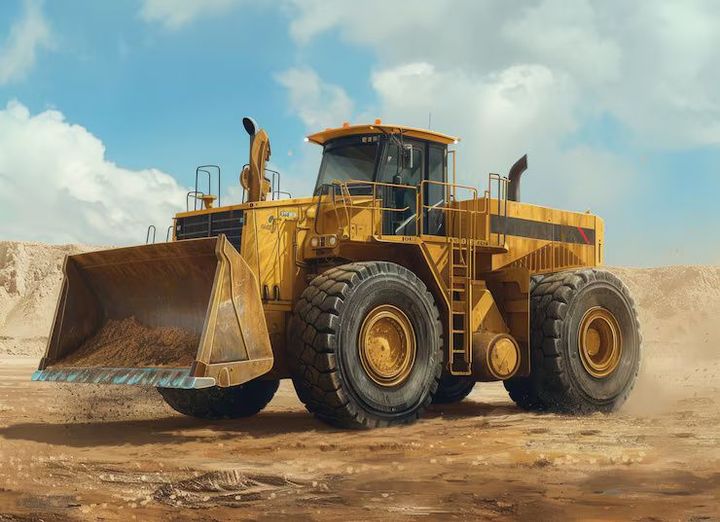
A typical bulldozer uses a crawler undercarriage that allows the machine to travel across uneven and challenging terrain. At the front, a large blade is used to push or distribute material. The machine can also be fitted with a rear attachment such as a ripper for breaking compacted ground or hard materials.
The main systems of a bulldozer include:
Crawler tracks and undercarriage
Engine or electric power system
Transmission and final drives
Hydraulic system
Front blade
Rear ripper or attachment
Operator cab
Electronic control system
Cooling and lubrication systems
Monitoring and machine-control technology
During operation, the blade is positioned against the material and the machine moves forward to push it. Blade angle, height, tilt, machine speed, and ground conditions all influence how material is moved and distributed.
Types of Bulldozers
Bulldozers can be classified according to size, blade configuration, undercarriage arrangement, and operating environment.
Crawler bulldozers use tracks and are widely associated with heavy earthmoving. Their tracked design provides stability and traction across many types of terrain.
Small and medium bulldozers are used for applications where maneuverability and controlled material movement are important. Larger models are designed for substantial earthmoving requirements and demanding site conditions.
Blade configuration is another important classification. Straight blades, commonly called S-blades, are relatively narrow and provide controlled cutting and grading. Universal blades, or U-blades, have curved sides that help retain larger quantities of material during pushing. Combination blades provide characteristics of both configurations.
Main Machine Features
The blade is one of the most important components of a bulldozer. It can be adjusted vertically and, depending on its configuration, tilted or angled to control material movement.
The crawler undercarriage supports the machine and provides traction. Track width, track design, rollers, sprockets, idlers, and related components influence mobility and ground contact.
The powertrain transfers power from the engine or other power source to the tracks. Hydraulic systems control blade movement and other attachments, while electronic controls coordinate different machine functions.
The operator cab provides controls, displays, visibility systems, and environmental features. Modern cabins may include cameras, digital screens, machine-control interfaces, and ergonomic controls.
Importance
Bulldozers are important in earthmoving because they can perform several material-handling and ground-preparation tasks with a single machine. Their strong pushing capability makes them particularly useful for moving material over relatively short distances.
Land Preparation
Before construction begins, sites often require vegetation clearing, rough grading, material distribution, and surface preparation. Bulldozers can help establish working surfaces and prepare areas for subsequent construction activities.
The blade can move soil and loose material while helping create relatively consistent surface levels. Operators can adjust blade position according to site requirements.
Road Construction
Road projects frequently involve substantial earthmoving and grading activities. Bulldozers can assist with clearing, embankment preparation, material spreading, and rough grading.
Their ability to work on uneven surfaces makes them useful during early stages of road development. More precise grading may subsequently be performed using specialized grading equipment.
Mining and Quarrying
Bulldozers are also used in mining and quarrying environments for material movement, site preparation, road maintenance, stockpile management, and other earthmoving activities.
Heavy-duty configurations can be designed for demanding operating conditions where machines encounter abrasive materials, rough terrain, and extended working cycles.
Forestry and Land Clearing
Specialized bulldozers can support land clearing and site preparation in forestry-related operations. Reinforced components and appropriate attachments may be used where vegetation, uneven ground, and debris are present.
The exact machine configuration depends on the type of terrain and material being handled.
Grading and Surface Work
Bulldozers can perform rough grading by cutting high areas and moving material toward lower sections. Operators use the blade to control the distribution and approximate level of the working surface.
Modern machine-control systems can improve grading consistency by providing information about blade position and the desired surface profile.
Recent Updates
Bulldozer technology continues to develop through improvements in machine control, digital monitoring, automation, operator assistance, power management, and equipment connectivity.
Machine Control
Modern bulldozers may integrate positioning and machine-control technologies that provide information about blade location, elevation, slope, and planned surface profiles.
These systems can help operators maintain more consistent blade positioning during grading operations. Depending on the configuration, machine-control technology may use satellite positioning, sensors, digital terrain models, or other measurement systems.
Digital Monitoring
Electronic monitoring systems collect information about machine operation and component conditions. Displays can provide information about temperatures, fluid levels, operating parameters, maintenance requirements, and system alerts.
Connected equipment can also transmit selected operating information to centralized platforms where permitted by the equipment and site infrastructure.
Operator Assistance
Modern bulldozers increasingly include technologies designed to support operator awareness and machine control. Cameras can improve visibility around the equipment, while electronic controls can simplify the management of machine functions.
Some systems can assist with blade positioning, slope control, or repetitive operating tasks. The extent of assistance varies according to machine model and operating environment.
Automation
Automation is becoming more relevant in large construction and mining operations. Certain bulldozers can perform selected machine-control functions with reduced manual adjustment.
Automated or semi-automated operation can support consistent grading and repetitive earthmoving tasks. However, trained operators and site supervision remain important for managing changing ground conditions, nearby equipment, personnel, and unexpected situations.
Power and Efficiency Technology
Manufacturers are also developing powertrain and energy-management improvements. Electronic engine controls, variable operating modes, improved hydraulic systems, and other technologies can help align machine output with working conditions.
Electric and alternative-power concepts are receiving increasing attention across heavy equipment industries. Their suitability depends on application requirements, available infrastructure, operating patterns, and machine configuration.
Laws or Policies
Bulldozer operation is generally subject to workplace safety, environmental, equipment, and site-specific requirements. Regulations differ between countries and jurisdictions, so operators and organizations need to follow the rules applicable to their location and activity.
Workplace Safety
Safety procedures commonly address operator training, machine inspections, access and egress, visibility, warning systems, safe operating distances, and interaction with other equipment.
Operators should follow the manufacturer's operating instructions and the site's established procedures. Pre-operation inspections can identify issues affecting tracks, blades, hydraulic systems, controls, lights, alarms, and other critical components.
Site Management
Construction and earthmoving sites may establish designated travel paths, exclusion zones, communication procedures, and traffic-management systems. These controls help coordinate bulldozers with excavators, haul trucks, loaders, graders, and personnel.
Working near slopes, trenches, unstable ground, overhead infrastructure, or other hazards may require additional precautions according to applicable site procedures.
Environmental Requirements
Earthmoving activities can be subject to requirements concerning dust, noise, emissions, soil disturbance, drainage, vegetation removal, and protection of surrounding areas.
Project-specific environmental controls may determine where material can be moved, how disturbed surfaces are managed, and what measures are needed to reduce environmental impacts.
Tools and Resources
Bulldozers rely on a range of components, inspection equipment, digital systems, and technical documentation to support normal operation.
| Tool or Resource | Main Function |
|---|---|
| Blade system | Pushes, spreads, and grades material |
| Ripper attachment | Breaks compacted ground and hard materials |
| Hydraulic system | Controls blade and attachment movement |
| Track system | Provides traction and machine mobility |
| Machine-control system | Supports grading and blade positioning |
| Cameras and sensors | Improve visibility and machine awareness |
| Diagnostic equipment | Monitors electronic and machine systems |
| Technical manuals | Provide operating and maintenance procedures |
Track inspection is particularly important because crawler components experience repeated contact with the ground. Track chains, rollers, idlers, sprockets, and related parts should be examined according to the manufacturer's maintenance recommendations.
Blade components also experience significant wear during earthmoving. Cutting edges, end bits, mounting points, and hydraulic connections should be checked regularly.
Lubrication systems and appropriate fluids support moving components and hydraulic equipment. Correct specifications should always be followed according to the machine documentation.
Digital diagnostic systems can provide additional information about machine conditions. Combining electronic monitoring with physical inspections and operator observations provides a more complete picture of equipment operation.
FAQs
What are Bulldozers used for?
Bulldozers are used for pushing, spreading, clearing, grading, and preparing soil, rock, aggregate, and other materials. They are commonly used in construction, mining, road development, land preparation, quarrying, and forestry.
How do Bulldozers work?
Bulldozers use a powerful drive system to move the machine forward while a front-mounted blade pushes or shapes material. Hydraulic controls adjust the blade position, while the crawler undercarriage provides traction and stability.
What are the main types of Bulldozers?
Common types include crawler bulldozers of different sizes and machines equipped with straight, universal, or combination blades. Configuration can also vary according to terrain, operating requirements, and rear attachment options.
What features are important in Bulldozers?
Important features include the blade configuration, crawler undercarriage, powertrain, hydraulic system, operator controls, cab design, visibility systems, machine monitoring, and optional machine-control technology.
How is technology changing Bulldozers?
Modern Bulldozers increasingly use digital monitoring, positioning systems, machine-control technology, cameras, sensors, operator-assistance functions, and improved power-management systems. These developments can support more controlled earthmoving and grading operations.
Conclusion
Bulldozers remain important earthmoving machines for construction, mining, road development, land preparation, and other large-scale applications. Their crawler systems, powerful drive systems, hydraulic controls, and versatile blades allow them to perform demanding pushing and grading tasks. Recent developments in machine control, digital monitoring, automation, and operator assistance are adding new capabilities to conventional bulldozer technology. Proper machine selection, inspection, operation, and compliance with applicable safety and environmental requirements remain important for reliable earthmoving activities.