Bucket Elevators: Guide to Design, Operation, and Material Handling Applications
Bucket elevators are vertical material-handling machines designed to move bulk materials from a lower level to a higher level. They use a continuous belt or chain fitted with buckets that collect material, carry it upward, and discharge it at a selected point.
Unlike horizontal conveyors, bucket elevators are specifically designed for vertical movement. This makes them useful where production facilities, storage structures, silos, processing plants, or warehouses need to move bulk material upward while using relatively limited floor space.
ISO 7190 classifies bucket elevators according to characteristics such as construction, bucket movement path, discharge method, and driving arrangement. The standard was reviewed and confirmed in 2025, meaning the classification remains current.
Main Components
A typical bucket elevator contains several interconnected components.
Buckets: Containers attached to a belt or chain that carry the material upward.
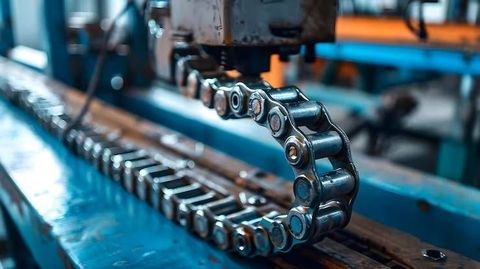
Belt or chain: Provides continuous movement to the buckets.
Head section: The upper portion where the drive and discharge arrangement are commonly located.
Boot section: The lower portion where material enters the buckets.
Drive system: Usually includes an electric motor, gearbox, and related transmission components.
Pulleys or sprockets: Guide and drive the belt or chain.
Casing: Encloses the moving buckets and material flow.
Take-up system: Maintains suitable belt or chain tension.
Inspection openings: Allow inspection, cleaning, and maintenance of selected components.
The exact configuration depends on the material, required lifting height, capacity, operating speed, and installation environment.
How Bucket Elevators Operate
The operating cycle is relatively straightforward. Material enters the lower section and is collected by passing buckets. The belt or chain moves the filled buckets vertically upward, and the buckets then discharge the material at the upper section.
The empty buckets return downward and repeat the cycle.
Different discharge arrangements can be selected depending on the material and elevator design. Centrifugal discharge is commonly associated with higher-speed systems, while continuous or gravity-assisted arrangements can be used for materials requiring gentler handling.
Common Types
Belt bucket elevators use an endless belt to carry the buckets. They are commonly used for materials that can be transported without requiring the greater mechanical strength associated with some chain arrangements.
Chain bucket elevators use one or more chains to move the buckets. They can be designed for heavier or more demanding bulk-material applications.
Centrifugal elevators operate at relatively higher speeds and use centrifugal force to throw material from the buckets into the discharge area.
Continuous bucket elevators use closely spaced buckets and are generally associated with materials that require controlled discharge and reduced impact between buckets.
Heavy-duty elevators are engineered for applications involving large material loads, abrasive products, or demanding industrial environments.
Importance
Vertical Material Movement
Bucket elevators are useful when material must move vertically between different processing or storage levels. A single elevator can replace a longer inclined material path when the plant layout permits vertical transportation.
This is particularly relevant in facilities where floor area is limited but significant vertical space is available.
Handling Bulk Materials
Bucket elevators are commonly associated with granular, powdered, and other bulk materials.
Examples include:
Grain and agricultural products
Cement and mineral materials
Fertilizer
Food ingredients
Animal feed
Chemicals
Plastics and pellets
Coal and selected minerals
Industrial powders
Material characteristics strongly influence bucket selection, speed, discharge arrangement, and overall elevator design.
Supporting Continuous Production
A bucket elevator can integrate with other material-handling equipment. For example, material may move from a hopper into the elevator, travel vertically, and then enter a conveyor, silo, crusher, mixer, dryer, or processing line.
This creates a continuous movement path between different stages of an industrial process.
Saving Floor Space
Vertical transportation can reduce the horizontal footprint required for material movement. This can be particularly useful in grain facilities, cement plants, food-processing facilities, chemical plants, and other installations with multiple vertical levels.
Key Design Factors
| Design Factor | Main Consideration | Effect on System |
|---|---|---|
| Material type | Density, size, moisture, abrasiveness | Bucket and construction selection |
| Capacity | Material flow per unit of time | Bucket size and operating speed |
| Lift height | Vertical distance | Belt or chain length |
| Discharge | Material release method | Elevator speed and bucket spacing |
| Drive | Motor and transmission arrangement | Movement and power |
| Bucket material | Steel, polymer, or other material | Durability and product compatibility |
| Environment | Dust, heat, moisture, or corrosion | Construction and protection |
| Maintenance access | Inspection and cleaning requirements | Casing and access design |
Recent Updates
Improved Monitoring
Modern bucket elevators can incorporate sensors that monitor operating conditions such as vibration, temperature, belt movement, alignment, and drive performance.
Condition monitoring can help identify abnormal operating patterns before they develop into larger mechanical problems. The specific sensors used depend on the elevator design and operating environment.
Belt Alignment and Motion Detection
Belt tracking and motion monitoring are particularly important for continuously operating elevators. Misalignment can create rubbing, wear, material leakage, or other mechanical problems.
In U.S. grain-handling facilities covered by OSHA's grain-handling standard, certain bucket elevators require motion detection and belt-alignment monitoring arrangements. The regulation also contains requirements concerning inspection access and bearing condition monitoring.
Dust Control
Dust management is an important consideration when elevators handle combustible or hazardous bulk materials.
OSHA identifies bucket elevators as potential locations for combustible dust hazards in grain-handling facilities. Its guidance emphasizes housekeeping, dust control, inspection, maintenance, and control of ignition sources.
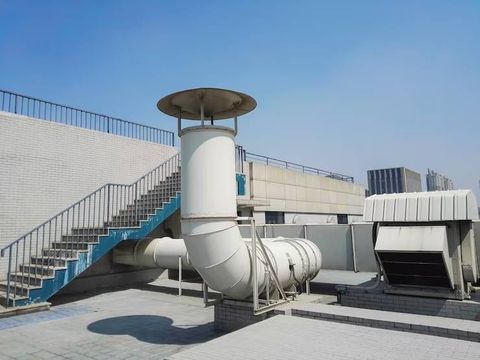
For industrial facilities handling dusty materials, enclosure design and ventilation can also influence the concentration of airborne particles. OSHA specifically recommends appropriately designed and ventilated bucket elevators for certain dusty material-handling applications.
Digital Condition Monitoring
Industrial facilities increasingly connect sensors with centralized monitoring systems. Data from bearings, motors, belts, chains, and other components can be analyzed to identify changes in operating conditions.
This approach can support planned inspections and maintenance activities while creating historical records of equipment behavior.
Energy and Drive Improvements
Modern drive systems can use improved motors, gearboxes, variable-frequency drives, and electronic controls. Variable-speed operation can allow the elevator's movement to be adjusted according to process requirements when the equipment is designed for such control.
The appropriate operating speed depends on bucket design, material properties, capacity, discharge requirements, and mechanical limitations.
Updated Standards Landscape
International standardization continues to provide references for continuous mechanical material-handling equipment. ISO/TC 101 covers terminology, general design and construction, dimensions, safety requirements, testing, and inspection methods for continuous handling equipment.
ISO 7190 remains a current classification reference for bucket elevators, while ISO 7149 provides safety rules covering bucket elevators among several categories of continuous handling equipment. ISO 7149 was reviewed and confirmed in 2026.
Laws or Policies
International Standards
Bucket elevator requirements can vary according to country, industry, material, workplace conditions, and equipment configuration. International standards can provide a common technical reference, but organizations must also follow applicable national and regional requirements.
ISO 7190 classifies bucket elevators according to construction, bucket path, discharge method, and driving arrangement.
ISO 7149 includes specific safety rules for bucket elevators and other continuous handling equipment.
United States Workplace Requirements
In the United States, OSHA's grain-handling standard, 29 CFR 1910.272, contains specific provisions for bucket elevators used within covered grain-handling facilities.
The regulation addresses matters including access for inspection and cleaning, bearing monitoring, motion detection, belt alignment, combustible dust, maintenance, and related safety controls.
These requirements are specific to the scope of the regulation and should not be treated as universal requirements for every bucket elevator worldwide.
European and Other Regional Requirements
Facilities in Europe and other regions may need to consider machinery safety, electrical requirements, workplace protection, dust hazards, and potentially explosive atmospheres depending on the material and installation.
The exact requirements depend on the country and application. Equipment intended for dusty or potentially explosive environments may require additional design controls, equipment classification, and conformity procedures.
Safety Assessment
A complete safety assessment should consider the elevator as an integrated machine rather than focusing on the buckets alone.
Important areas can include:
Moving belts or chains
Rotating pulleys and sprockets
Nip and pinch points
Material blockages
Dust accumulation
Bearing temperatures
Belt alignment
Access during maintenance
Emergency stopping
Electrical equipment
Fire and explosion hazards
Cleaning procedures
The applicable requirements should always be checked against the regulations and standards governing the specific installation.
Tools and Resources
Capacity Calculators
Bucket elevator capacity calculations generally consider bucket volume, bucket spacing, elevator speed, filling level, and material density.
Manufacturers and engineering teams may use calculation tools to estimate material throughput and determine an appropriate configuration.
Material Property Data
Material density, particle size, moisture, abrasiveness, temperature, flow characteristics, and dust behavior can affect elevator design.
A material data sheet or laboratory assessment can therefore be useful when selecting buckets, belts, chains, liners, and discharge arrangements.
Condition Monitoring Equipment
Vibration sensors, temperature sensors, speed switches, belt-alignment devices, and other monitoring equipment can help track elevator operation.
For grain-handling facilities, OSHA specifically identifies motion detection, belt alignment, and bearing-condition monitoring as important controls for covered installations.
Inspection Checklists
Inspection checklists can help maintenance teams examine:
Belt or chain condition
Bucket attachment points
Pulley or sprocket condition
Bearing temperature
Belt alignment
Drive components
Casing condition
Material buildup
Safety guards
Access doors
Emergency controls
The inspection frequency should reflect the equipment design, operating conditions, material characteristics, and applicable requirements.
Engineering Standards
ISO resources can help engineers identify relevant standards for continuous mechanical handling equipment. ISO/TC 101 provides information covering the standardization of equipment for loose bulk materials and unit loads.
FAQs
What are Bucket Elevators?
Bucket elevators are vertical material-handling machines that use buckets attached to a belt or chain to transport bulk materials from a lower level to a higher level.
How do Bucket Elevators work?
Material enters the lower section and fills moving buckets. The belt or chain carries the buckets upward, where the material is discharged before the empty buckets return downward.
What materials can Bucket Elevators handle?
Bucket elevators can handle many bulk materials, including grain, fertilizer, cement, minerals, food ingredients, animal feed, chemicals, powders, pellets, and selected industrial materials.
What are the main types of Bucket Elevators?
Common configurations include belt elevators, chain elevators, centrifugal elevators, continuous elevators, and heavy-duty designs. The appropriate configuration depends on material characteristics, capacity, height, and discharge requirements.
What safety issues are associated with Bucket Elevators?
Important considerations include moving components, belt misalignment, material blockages, bearing overheating, dust accumulation, rotating machinery, and maintenance access. Requirements vary by industry and country, with specific regulations applying to certain facilities such as grain-handling operations in the United States.
Conclusion
Bucket Elevators provide a practical method for vertically transporting bulk materials across industrial and agricultural facilities. Their design involves coordinated components such as buckets, belts or chains, drives, pulleys, casings, and monitoring systems. Current developments include condition monitoring, improved drive controls, belt-alignment detection, dust management, and greater use of digital equipment data. International standards and national workplace regulations provide important references for designing, operating, inspecting, and maintaining these systems.