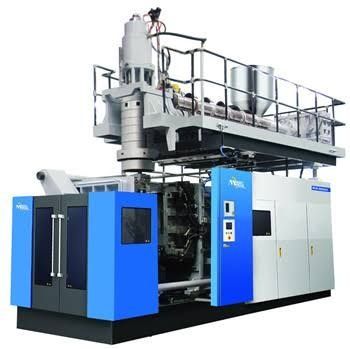
Blow Molding Machine: An Overview of Modern Plastic Manufacturing
A blow molding machine is an industrial system used to manufacture hollow plastic products such as bottles, containers, tanks, and selected technical components.
The process shapes heated plastic inside a mold by using air pressure to form the material against the mold walls. Blow molding machines are widely used because they can produce containers with consistent shapes and repeatable dimensions.
The development of blow molding equipment is closely connected with the growth of plastics manufacturing. As plastic containers became common in packaging, household products, transportation, and industrial applications, manufacturers developed different molding methods for different materials, shapes, and production requirements.
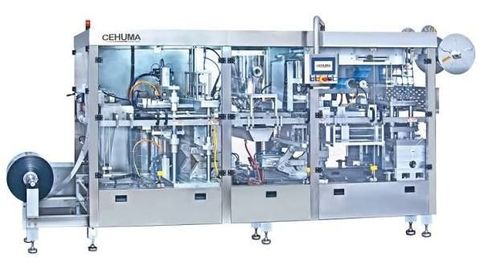
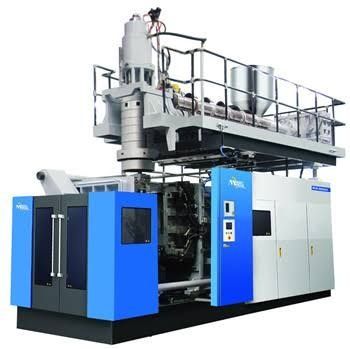
A modern blow molding machine can include heating units, plastic forming components, molds, air systems, cooling equipment, controllers, and material handling systems. Depending on its configuration, the equipment can perform several stages automatically, from preparing the plastic to removing the finished container.
How Blow Molding Works
The basic process begins with plastic material being heated until it reaches a suitable forming condition. The material is then positioned inside or around a mold, depending on the molding method. Air pressure expands the softened plastic so that it follows the internal shape of the mold.
After the shape is formed, the plastic is cooled until it becomes sufficiently rigid. The mold opens, and the finished product is removed. Additional steps can include trimming, inspection, labeling, or packaging.
An industrial blow molding machine can be configured for different product dimensions and materials. The mold design, heating conditions, air pressure, cooling method, and production cycle all influence the characteristics of the finished item.
Main Types of Blow Molding Machinery
Several technologies are used in plastic blow molding. An extrusion blow molding machine creates a tubular piece of heated plastic, known as a parison, which is enclosed by a mold before air expands it.
An injection blow molding machine first forms a plastic preform through injection molding and then transfers it into a blow mold. This approach can provide controlled preform dimensions and is commonly associated with particular container shapes.
A PET blow molding machine is designed around polyethylene terephthalate and is widely associated with beverage and other lightweight containers. A plastic bottle manufacturing machine may use either extrusion or injection-based processes depending on the material and container design.
Importance
Blow molding plays an important role in modern plastic manufacturing because many everyday products require hollow structures. Bottles, jerry cans, containers, drums, and certain automotive components are examples of products that can be produced using this technology.
The process affects manufacturers, packaging operations, product designers, logistics activities, and consumers. The shape and weight of a container can influence how products are stored, transported, handled, and used.
Production of Hollow Plastic Products
A plastic blow molding machine is particularly suited to hollow products because air pressure creates the internal space during forming. This differs from processes designed primarily for solid or flat plastic parts.
The technology can accommodate a range of container shapes. Depending on the equipment and mold design, products may have narrow openings, wide openings, handles, curved surfaces, or other structural features.
Automation and Process Control
An automatic blow molding machine can coordinate several stages of production with electronic controls. These may include heating, material positioning, mold movement, air pressure, cooling, and product removal.
Automated blow molding systems can also use sensors and control interfaces to monitor operating conditions. Such systems reduce the amount of manual intervention needed for repetitive machine operations, while operators remain involved in setup, monitoring, inspection, and maintenance.
Material and Product Considerations
Different plastics behave differently during heating and forming. Material selection therefore depends on factors such as flexibility, stiffness, temperature behavior, transparency, chemical resistance, and the intended application.
Common considerations when selecting a molding approach include:
- Plastic material and its forming characteristics.
- Product volume and physical dimensions.
- Container shape and wall requirements.
- Mold design and cooling requirements.
- Production cycle requirements.
- Inspection and quality-control procedures.
These factors help determine which type of blow molding machinery and process configuration is appropriate for a particular manufacturing environment.
| Blow Molding Method | Basic Forming Approach | Common Applications |
|---|---|---|
| Extrusion blow molding | Heated plastic tube is expanded inside a mold | Containers, tanks, household products |
| Injection blow molding | Injected preform is expanded in a mold | Bottles and precision containers |
| Stretch blow molding | Preform is stretched and expanded | Lightweight PET containers |
| Continuous extrusion systems | Plastic forming and molding operate in a continuous sequence | High-volume container production |
Recent Updates
Recent developments in blow molding have focused on automation, energy management, digital controls, material efficiency, and improved monitoring. Manufacturers are increasingly combining mechanical equipment with electronic control systems to track production conditions and identify variations during the molding cycle.
Modern industrial plastic molding equipment can include digital interfaces that allow operators to monitor temperatures, pressures, cycle information, and machine status. Data collection can also support production records and maintenance planning.
Greater Automation
An automatic blow molding machine may integrate robotic handling, automated mold movement, material feeding, and product removal. Automated plastic bottle production systems can connect multiple stages so that containers move through production with limited manual handling.
High speed blow molding machine configurations are also being developed for applications where rapid production cycles are required. Actual output depends on machine design, container size, material, mold configuration, cooling conditions, and operating parameters.
Energy and Material Efficiency
Energy consumption is an important consideration because plastic must generally be heated before molding. Newer equipment designs may incorporate improved heating systems, insulation, variable-speed drives, and control methods intended to manage energy use.
Material efficiency is also receiving attention. Advanced plastic blow molding equipment can use process controls and improved mold designs to support more consistent wall thickness. Lightweight container designs can reduce the amount of plastic required for a given product, although structural requirements still need to be considered.
Digital Monitoring
Digital monitoring is becoming more common in advanced industrial blow molding systems. Sensors can collect information about temperatures, pressures, cycle times, and other operating conditions.
This information can be displayed through control panels or integrated production software. When connected across a complete blow molding production line, monitoring systems can provide information about multiple stages of manufacturing.
Tools and Resources
Understanding blow molding involves both technical and practical resources. Equipment manuals, process diagrams, material data sheets, mold specifications, and production records can help explain how a particular system operates.
Design and Process Resources
CAD software can be used to develop container and mold designs before physical production. Mold-flow and process simulation tools may help engineers study how plastic behaves during forming, although actual results depend on material properties and machine conditions.
Useful resources include:
- CAD programs for container and mold design.
- Material data sheets for understanding plastic characteristics.
- Machine manuals for operating and maintenance information.
- Process checklists for documenting production parameters.
- Quality-control templates for recording product dimensions.
- Energy-monitoring tools for tracking equipment consumption.
Production Monitoring Resources
Industrial monitoring platforms can collect information from sensors and controllers. These systems may display production cycles, machine status, temperature values, pressure readings, and other operational information.
Process documentation is also important for automated systems. Clear records can help operators understand machine settings, maintenance intervals, mold changes, and inspection procedures.
FAQs
What is a blow molding machine used for?
A blow molding machine is used to manufacture hollow plastic products. Typical examples include bottles, containers, drums, tanks, and selected industrial or automotive components.
How does an extrusion blow molding machine work?
An extrusion blow molding machine produces a heated plastic tube and places it between mold sections. Air pressure then expands the plastic against the inside of the mold, creating the required shape before cooling and removal.
What is an injection blow molding machine?
An injection blow molding machine uses injection molding to create a plastic preform before the preform is expanded inside a blow mold. It is commonly used when controlled preform geometry and container dimensions are important.
What is a PET blow molding machine?
A PET blow molding machine is designed to form containers from polyethylene terephthalate. PET is commonly used for lightweight containers because of its combination of clarity, strength, and suitability for various packaging applications.
What are automated blow molding systems?
Automated blow molding systems combine molding equipment with electronic controls and, in some cases, automated material handling and product removal. They can coordinate multiple production stages while allowing operators to monitor and adjust the process.
Conclusion
Blow molding machines use controlled heating, molding, air pressure, and cooling to produce hollow plastic products. Different methods, including extrusion blow molding and injection blow molding, are suited to different materials and container designs. Modern blow molding equipment increasingly incorporates automation, digital monitoring, energy-management features, and integrated production controls. The selection and configuration of blow molding machinery depend on product requirements, material characteristics, mold design, and manufacturing conditions.