Baler Press Machines: Insights Into Modern Baling Technology
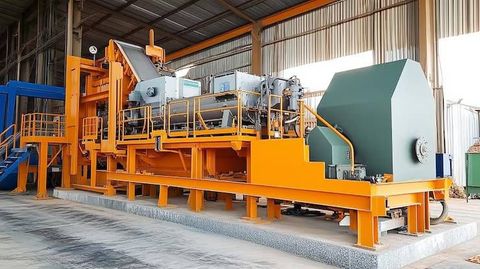
Baler press machines are mechanical systems used to compress loose materials into compact, manageable bales. They are widely used in recycling facilities, waste-processing operations, warehouses, manufacturing plants, agricultural applications, and material-recovery facilities.
The basic principle is straightforward. Loose material is placed into a chamber, compressed by a hydraulic or mechanical pressing system, and formed into a dense bale. The bale can then be tied, strapped, wrapped, or otherwise secured for handling and transportation.
Materials commonly processed with baler press machines include cardboard, paper, plastic films, plastic containers, textiles, agricultural residues, and selected metal scrap. Machine configuration depends on the material characteristics, required bale dimensions, throughput, and handling arrangement.
Main Components of a Baler Press Machine
A typical baler consists of several components that work together during the compression cycle.
- Feed hopper: Provides an entry point for loose material.
- Compression chamber: Holds the material during compaction.
- Hydraulic cylinder: Produces pressing force in hydraulic systems.
- Pressing plate: Moves against the material to create compression.
- Hydraulic power unit: Supplies hydraulic pressure to the cylinder.
- Control panel: Allows operators to manage operating sequences.
- Bale chamber: Determines the general dimensions of the compressed material.
- Tying or strapping arrangement: Secures the completed bale.
- Bale discharge system: Helps remove the finished bale from the chamber.
Horizontal and vertical balers use different structural arrangements. Horizontal systems are often integrated with conveyors and continuous feeding systems, while vertical machines can be suitable for smaller material flows and space-conscious installations.
Working Principle
The working process begins when loose material enters the feeding area. The material is directed into the compression chamber, where a pressing plate applies force.
In a hydraulic baler, an electric motor drives a hydraulic pump. The pump creates hydraulic pressure, which moves the cylinder and pressing plate. As the plate advances, the material is compressed into a denser mass.
Once the required compression level or bale dimensions are reached, the material is held in position while tying or strapping takes place. The completed bale is then discharged from the chamber.
The sequence can be manual, semi-automatic, or highly automated depending on the machine configuration.
Types of Baler Press Machines
Vertical balers use an upright chamber and generally have a relatively compact footprint. They are commonly used for cardboard, paper, plastic films, and other recyclable materials.
Horizontal balers use a horizontal compression chamber and can be integrated into continuous material-handling systems. They are frequently used where larger material volumes are processed.
Automatic balers can coordinate feeding, compression, tying, and bale discharge through programmed controls.
Semi-automatic balers require some operator involvement, particularly during tying or bale removal.
Two-ram balers use two hydraulic ram movements to support feeding and compression arrangements designed for certain high-volume material streams.
Importance
Baler press machines are important because they reduce the physical volume of loose materials and convert them into standardized units. This can improve material handling, storage organization, and movement within recycling and processing facilities.
Volume Reduction
Loose cardboard, paper, plastic film, and similar materials can occupy considerable space. Compression significantly reduces the volume of suitable materials.
This allows facilities to organize collected materials into denser units while making internal movement more structured.
Material Handling
Bales are easier to move with equipment such as forklifts, pallet trucks, conveyors, and bale-handling systems.
A consistent bale format can also simplify loading arrangements and storage planning.
Recycling Operations
Baling is an important stage in many recycling workflows. After sorting and preparation, recyclable materials can be compressed into bales before moving to subsequent processing or material-recovery stages.
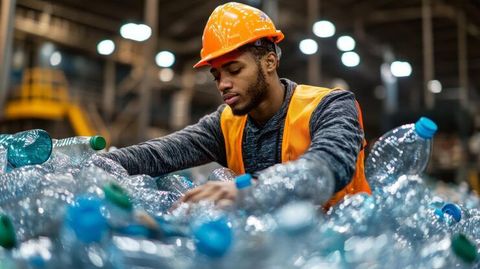
For plastic waste, baling may be used before shredding, granulation, washing, or other recycling processes, depending on the material and line design.
Storage Organization
Compressed bales generally require less floor space than equivalent loose material. Facilities can therefore organize storage areas around bale dimensions, stacking requirements, access paths, and material categories.
Process Integration
Modern balers can be integrated with conveyors, sorting equipment, weighing systems, bale tying systems, sensors, and control software.
A connected arrangement can reduce manual movement between sorting and compression stages.
| Parameter | Main Consideration |
|---|---|
| Pressing force | Determines compression capability |
| Chamber size | Influences bale dimensions |
| Material type | Determines suitable machine configuration |
| Feed rate | Affects processing capacity |
| Bale density | Influences handling and storage |
| Tying system | Secures the compressed material |
| Hydraulic system | Provides pressing movement |
| Automation | Determines level of process control |
Recent Updates
Baling technology is developing alongside automation, recycling infrastructure, energy efficiency, and digital monitoring.
Automated Bale Formation
Modern systems can coordinate feeding, compression, tying, and bale discharge through programmed sequences. Sensors can monitor chamber conditions and machine movements during the compression cycle.
Automation can be particularly useful in facilities handling consistent material streams.
Conveyor Integration
Baler press machines are increasingly integrated with conveyor systems that transport sorted materials directly into the compression chamber.
This arrangement can create a continuous material flow and reduce repeated manual loading.
Bale Density Control
Control systems can monitor pressing cycles and machine conditions to help produce more consistent bale dimensions and density.
Consistent bales can make downstream handling, storage, and transport planning easier.
Improved Hydraulic Systems
Hydraulic systems remain common in industrial balers because they can generate substantial pressing force. Modern designs may use improved hydraulic controls, variable operating sequences, and monitoring systems to manage machine performance.
Digital Monitoring
Sensors and control systems can track parameters such as hydraulic pressure, cycle time, motor load, temperature, bale count, and operating status.
Collected data can support production records and help identify changes in machine operation.
Energy Efficiency
Energy use is an increasing consideration in recycling and waste-processing equipment. Motor efficiency, hydraulic-system design, cycle optimization, and idle-time management can influence the overall energy profile of a baling operation.
Integration With Recycling Infrastructure
India's evolving waste-management framework is increasing attention on segregation, recovery, recycling, and digital reporting. The Central Pollution Control Board's current Solid Waste Management portal identifies dry waste streams such as plastic, glass, paper, and metal and provides a framework for source segregation and recovery.
This wider focus can increase the importance of equipment that supports organized handling of recyclable material.
Laws or Policies
Baler press machines can be used across several waste streams, so the applicable Indian regulatory framework depends on the material being processed and the nature of the facility.
For municipal and commercial solid waste, the Solid Waste Management Rules, 2026 are now an important reference. These rules were notified on 27 January 2026 and became effective from 1 April 2026. The CPCB's current portal highlights mandatory four-stream segregation at source into wet waste, dry waste, sanitary waste, and special-care waste.
Dry waste includes materials such as plastic, glass, paper, and metal. The 2026 framework also establishes responsibilities for waste generators, bulk waste generators, local bodies, and other stakeholders involved in waste management.
For plastic materials, the Plastic Waste Management Rules, 2016, together with subsequent amendments, remain relevant. The CPCB plastic-waste dashboard currently lists amendments through 2024, 2025, and 2026.
The 2024 Plastic Waste Management Amendment Rules further modified the existing framework and included provisions concerning plastic raw materials and plastic packaging.
Facilities processing plastic waste may also need to consider CPCB registration, State Pollution Control Board requirements, EPR-related documentation, and applicable reporting procedures. The CPCB's plastic-waste reporting portal includes annual reporting for recyclers and plastic-waste processors.
Important regulatory areas can include:
- Solid Waste Management Rules, 2026
- Plastic Waste Management Rules and amendments
- CPCB registration requirements
- State Pollution Control Board requirements
- Extended Producer Responsibility provisions where applicable
- Waste segregation and handling requirements
- Environmental permissions applicable to the facility
- Record keeping and reporting
- Machine and workplace safety requirements
Requirements vary according to the material, facility type, location, and processing activity. Operators should therefore consult the latest CPCB, MoEFCC, and State Pollution Control Board requirements applicable to their facility.
Tools and Resources
Understanding baler press machines involves mechanical principles, hydraulic systems, material handling, and recycling processes.
Technical Areas to Study
Useful subjects include:
- Hydraulic press systems
- Mechanical compression
- Hydraulic cylinders
- Hydraulic pumps
- Bale chamber design
- Material feeding
- Conveyor integration
- Bale tying systems
- Automatic bale discharge
- Bale density measurement
- Machine safety
- Industrial automation
- Recycling-line integration
Material Evaluation
Different materials behave differently during compression. Before selecting a baler configuration, useful factors include:
- Material type
- Material moisture
- Bulk density
- Particle or piece dimensions
- Feed consistency
- Required bale density
- Desired bale dimensions
- Daily processing volume
- Available floor area
- Downstream handling requirements
Regulatory Resources
The CPCB Solid Waste Management portal provides current information concerning the Solid Waste Management Rules, 2026, source segregation, bulk waste generators, and digital reporting.
For plastic-related operations, the CPCB plastic-waste dashboard and EPR resources provide access to applicable rules, amendments, reporting systems, and related documents.
These resources can help organizations understand how baling fits into broader waste-management and recycling processes.
FAQs
1. What is a baler press machine?
A baler press machine is equipment used to compress loose materials into compact bales. Depending on the configuration, it can process materials such as paper, cardboard, plastic, textiles, and selected metal scrap.
2. How does a hydraulic baler press work?
A hydraulic baler uses a pump and hydraulic cylinder to move a pressing plate. The plate applies force to loose material inside a chamber until the required bale dimensions or compression level is reached.
3. What materials can baler press machines process?
Common materials include cardboard, paper, plastic films, plastic containers, textiles, agricultural residues, and selected scrap materials. The appropriate machine depends on the material characteristics.
4. What is the difference between vertical and horizontal balers?
Vertical balers compress material in an upright chamber and can suit smaller or moderate material flows. Horizontal balers use a horizontal chamber and can be integrated with conveyors and larger processing systems.
5. Why are balers important in recycling operations?
Balers reduce the volume of suitable recyclable materials and form them into manageable units. This can simplify storage, internal movement, loading, and integration with recycling processes.
Conclusion
Baler press machines use mechanical or hydraulic compression to transform loose materials into compact and manageable bales. Their configuration can vary according to material type, bale dimensions, processing volume, automation level, and downstream handling requirements. Recent developments include automated bale formation, digital monitoring, improved hydraulic controls, conveyor integration, and greater attention to energy efficiency. Understanding these features provides a useful foundation for evaluating modern baling technology within recycling and waste-management systems.