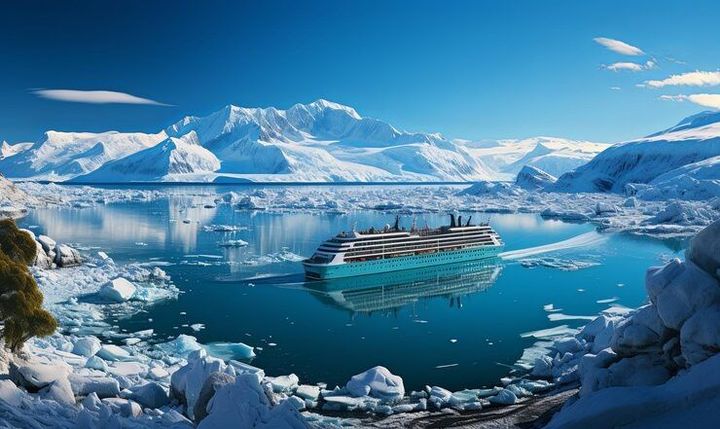
Antarctic Luxury Ship Tours: Discover Premium Polar Travel Experiences
Antarctic luxury ship tours combine extended ocean travel with polar landscapes, wildlife encounters, expedition activities, and educational experiences. Modern Antarctic journeys emphasize smaller expedition vessels, responsible tourism, immersive exploration, and careful protection of the region’s fragile environment.
Context
Understanding Antarctic Luxury Ship Tours
Antarctic luxury ship tours combine ocean travel with expedition-style exploration of one of the world's most remote regions. These journeys typically focus on the Antarctic Peninsula, surrounding islands, South Georgia, and other polar areas depending on the itinerary.
Unlike conventional ocean cruises, Antarctic expeditions place greater emphasis on nature, wildlife, geography, science, and exploration. Travelers may spend time observing ice formations, glaciers, penguins, seals, whales, seabirds, and other elements of the polar environment.
The experience can range from viewing Antarctica from the ship to making guided landings using smaller expedition boats. Vessel size and operating category are important because Antarctic tourism has specific restrictions concerning passenger numbers and landings.
Types of Antarctic Ship Journeys
Antarctic vessels can vary significantly in size and design. IAATO categorizes expedition vessels carrying 13–200 passengers as C1 ships, vessels carrying 201–500 passengers as C2 ships, and vessels carrying more than 500 passengers as cruise-only ships that do not make passenger landings. Sailing and motor yachts carrying up to 12 passengers are categorized separately.
This distinction helps travelers understand the difference between an expedition cruise with shore activities and a cruise-only voyage where Antarctica is experienced from the vessel.
The Expedition Experience
A polar journey often combines time onboard with scheduled landings, small-boat excursions, wildlife observation, lectures, photography, and environmental education.
Weather and sea conditions can influence daily plans. Antarctic travel therefore requires flexibility because the final itinerary may change according to ice, wind, visibility, wildlife activity, and operational conditions.
Importance
Polar Landscapes and Wildlife
One of the central attractions of Antarctic travel is the opportunity to experience large-scale polar landscapes. Glaciers, icebergs, snow-covered mountains, sea ice, and open ocean create a setting very different from conventional tourism destinations.
Wildlife is another major component. Depending on the season and location, travelers may encounter penguin colonies, seals, whales, and numerous seabird species.
Wildlife observation must be conducted responsibly. IAATO visitor guidance requires travelers to avoid disturbing animals, touching or feeding wildlife, or approaching them in ways that alter their behavior.
Expedition-Based Exploration
Antarctic journeys are structured around exploration rather than simply transportation between ports. Expedition teams can provide information about geology, glaciology, biology, history, wildlife, and Antarctic science.
IAATO states that its member operators provide educational programs covering topics such as Antarctic geology, glaciology, biology, exploration history, and the Antarctic Treaty.
This educational element gives travelers greater context for the landscapes and ecosystems they encounter.
Smaller Expedition Vessels
Smaller vessels can provide greater opportunities for landings and close-range exploration, subject to Antarctic operating requirements. They may also provide a more expedition-focused atmosphere.
However, smaller does not automatically mean easier. Polar travel requires specialized navigation, experienced crews, safety procedures, appropriate equipment, and contingency planning.
Comfort During Remote Travel
Luxury Antarctic travel combines expedition activities with comfortable onboard accommodation and facilities. Depending on the vessel, travelers may have access to restaurants, lounges, observation areas, wellness spaces, libraries, fitness facilities, and heated outdoor equipment areas.
The balance between comfort and expedition activity varies by vessel. Travelers should consider how much time they want to spend ashore, on small boats, observing wildlife, and participating in educational activities.
Environmental Awareness
Antarctica is a protected and environmentally sensitive region. Tourism therefore operates under a framework designed to minimize human impact.
The Antarctic Treaty system and its Environmental Protocol establish environmental principles for activities in the Antarctic Treaty Area. IAATO also requires its members to plan tourism so activities have no more than a minor or transitory impact on the Antarctic environment.
Responsible travel is consequently a fundamental part of the Antarctic expedition experience.
Recent Updates
2025–26 Visitor Activity
IAATO's current statistics for the 2025–26 season report 27,217 cruise-only visitors, 85,195 landed visits, and 1,106 deep-field visitors. These figures illustrate the continuing scale and variety of Antarctic tourism activity.
The statistics distinguish between passengers who remain aboard cruise-only vessels and visitors who participate in land-based Antarctic activities.
Continued Focus on Responsible Tourism
Current IAATO guidance emphasizes preparation, environmental protection, wildlife protection, waste reduction, and visitor education.
The organization has also published specific 2026–27 avian-influenza protocols and updated visitor resources, reflecting the need to respond to changing environmental and wildlife considerations.
Visitor Briefings
IAATO provides mandatory and advisory visitor briefing materials covering shore visits, cruise-only journeys, and deep-field expeditions.
The briefings are designed to help visitors understand how to behave safely and responsibly in Antarctica. Separate guidance is provided depending on whether travelers make landings or remain aboard the vessel.
More Specialized Expedition Experiences
The Antarctic tourism sector continues to include different forms of expedition travel, including traditional ship-based journeys, cruise-only voyages, yacht travel, and fly-in/deep-field experiences.
IAATO's current operating categories demonstrate this variety, ranging from large cruise-only vessels to small expedition ships and yachts.
Increased Attention to Environmental Protection
Environmental management remains central to Antarctic tourism. Current operator guidance includes environmental impact assessment, emergency preparedness, self-sufficiency, protected-area requirements, wildlife protection, and restrictions on waste and discharges.
These requirements are especially important as tourism activity continues to involve a wide range of vessels and visitor experiences.
Laws or Policies
Antarctic Treaty System
Antarctic activities are governed by the Antarctic Treaty system. The Antarctic Treaty was signed in 1959, while the Protocol on Environmental Protection was adopted in 1991.
The Environmental Protocol designates Antarctica as a natural reserve devoted to peace and science and establishes environmental principles for activities in the region.
Tourism operators and visitors must also comply with applicable national laws that implement Antarctic Treaty requirements.
Environmental Authorization
Antarctic tourism activities require appropriate authorization through relevant national authorities. IAATO explains that tourism operators must notify the appropriate authority and undertake environmental assessment procedures as required.
IAATO members commit to activities having no more than a minor or transitory impact on the Antarctic environment.
Passenger and Landing Restrictions
Passenger numbers influence whether a vessel can conduct shore landings.
Vessels carrying more than 500 passengers are not permitted to land passengers in Antarctic waters. For vessels that do make landings, IAATO rules include a limit of no more than 100 visitors ashore at one site at the same time. Additional restrictions apply to vessels carrying 201–500 passengers.
These rules help manage visitor concentration and reduce pressure on individual sites.
Wildlife Protection
Visitors must avoid disturbing Antarctic wildlife. Feeding, touching, handling, or approaching animals in ways that alter their behavior is prohibited except where specifically authorized.
Travelers must also respect protected areas, historic sites, scientific facilities, and research activities.
Vessel and Expedition Requirements
Antarctic operators must maintain appropriate safety, navigation, communications, environmental, and emergency procedures. IAATO guidance also emphasizes self-sufficiency and suitable equipment for Antarctic operations.
Tools and Resources
Antarctic Expedition Guides
Expedition guides and naturalists can provide information about wildlife, geology, history, climate, and scientific research. Travelers should review the educational program included in an itinerary when comparing expedition experiences.
Wildlife Guidance
IAATO provides visitor briefings and wildlife-watching guidance that explain appropriate behavior around animals and protected environments.
Weather and Ice Information
Polar weather and sea conditions can change quickly. Expedition teams use navigation, weather, ice, and communication information to adjust routes and daily activities.
Travelers should expect changes to planned landings because safety and environmental conditions take priority.
Travel Documentation
International Antarctic journeys may involve travel through countries such as Argentina or Chile before reaching the Antarctic region. Travelers should therefore check passport, visa, entry, transit, insurance, and other documentation requirements for every relevant country.
Antarctic Tourism Statistics
IAATO's data and statistics resources provide information about visitor activity and tourism trends. Current 2025–26 figures distinguish cruise-only visitors, landed visits, and deep-field visitors.
| Planning Area | Key Considerations |
|---|---|
| Vessel | Passenger capacity and expedition category |
| Route | Antarctic Peninsula, islands and other regions |
| Wildlife | Penguins, seals, whales and seabirds |
| Landings | Site rules and passenger limits |
| Weather | Wind, sea conditions, visibility and ice |
| Equipment | Polar clothing and expedition equipment |
| Education | Naturalists, lectures and scientific programs |
| Documentation | Passport, visas and travel records |
| Environment | Wildlife protection and waste requirements |
| Flexibility | Potential changes caused by conditions |
FAQs
What are Antarctic luxury ship tours?
Antarctic luxury ship tours are premium expedition journeys combining comfortable shipboard accommodation with exploration of Antarctic landscapes, wildlife, islands, glaciers, and other polar environments.
Can luxury ships make landings in Antarctica?
It depends on the vessel's passenger capacity and operating category. IAATO states that vessels carrying more than 500 passengers are cruise-only and cannot make passenger landings, while smaller expedition vessels can operate landings subject to applicable restrictions.
What wildlife can travelers see in Antarctica?
Depending on the season and location, travelers may encounter penguins, seals, whales, seabirds, and other Antarctic wildlife. Sightings cannot be guaranteed because wildlife activity and weather conditions vary.
How does Antarctic tourism protect the environment?
Antarctic tourism operates under the Antarctic Treaty system and related environmental requirements. Measures include environmental assessments, visitor limits, wildlife guidelines, protected-area restrictions, waste controls, and operator preparedness.
What should travelers consider before an Antarctic expedition?
Travelers should consider the vessel category, itinerary, season, weather conditions, landing opportunities, expedition activities, clothing and equipment, travel documentation, insurance, and the operator's environmental and safety procedures.
Conclusion
Antarctic luxury ship tours combine comfortable ocean travel with expedition-style exploration, wildlife observation, education, and encounters with remote polar landscapes. Current Antarctic tourism data shows substantial activity across cruise-only, landed, and deep-field experiences during the 2025–26 season. Strict environmental and passenger-management requirements remain central to responsible Antarctic travel. Careful preparation, flexibility, and respect for wildlife and protected areas are essential parts of a well-planned polar journey.