Worker Protective Suit: A Complete Guide with Key Insights & Useful Information
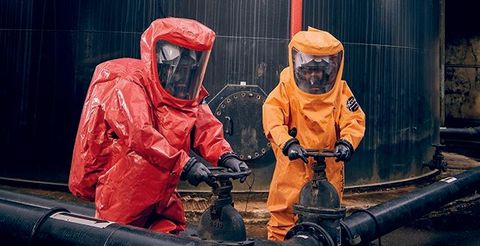
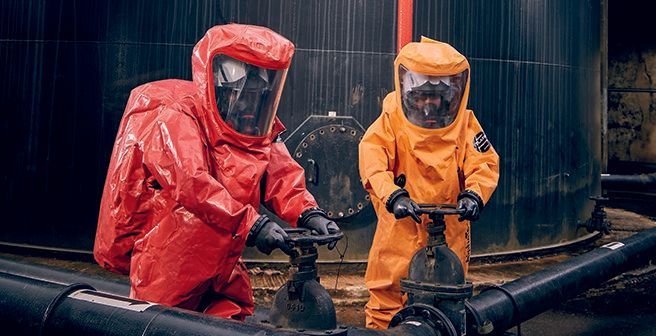
Context A worker protective suit is specialized clothing designed to safeguard individuals from hazards in industrial, medical, construction, chemical, and environmental settings. These suits act as a barrier between a person and risks such as chemicals, heat, biological agents, radiation, sharp materials, airborne particles, and environmental contaminants. The concept of protective clothing is not new, but its importance has grown over the past decades as workplaces deal with more advanced machinery, evolving chemicals, global health concerns, and improved safety standards.
Modern protective suits are created using materials like non-woven fabrics, polymer coatings, advanced fibers, and multilayer laminates. The goal is to reduce exposure to physical, chemical, thermal, and biological hazards while still allowing the wearer to move comfortably. With industries becoming more regulated and workers facing diverse workplace risks, protective suits have transitioned from basic coveralls to engineered safety gear backed by testing standards and certifications.
Importance
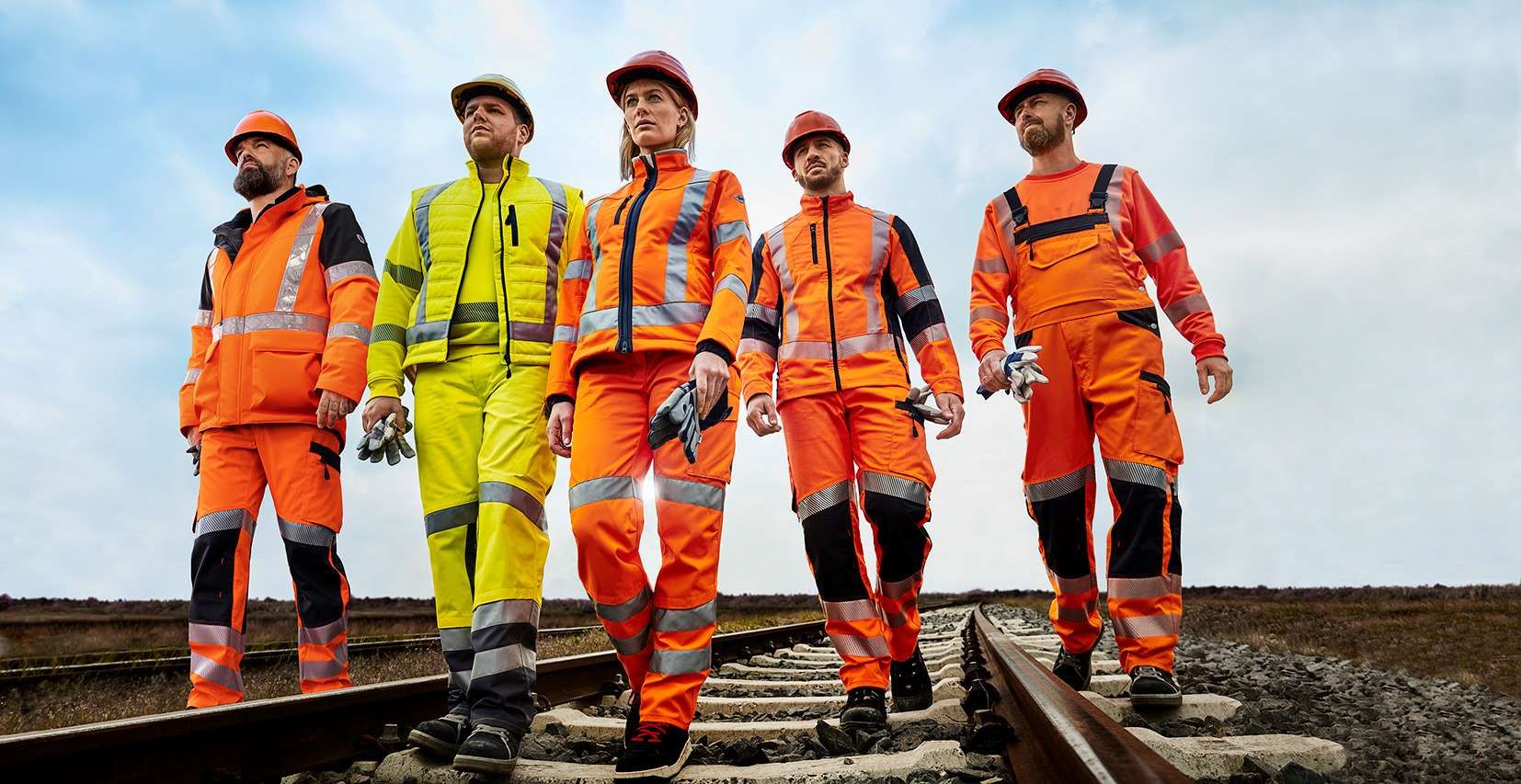
Worker protective suits matter because they reduce injuries, exposures, and long-term health risks across many sectors. They are essential in:
-
Manufacturing units handling chemicals, toxic dust, or heated machinery
-
Construction sites where debris, dust, or abrasives are present
-
Healthcare environments facing infectious agents
-
Laboratories involved in biological or chemical research
-
Firefighting, hazardous material response, and emergency situations
-
Agriculture and pesticide-related activities
These suits help solve problems such as direct contact with hazardous substances, contamination of work environments, respiratory risks from airborne particles, and burns from heat or sparks. Their usage affects workers, supervisors, safety teams, compliance officers, and organizations responsible for maintaining safe environments.
They also support occupational health goals, enabling industries to follow national and international safety standards. With growing awareness around worker safety, organizations today consider protective suits part of core risk-management practices.
Recent Updates
In the past year, several developments have influenced the use and design of protective suits:
2024–2025 material innovations
Research reports published in early 2024 highlighted increased demand for breathable yet barrier-strong fabrics. Manufacturers have been focusing on multilayer composite materials that offer better resistance to chemical penetration while improving comfort for long work hours.
Growing attention to heat-resistant suits (2024)
Due to rising temperatures in many regions and increased industrial heat exposure reports, heat-protective clothing gained attention. New heat-blocking fiber technologies were introduced in mid-2024 that reduce thermal transfer.
Updates in biological protection (2024–2025)
Global health alerts in late 2024 prompted renewed emphasis on biological protective suits used in medical and laboratory environments. Guidelines encouraged improved seam sealing, hood design, and filtration compatibility.
Digitally enhanced protective equipment
By early 2025, multiple safety organizations reported the development of sensor-embedded protective wear. These sensors monitor temperature, humidity inside the suit, and chemical exposure levels, offering additional data for occupational safety teams.
These updates show that protective suits continue to evolve as workplace risks and global conditions change.
Laws or Policies
Regulations vary by country, but most regions follow similar safety frameworks requiring protective clothing when workplace hazards cannot be eliminated through other controls.
Below is a general overview of how rules and standards influence protective suits:
Occupational Safety Regulations
Many countries follow national workplace safety acts requiring employers to identify hazards and provide suitable protective clothing where needed. These laws mandate risk assessments, training on proper use of protective suits, and routine inspections.
Standards for Material Performance
Common international technical standards include:
-
ISO 16603 / ISO 16604 for resistance to blood-borne pathogens
-
ISO 13982-1 for particle protection
-
ISO 6530 for chemical liquid penetration resistance
-
ISO 11612 for heat and flame protection
-
IEC 61482 for electric arc protective clothing
These standards define levels of protection and ensure suits meet minimum performance criteria.
Environmental and Chemical Safety Rules
Chemical handling guidelines require protective suits for exposure to corrosive liquids, toxic vapors, or hazardous waste. Industries managing these chemicals must provide properly rated protective suits and maintain compliance documentation.
Health Policies in Medical Environments
Healthcare regulations require the use of protective clothing during infectious disease handling, sterilization processes, and laboratory testing. Rules often include proper disposal procedures, storage, and periodic reassessment of protective clothing effectiveness.
Regulations support safer workplaces by making protective suits not optional but a necessary part of occupational health requirements.
Tools and Resources
Several helpful tools and resources support safety assessment, selection, and information regarding protective suits:
Digital Tools
-
Hazard Assessment Checklists
Available through safety organizations and allow users to evaluate workplace risks and determine the required protection level. -
Material Comparison Tools
Online platforms that compare fabric types for chemical, thermal, or particle resistance ratings. -
PPE Compatibility Charts
Guides showing which gloves, masks, or boots match specific protective suit categories.
Educational Resources
-
Safety data sheet libraries
Databases that list chemical hazards and recommend protective clothing types. -
International safety standards repositories
Provide detailed documents on ISO and other performance requirements for protective suits. -
Workplace health and safety portals
Government or academic websites offering training material, illustrations, and step-by-step safety protocols.
Templates and Guides
-
Risk Identification Templates
Used for documenting potential hazards and recommended protective suit categories. -
PPE Inspection Checklists
Allow users to maintain suit quality by tracking wear, tear, and contamination. -
Emergency Response Flowcharts
Visual guides explaining which protective clothing is required in different situations.
These resources support safety officers, trainers, and workers in maintaining consistent, informed protective-suit practices.
Additional Reference Table
Below is a simple comparison table used for general understanding of common protective suit categories:
| Suit Category | Primary Protection | Typical Usage | Material Type |
|---|---|---|---|
| Chemical-Resistant | Liquids, vapors, toxic chemicals | Industrial plants, labs | Laminated barrier fabrics |
| Heat-Resistant | Flames, sparks, radiant heat | Welding, firefighting | Aramid fibers, aluminized fabrics |
| Biological-Protective | Viruses, bacteria, contamination | Healthcare, research | Non-woven multilayer materials |
| Particle-Barrier | Dust, airborne particles | Construction, processing | SMS, spunbond fabrics |
| Multipurpose | Combined low-level hazards | General industries | Polypropylene-based suits |
FAQs
1. What is the main purpose of a worker protective suit?
Its purpose is to reduce exposure to harmful substances, heat, contaminants, or mechanical risks in workplaces that present safety hazards. It acts as a physical barrier between the worker and the hazard.
2. How are protective suits classified?
They are usually classified based on the type of protection they provide, such as chemical protection, heat resistance, biological safety, or particle barrier performance. International standards define the exact levels and categories.
3. Can one protective suit be used for all hazards?
No. Protective suits are designed for specific risks. A suit meant for dust protection may not protect against chemicals, and a heat-resistant suit may not offer biological protection. Choosing a suit requires matching it to the hazard assessment.
4. How should a protective suit be maintained?
Maintenance depends on material type. Many suits are single-use, while reusable suits require cleaning, inspection for damage, proper storage, and periodic replacement. Regular checks ensure the protective barriers remain effective.
5. What factors determine the right protective suit for a task?
Important factors include the hazard type, exposure duration, movement requirements, environmental conditions, compatibility with other protective equipment, and compliance with standards or regulations.
Conclusion
Worker protective suits play a key role in preventing injuries, exposures, and hazardous contact across diverse industries. They exist because workplaces involve complex and evolving risks that cannot always be eliminated through engineering or administrative controls. With ongoing innovations in materials and design, protective suits continue to improve in comfort, durability, and performance.
Recent trends show growing interest in heat-resistant technologies, biological protection, and sensor-integrated protective wear. Regulations and international standards guide how these suits should perform, ensuring safety remains consistent across sectors. With accessible tools, checklists, and online resources, workers and safety teams can better understand how to select and maintain reliable protective suits.
A clear understanding of protective suit categories, proper usage, and compliance requirements contributes to safer workplaces and supports broader occupational health goals.