Hoisting Cranes Explore Guide: Basics, Insights & Key Information
Context Hoisting cranes are mechanical lifting machines designed to raise, lower, and move heavy objects in industrial settings. These systems exist to support tasks that humans cannot perform manually due to weight, risk, or scale. They combine hoists, pulleys, ropes, chains, and structural frameworks to achieve controlled lifting. Their development grew from traditional lifting tools such as block-and-tackle systems to today’s advanced electric, hydraulic, and automated cranes.
Modern hoisting cranes operate in manufacturing, construction, logistics, ports, mining, and infrastructure projects. The purpose of these machines is to ensure stable handling of heavy loads and improve efficiency during material-handling processes. Over time, the technology behind hoisting cranes has shifted toward improved precision, automation capabilities, and better safety monitoring.
Importance
Hoisting cranes matter because they support industries that require heavy-load management and repetitive lifting processes. They play a role in construction projects, warehouse operations, industrial production lines, shipyards, and transportation hubs. Without such machines, many large-scale activities—such as building high-rise structures or handling shipping containers—would be significantly slower or potentially unsafe.
Their importance is also linked to safety. Hoisting cranes reduce the risk of injuries caused by manual lifting, incorrect load distribution, or unstable material handling. Advanced models include sensors, load-limiting devices, and structural monitoring features that enhance workplace safety.
They help in solving key challenges such as:
-
Heavy-load transport where precision and stability are required
-
Space constraints where vertical movement is more efficient
-
Workflow delays caused by manual handling
-
Risk reduction in hazardous environments
-
Efficiency improvements for large project timelines
The global industrial ecosystem relies heavily on hoisting cranes to maintain continuity in construction and manufacturing, making them a foundational part of modern infrastructure systems.
Recent Updates
The hoisting crane sector has witnessed several developments over the past year. Trends from 2024–2025 show a shift toward smarter control systems, sustainability-focused technologies, and improved safety engineering.
Key updates include:
-
IoT-Enabled Monitoring (2024):
Many crane manufacturers introduced digital dashboards to track load weight, operating hours, vibration levels, and predictive maintenance indicators. These updates support data-driven safety compliance. -
Automation and Remote Operation (2024–2025):
Remote-controlled hoisting cranes gained popularity in manufacturing and shipyards. This trend increases operator safety in hazardous areas. -
Lightweight High-Strength Materials (2024):
Steel alloys and composite materials were introduced to reduce crane weight while maintaining strength, improving energy efficiency and load management. -
Safety Standards Updates (2025):
Several global bodies introduced revisions to load-lifting standards, requiring clearer labeling, testing procedures, and structural inspection cycles. -
Electric Power Adoption (2024–2025):
A move toward electric hoisting cranes helped reduce industrial emissions and provide smoother load control.
These updates reflect the wider shift toward digital automation, occupational safety, and efficient industrial processes.
Laws or Policies
Hoisting cranes fall under regulations relating to machinery safety, occupational safety, and industrial standards. Most countries follow engineering codes that specify design parameters, inspection intervals, load limits, and proper operation conditions.
While policies vary by region, common regulatory themes include:
-
Mandatory annual or periodic crane inspections
-
Load test requirements for lifting equipment
-
Operator training and competency guidelines
-
Standards for structural stability and installation
-
Rules for safe working loads and labeling
-
Documentation of maintenance logs
Many countries adopt guidelines aligned with:
-
ISO 4301–1 for crane classification
-
ISO 9927 for crane inspections
-
General machinery safety directives
-
Occupational safety regulations specifying workplace conditions
Government programs often emphasize accident prevention, safe construction practices, and industrial infrastructure standards. These policies ensure cranes are designed, installed, and used in a safe and accountable manner.
Tools and Resources
A number of tools, resources, and references support the understanding, planning, and safe operation of hoisting cranes.
Helpful resources include:
-
Load Calculation Tools
-
Digital calculators that determine lifting capacity, sling angle forces, and load distribution
-
-
Inspection Checklists
-
Templates that help document routine checks and identify early signs of wear
-
-
Operator Training Materials
-
Educational modules and technical manuals explaining operational guidelines
-
-
Standards and Engineering Guides
-
ISO reference documents and structural engineering guidelines
-
-
Mobile Apps
-
Tools for monitoring crane performance, logging operating hours, and tracking maintenance cycles
-
-
Technical Drawings and Specification Sheets
-
Documents that illustrate machine dimensions, lifting capabilities, and safety features
-
-
Safety Monitoring Systems
-
Digital dashboards used in industrial settings for load tracking and real-time alerts
-
These tools support better planning, risk management, and documentation for crane-related activities.
Table: Common Types of Hoisting Cranes and Their Typical Uses
| Crane Type | Typical Use Case | Key Feature |
|---|---|---|
| Overhead Crane | Manufacturing plants, warehouses | Ideal for repetitive lifting across fixed paths |
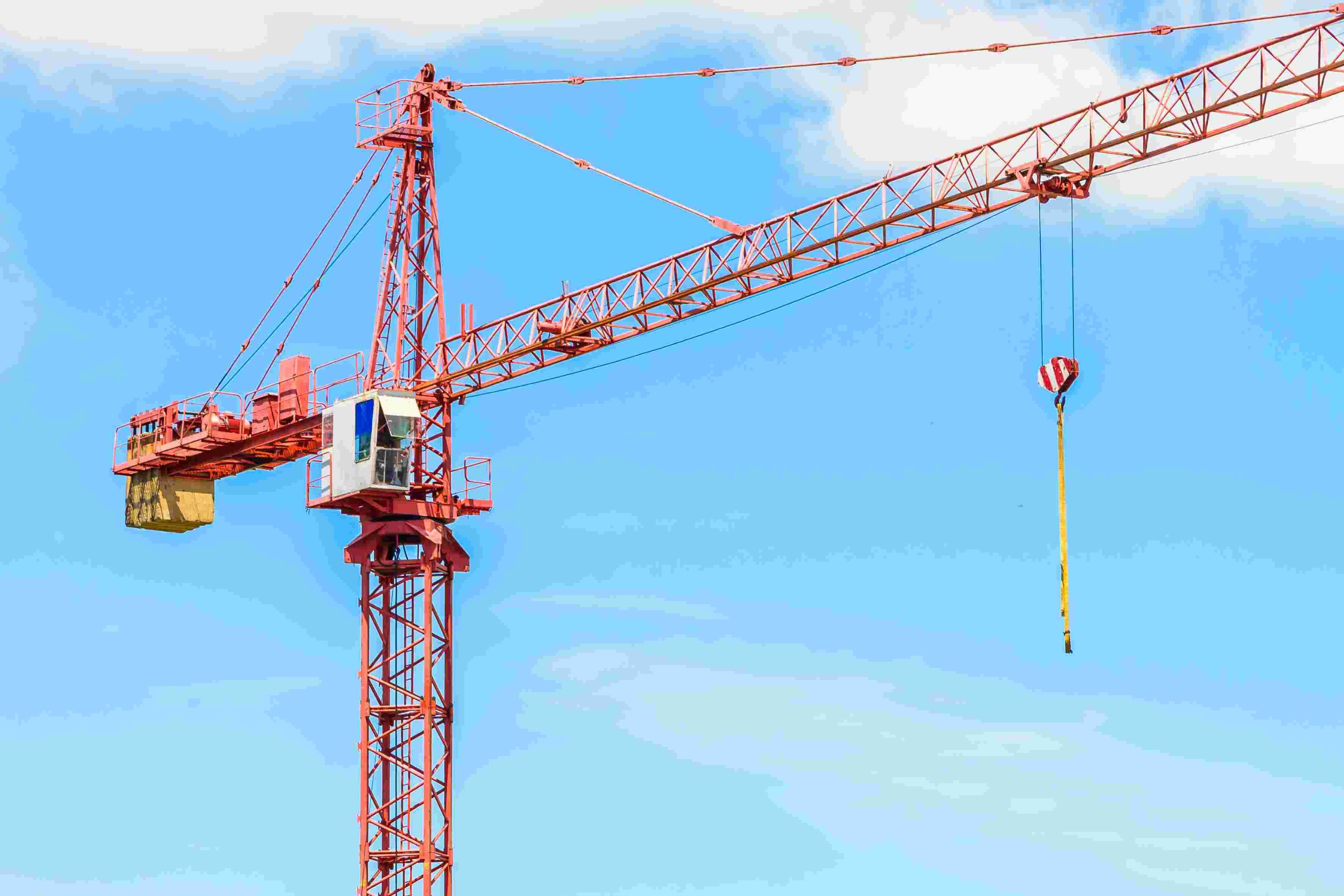
| Tower Crane | High-rise construction | High vertical reach and load precision |
| Gantry Crane | Shipyards, outdoor yards | Freestanding structure for container handling |
| Jib Crane | Small workshops | Highly flexible rotary movement |
| Mobile Crane | Construction sites | Portable and easy to position |
| Electric Hoist Crane | Assembly lines | Smooth lifting and controlled movement |
Table: Essential Safety Concepts in Hoisting Cranes
| Safety Concept | Description |
|---|---|
| Safe Working Load | Maximum weight the crane can safely lift |
| Sling Angle Factor | Load impact depending on sling angle |
| Preventive Maintenance | Routine checks to avoid breakdowns |
| Load Stability | Ensuring center of gravity alignment |
| Emergency Protocols | Steps followed during equipment faults |
FAQs
What is the main purpose of a hoisting crane?
A hoisting crane is designed to lift, lower, and move heavy loads safely and efficiently. It supports industries where manual lifting is not possible due to weight or height.
How often should hoisting cranes be inspected?
Inspection frequency depends on usage, but most regulations require routine checks and periodic detailed inspections. Daily visual checks are common in operational environments, while formal inspections are usually required at fixed intervals.
What factors determine load capacity?
Load capacity is influenced by structural design, hoist mechanism, sling configuration, material strength, and safety factors defined by engineering standards.
Are hoisting cranes the same as lifting hoists?
They are related but not identical. A hoist is a lifting mechanism, while a hoisting crane includes additional components such as a supporting structure, control mechanisms, and movement systems.
What are common risks associated with hoisting operations?
Common risks include overloading, unstable loads, mechanical failures, poor visibility, and incorrect sling application. Proper training and safety protocols significantly reduce these risks.
Conclusion
Hoisting cranes play an essential role in modern industrial operations by enabling safe and efficient heavy-load management. Their development reflects advancements in engineering, automation, and workplace safety. With continuous updates in global standards and monitoring technologies, hoisting cranes contribute to more reliable and stable working environments. Understanding the basics, safety considerations, and regulatory expectations helps industries maintain responsible and well-structured lifting operations.