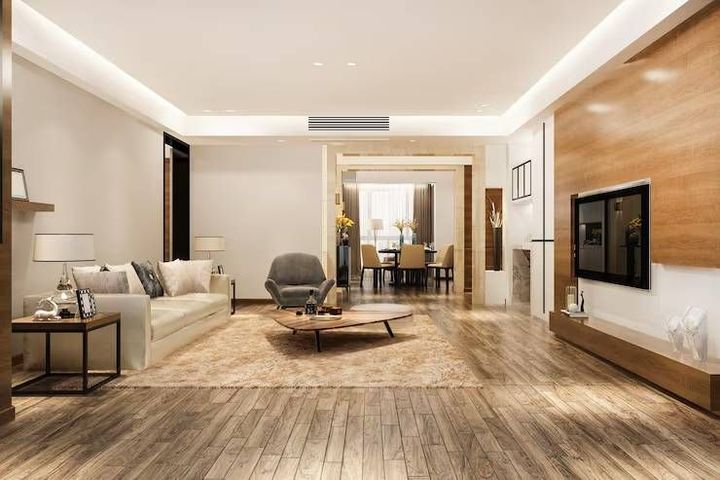
Wooden Flooring Guide: Understanding Types, Materials, and Installation Basics
Wooden flooring is a type of interior floor covering made from natural wood or wood-based materials.
It has been used in buildings for centuries because wood can be shaped into boards, treated for durability, and incorporated into different architectural styles. Modern wooden flooring includes several forms, such as solid hardwood, engineered wood, and laminate products designed to provide a wood-like appearance.
A Wooden Flooring Guide helps readers understand how these materials differ before considering them for a room. Flooring is more than a surface to walk on; it can influence room appearance, maintenance routines, comfort, and how a space responds to moisture and temperature changes.
Understanding Wooden Flooring Materials
Solid hardwood flooring is produced from a single piece of natural wood. Common species include oak, maple, ash, walnut, and several tropical or regional hardwoods. The appearance depends on the species, grain pattern, color, board width, and surface treatment.
Engineered wood flooring has a layered construction. A natural wood surface layer is attached to several supporting layers, often made from wood-based material. This structure can provide greater dimensional stability than a single solid piece when indoor temperature and humidity fluctuate.
Laminate flooring is different from solid and engineered wood because it does not consist primarily of natural wood throughout the board. Instead, it generally has a decorative layer that reproduces the appearance of wood over a composite core, along with protective surface layers.
Main Flooring Types
The main options can be compared according to their construction and typical characteristics.
| Flooring Type | Main Construction | Moisture Stability | Refinishing Potential | Typical Use |
|---|---|---|---|---|
| Solid hardwood | Single wood piece | Moderate | Multiple times, depending on thickness | Living rooms, bedrooms |
| Engineered wood | Wood surface with layered core | Generally higher than solid wood | Depends on surface thickness | Various interior rooms |
| Laminate | Composite core with decorative layer | Varies by product | Generally not refinished like hardwood | Living areas and bedrooms |
Each type has different installation requirements and maintenance considerations. The appropriate choice depends on room conditions, subfloor characteristics, appearance preferences, and expected use.
Importance
Wooden flooring matters because floors receive continuous daily use. Foot traffic, furniture movement, cleaning, humidity, sunlight, and accidental spills can all influence how a floor looks and performs over time.
Understanding flooring materials can also help prevent mismatches between a material and the environment where it is installed. For example, areas with frequent moisture exposure require more careful material selection than dry living spaces.
Where Wooden Flooring Is Commonly Used
Wood-based flooring is frequently associated with bedrooms, living rooms, dining areas, hallways, offices, and other interior spaces. Its visual character can range from traditional to contemporary depending on board design, wood species, finish, and installation pattern.
Some flooring products are designed for areas where temperature and humidity fluctuate more than others. However, product specifications should always be checked because construction and performance can vary between materials.
Factors That Affect Flooring Performance
Several everyday conditions can influence the appearance and condition of a wooden floor:
- Humidity changes can cause natural wood to expand or contract.
- Direct sunlight can gradually alter the color of some wood surfaces.
- Sand, grit, and dirt can contribute to surface scratching.
- Standing moisture can damage materials that are not designed for prolonged water exposure.
- Furniture movement can create marks when protective pads are not used.
- Incorrect subfloor preparation can contribute to movement, gaps, or uneven areas.
These factors explain why installation and maintenance are closely connected. A suitable material can still experience problems if the surrounding conditions or installation method are inappropriate.
Installation Basics
Installation normally begins with inspection and preparation of the subfloor. The surface needs to be sufficiently clean, stable, and level for the selected flooring system. Moisture conditions may also need to be assessed, particularly when the flooring is being installed over concrete.
Wood flooring may be installed using different methods, including nailing, stapling, gluing, or floating installation. The method depends on the flooring construction and manufacturer specifications.
Before installation, some products require acclimatization so that the material can adjust to indoor conditions. Expansion gaps may also be necessary around walls and fixed objects to accommodate natural movement.
Recent Updates
The wooden flooring sector has continued to develop through changes in material construction, surface treatments, installation systems, and interior design preferences. From 2024 through 2026, general trends have included greater interest in natural-looking surfaces, wider visual planks, textured finishes, and flooring designs that emphasize wood grain.
Movement Toward Natural Appearance
Interior design has increasingly included materials and finishes that create a natural visual environment. In wooden flooring, this has contributed to interest in visible grain, understated finishes, warmer tones, and surface textures that resemble naturally aged wood.
Matte and low-sheen surfaces are also commonly associated with contemporary flooring designs because they can create a softer visual appearance than highly reflective finishes.
Developments in Engineered Flooring
Engineered wood continues to receive attention because its layered structure can provide dimensional stability in indoor environments. Improvements in core construction, surface finishing, board dimensions, and installation systems have expanded the range of designs available.
Manufacturers have also continued developing products with different thicknesses, surface treatments, and locking systems. These variations allow flooring to be designed for different subfloors and interior conditions.
Greater Attention to Material Transparency
Environmental considerations have become increasingly relevant when people evaluate wood-based building materials. Information about wood sourcing, manufacturing practices, product composition, and certification can help users understand where materials originate and how they are produced.
Digital product documentation has also become more common, allowing specifications, installation instructions, maintenance information, and technical details to be accessed through online platforms.
Tools and Resources
Several resources can help readers understand flooring requirements and prepare for an installation project. Flooring calculators can estimate the amount of material needed by using room dimensions and allowing for an additional allowance for cutting and fitting.
Useful Planning Tools
A basic floor measurement worksheet can record room length, room width, door openings, unusual corners, and areas that require different flooring. A moisture meter may also be used to assess certain subfloor conditions, although readings need to be interpreted according to the flooring and subfloor specifications.
Manufacturer installation manuals are another important resource because they explain approved installation methods, subfloor requirements, expansion spacing, cleaning instructions, and environmental limitations.
Online Information Resources
Building-material information websites, flooring manufacturers' technical libraries, home improvement guides, and architectural reference platforms can provide educational information about flooring construction and maintenance. Product specification sheets are particularly useful for checking thickness, wear layers, surface finishes, installation systems, and room suitability.
A simple comparison worksheet can also help organize information about solid hardwood, engineered wood, and laminate flooring without relying only on appearance.
FAQs
What is a Wooden Flooring Guide?
A Wooden Flooring Guide explains the different types of wood-based flooring, their materials, construction, installation methods, maintenance requirements, and general suitability for different indoor environments.
What are the main types of wooden flooring?
The main categories include solid hardwood, engineered wood, and laminate flooring. Solid hardwood consists of natural wood, engineered flooring combines a wood surface with layered supporting materials, while laminate uses a decorative wood appearance over a composite structure.
Is engineered wood different from solid wooden flooring?
Yes. Solid flooring is made from a single piece of wood, while engineered flooring uses multiple layers with a natural wood surface. The layered structure can provide greater dimensional stability under changing indoor conditions.
How is wooden flooring installed?
Installation methods can include nailing, stapling, gluing, or floating systems. The correct approach depends on the flooring construction, subfloor, room conditions, and installation instructions provided for the specific product.
Can wooden flooring be used in every room?
Not necessarily. Moisture, humidity, temperature variation, and expected usage differ between rooms. Flooring specifications should be checked before installation, particularly in areas where water or high humidity may be present.
Conclusion
Wooden flooring includes several material categories with different construction methods, appearance characteristics, and installation requirements. Solid hardwood, engineered wood, and laminate each respond differently to moisture, temperature changes, wear, and maintenance conditions. Understanding subfloors, installation methods, room conditions, and material specifications provides useful context when studying flooring options. Current flooring trends continue to emphasize natural appearances, textured surfaces, engineered construction, and clearer product information.