What Is Flexible Packaging Machinery and How Does It Work?
Flexible packaging machinery consists of specialized equipment used to form, fill, seal, wrap, label, and inspect packages made from flexible materials.
These materials can include plastic films, laminated films, paper-based structures, aluminum foil, and multilayer packaging materials.
Flexible packaging machines are widely used for food, beverages, pharmaceuticals, personal care products, household goods, and industrial products. Depending on the application, a production line may combine film handling, forming, filling, sealing, cutting, coding, and inspection systems.
Why Flexible Packaging Machinery Matters
Flexible packaging can provide a combination of lightweight construction, product protection, efficient material use, and convenient package formats. Machinery is required to convert flexible packaging materials into consistent finished packs at controlled production speeds.
Modern flexible packaging equipment can support:
- Film feeding and web handling
- Bag and pouch forming
- Product filling
- Heat sealing
- Cutting and trimming
- Printing and coding
- Label application
- Quality inspection
- Automated material handling
The machine configuration depends on the packaging material, product characteristics, package design, production volume, and required sealing method.
Main Components of Flexible Packaging Machinery
A flexible packaging line can contain several integrated components.
| Component | Primary Function |
|---|---|
| Film unwinding system | Feeds packaging material |
| Web guide | Maintains material alignment |
| Forming unit | Shapes film into the required package |
| Filling system | Introduces the product |
| Sealing system | Creates sealed package edges |
| Cutting system | Separates individual packages |
| Coding system | Adds dates, codes, or variable information |
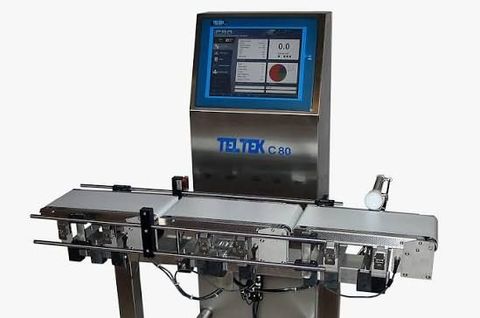
| Inspection system | Checks package quality |
Not every machine contains all these components. The configuration is selected according to the packaging application.
How Flexible Packaging Machinery Works
Although machine designs vary, most flexible packaging systems follow a sequence of material handling, forming, filling, sealing, and inspection.
1. Film Loading and Unwinding
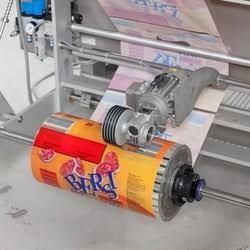
The packaging film is loaded onto an unwind station. The system gradually releases the film while controlling web tension.
Stable tension is important because variations can affect film positioning, forming accuracy, printing registration, and sealing.
2. Web Alignment
The film passes through rollers and web-guiding systems that keep it correctly positioned.
Sensors can detect the film edge or printed registration marks and automatically make adjustments where required.
3. Film Forming
Depending on the package design, the film may be folded, shaped, or formed around a forming collar or other tooling.
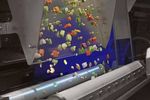
For vertical form-fill-seal systems, a continuous film web can be formed into a tube before the product is introduced.
Horizontal systems may form packages differently, particularly for individually wrapped products.
4. Product Filling
Once the package structure is prepared, the product is introduced through a controlled filling system.
The filling technology depends on the product characteristics.
Common approaches include:
- Volumetric filling
- Auger filling
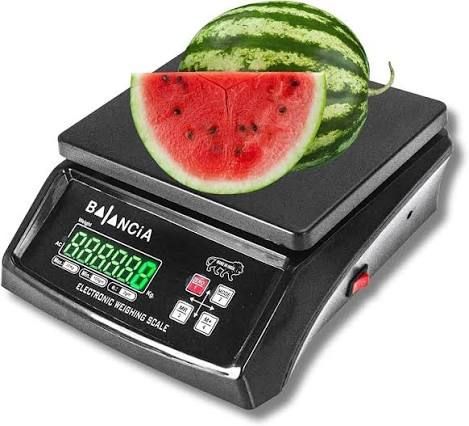
- Weighing systems
- Pump-based filling
- Liquid filling
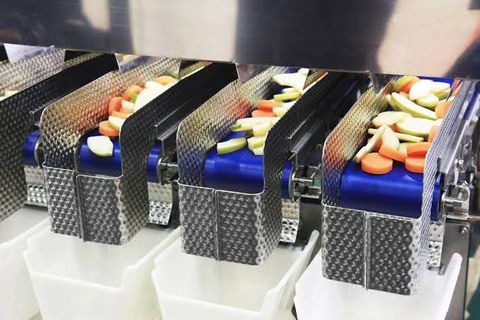
- Multihead weighing
Accurate filling is important for maintaining consistent package contents and minimizing process variation.
5. Sealing
After filling, the packaging material is sealed.
Heat sealing is widely used for flexible films. Heated sealing surfaces apply controlled temperature, pressure, and dwell time to create a sealed area.
Other sealing technologies may be used for specialized materials and applications.
6. Cutting
After sealing, the machine separates individual packages from the continuous film.
Cutting systems may use knives, rotary cutters, or other mechanisms depending on the package format and production configuration.
7. Coding and Marking
Some packaging lines integrate printing or coding systems that apply information such as:
- Manufacturing dates
- Expiration dates
- Batch numbers
- Serial information
- Barcodes
- QR codes
Digital coding systems can receive variable information directly from production software.
8. Inspection
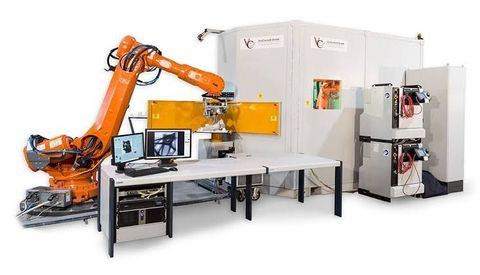
Automated inspection systems can check package characteristics during production.
Vision systems and sensors may detect:
- Missing or incorrect codes
- Seal defects
- Incorrect product placement
- Package dimensions
- Film positioning
- Printing errors
Defective packages can potentially be identified and removed from the production flow.
Types of Flexible Packaging Machinery
Different machine types are designed for different package formats.
Vertical Form-Fill-Seal Machines
Vertical form-fill-seal (VFFS) machines form a package from a continuous film web, fill it with product, and create seals within one integrated process.
They are commonly used for powders, granules, snacks, dry foods, and other products that can be dosed vertically.
Horizontal Form-Fill-Seal Machines
Horizontal form-fill-seal (HFFS) machines form and seal packages while products generally move horizontally through the equipment.
They can be used for individual products, solid items, bakery products, medical products, and various consumer goods.
Pouch Packaging Machines
Pouch machines produce formats such as:
- Stand-up pouches
- Flat pouches
- Spouted pouches
- Sachets
- Three-side-seal pouches
- Four-side-seal pouches
The machine configuration depends on the pouch design and product characteristics.
Wrapping Machines
Wrapping equipment surrounds products with flexible film and creates sealed packages. Flow wrapping is commonly used for individual products and grouped items.
Sachet and Stick-Pack Machines
These systems produce narrow or small-format packages for powders, granules, liquids, and other products.
Multiple lanes can be incorporated into some production configurations to increase throughput.
Flexible Packaging Machinery Applications
Flexible packaging equipment is used across many industries.
Food Packaging
Applications include snacks, grains, frozen foods, confectionery, coffee, sauces, and other packaged foods.
Pharmaceutical Packaging
Specialized machines can produce sachets, pouches, strip packs, and other flexible formats used for pharmaceutical and healthcare products.
Personal Care Products
Flexible packaging can be used for products such as wipes, powders, sample packs, and selected liquid products.
Household Products
Detergents, cleaning products, and other household goods can use flexible pouches, sachets, and refill packaging.
Industrial Products
Flexible packaging machinery can also package powders, granules, components, and other industrial products.
Factors to Consider When Selecting Flexible Packaging Machinery
Selecting the appropriate flexible packaging machinery requires an assessment of the entire packaging process.
Product Characteristics
Consider whether the product is liquid, powder, granule, solid, sticky, fragile, or free-flowing.
Packaging Material
The machine must be compatible with the selected film, laminate, paper structure, foil, or multilayer material.
Package Format
Determine whether the application requires pouches, sachets, bags, wrapped packs, stick packs, or another format.
Production Requirements
Consider required throughput, machine cycle rate, number of lanes, changeover requirements, and available production space.
Sealing Requirements
Temperature, pressure, dwell time, and sealing material all influence package integrity.
Automation
Automated systems may incorporate sensors, programmable controls, servo drives, vision inspection, and production-data integration.
Best Practices for Flexible Packaging Production
Consistent packaging requires control of materials, machine settings, and process conditions.
Useful practices include:
- Maintain stable film tension.
- Use packaging materials compatible with the machine.
- Calibrate filling systems regularly.
- Monitor sealing temperature and pressure.
- Check film alignment and registration.
- Inspect seals during production.
- Maintain coding and printing systems.
- Clean product-contact areas appropriately.
- Follow preventive maintenance schedules.
- Train operators on machine setup and changeover procedures.
Frequently Asked Questions
What is flexible packaging machinery?
Flexible packaging machinery is equipment designed to form, fill, seal, wrap, code, label, or inspect packages made from flexible materials such as films, laminates, foil, and paper-based structures.
How does flexible packaging machinery work?
The machine feeds flexible material through the system, forms the package, introduces the product, seals the package, cuts it when required, and may perform coding and inspection before the finished package exits the line.
What are VFFS and HFFS machines?
VFFS means vertical form-fill-seal, where packaging material is formed and filled vertically. HFFS means horizontal form-fill-seal, where the forming, filling, and sealing process occurs along a horizontal production path.
What products can flexible packaging machines handle?
Depending on the machine configuration, flexible packaging systems can handle liquids, powders, granules, snacks, pharmaceutical products, household products, and many other packaged goods.
What factors affect flexible packaging machine selection?
Product characteristics, packaging material, package format, filling method, sealing requirements, production volume, automation level, and available production space all influence machine selection.
Conclusion
Flexible packaging machinery integrates material handling, forming, filling, sealing, cutting, coding, and inspection into a coordinated packaging process. Different systems are designed for different products and package formats, ranging from pouches and sachets to wrapped products and stick packs.
Selecting suitable equipment requires consideration of the product, packaging material, package design, filling method, sealing requirements, and production environment. Proper machine setup, maintenance, and process monitoring can help maintain consistent package quality throughout production.