Cable Monitoring: Technologies, Benefits, Applications, and Best Practices
Cable monitoring plays an important role in maintaining the safety, reliability, and performance of electrical and communication infrastructure.
Cables are essential components in power distribution networks, industrial facilities, manufacturing plants, data centers, transportation systems, and renewable energy installations. When cables become damaged or deteriorate over time, they can cause equipment failures, service interruptions, and costly repairs.
A cable monitoring system helps organizations track cable conditions, identify potential faults, and detect abnormal operating conditions before they develop into serious problems. Using sensors, diagnostic equipment, and monitoring software, businesses can improve maintenance planning, reduce downtime, and protect critical infrastructure.
As industries increasingly adopt smart technologies and predictive maintenance strategies, cable monitoring has become an important solution for improving operational efficiency and extending the service life of cable installations.
What Is Cable Monitoring?
Cable monitoring is the process of observing and assessing the condition of cables to identify potential problems and maintain reliable operation. Depending on the application, monitoring may involve measuring temperature, electrical current, voltage, insulation condition, vibration, mechanical strain, or other performance indicators.
Traditional cable maintenance often relies on periodic inspections and scheduled testing. While these methods remain valuable, they may not identify every developing problem between inspections.
Modern cable monitoring technologies provide continuous or regular measurements that help maintenance teams recognize unusual changes in cable performance. This information allows organizations to investigate potential faults and take corrective action before unexpected failures occur.
Cable monitoring can be used for electrical power cables, industrial control cables, fiber-optic infrastructure, and other specialized cable systems.
Why Is Cable Monitoring Important?
Cable failures can affect productivity, safety, equipment performance, and business continuity. A reliable monitoring strategy helps organizations manage these risks more effectively.
1. Early Fault Detection
One of the main benefits of cable monitoring is the ability to identify warning signs before a cable fails completely. Abnormal temperatures, changes in insulation performance, and unusual electrical behavior may indicate developing problems.
Early detection gives maintenance teams more time to investigate the cause and determine the appropriate corrective action. This can be especially valuable in facilities where cable failure could interrupt critical operations.
2. Reduced Maintenance Costs
Unexpected cable failures can result in emergency repairs, replacement expenses, equipment damage, and production losses.
Cable monitoring supports condition-based maintenance by providing information about the actual operating condition of an asset. Instead of relying exclusively on fixed inspection schedules, maintenance teams can use monitoring data to prioritize work according to risk.
Although monitoring systems require an initial investment, effective implementation may help reduce long-term maintenance costs.
3. Improved Electrical Safety
Damaged, overloaded, or overheating cables can create serious electrical hazards. Monitoring helps identify abnormal conditions that may require immediate investigation.
By combining cable monitoring with suitable electrical protection devices, regular inspections, and established safety procedures, organizations can strengthen their overall risk management strategy.
4. Increased Equipment Reliability
Industrial operations depend on reliable electrical and communication infrastructure. A cable failure can stop production equipment, disrupt data transmission, or affect essential services.
Continuous monitoring can improve visibility into cable performance and help maintenance teams respond more quickly to developing issues.
5. Better Asset Management
Monitoring systems can collect historical data about cable temperature, electrical loading, alarms, and diagnostic measurements. This information helps organizations understand asset performance, plan maintenance, and make informed decisions about repairs or replacements.
Types of Cable Monitoring Systems
Different monitoring technologies are designed to detect different types of cable problems. Selecting the appropriate system depends on the cable design, operating environment, and potential consequences of failure.
1. Temperature Monitoring Systems
Temperature monitoring measures cable temperature to identify overheating and abnormal thermal conditions.
Excessive heat may result from high electrical loading, poor connections, inadequate cooling, or environmental factors. Temperature monitoring helps operators recognize these conditions and investigate their causes.
Common technologies include contact temperature sensors, fiber-optic temperature sensors, distributed temperature sensing, and infrared thermography.
These systems are frequently used in power distribution networks, industrial plants, electrical substations, tunnels, and other critical installations.
2. Partial Discharge Monitoring
Partial discharge monitoring is used primarily in high-voltage electrical systems to detect localized electrical discharges associated with insulation defects.
These discharges can indicate deterioration within cable insulation or related electrical components. Specialized diagnostic equipment detects and analyzes the signals to help engineers assess insulation condition.
Partial discharge monitoring can support maintenance planning and help identify electrical insulation problems that require further investigation.
3. Insulation Condition Monitoring
Cable insulation protects electrical conductors and helps prevent leakage currents, short circuits, and electrical breakdown.
Insulation condition monitoring uses suitable diagnostic techniques to evaluate insulation performance. Depending on the cable system, these techniques may include insulation resistance testing, dielectric measurements, and other specialized assessments.
Changes in insulation performance may indicate aging, moisture exposure, contamination, or physical damage.
Testing must be selected according to the cable type and performed by qualified personnel using appropriate procedures.
4. Fiber-Optic Cable Monitoring
Fiber-optic monitoring technologies can measure physical conditions along cable routes. Depending on the system, distributed sensing may detect temperature changes, vibration, acoustic activity, or mechanical strain.
These technologies are useful when monitoring needs to cover long distances or installations where individual sensors would be difficult to deploy.
Applications include underground power networks, industrial facilities, tunnels, railways, and other critical infrastructure.
5. Electrical Load Monitoring
Electrical load monitoring measures parameters such as current, voltage, and power consumption. These measurements help operators determine whether cables are operating within their designed limits.
When combined with temperature information and appropriate engineering calculations, load monitoring can support assessments of cable loading, operating margins, and potential overload risks.
Applications of Cable Monitoring
Cable monitoring technology supports reliable operation across a wide range of industries.
Power Generation and Distribution
Power utilities use cable monitoring to improve the reliability of underground cables, transmission systems, distribution networks, and substations. Temperature monitoring and insulation diagnostics can help identify abnormal conditions before they lead to major service disruptions.
Industrial Manufacturing
Manufacturing facilities rely on power and control cables to operate machinery, automation systems, and production lines. Monitoring helps maintenance teams detect potential faults and reduce the risk of unplanned downtime.
Data Centers and Telecommunications
Data centers and telecommunications facilities depend on reliable electrical and communication infrastructure. Cable monitoring and regular condition assessments help maintain infrastructure performance and support operational continuity.
Transportation and Railways
Railway systems use cables for signaling, communications, power distribution, and control equipment. Monitoring can help identify conditions that threaten infrastructure reliability and support more efficient maintenance planning.
Renewable Energy
Solar installations and wind farms rely on extensive electrical cabling to transmit generated power. Cable monitoring helps operators assess operating conditions and identify potential issues in critical electrical systems.
Commercial Buildings
Large commercial buildings use cables for electrical distribution, lighting, security, communication, and building automation. Monitoring and inspection programs help facility managers maintain reliable systems and identify potential maintenance requirements.
How Does a Cable Monitoring System Work?
A typical cable monitoring system combines sensing equipment, data collection hardware, analysis software, and an alerting mechanism.
The process usually involves the following steps:
Step 1: Data Collection
Sensors or diagnostic instruments measure relevant parameters such as temperature, current, voltage, vibration, or insulation condition.
Step 2: Data Transmission
The collected measurements are transferred to a local controller, monitoring platform, or centralized management system.
Step 3: Condition Analysis
Monitoring software compares the readings with predefined operating limits, historical trends, or diagnostic criteria.
Step 4: Alert Generation
When the system identifies an abnormal reading or potentially dangerous condition, it can notify operators or maintenance personnel.
Step 5: Maintenance Response
Qualified personnel investigate the alert, confirm the problem, and decide whether inspection, repair, or replacement is necessary.
Advanced monitoring systems may use data analytics to identify patterns associated with developing faults. However, accurate predictions depend on reliable measurements, appropriate models, and validation under real operating conditions.
Benefits of Real-Time Cable Monitoring
Real-time cable monitoring offers several advantages for organizations managing critical infrastructure.
Continuous visibility: Operators can observe changing cable conditions rather than relying exclusively on periodic inspections.
Faster fault response: Automated alerts help maintenance teams investigate abnormal readings promptly.
Predictive maintenance: Historical data supports assessments of deterioration and maintenance requirements.
Reduced downtime risk: Early warning signs provide an opportunity to address problems before they escalate.
Improved maintenance planning: Condition information helps organizations prioritize repairs and allocate resources efficiently.
Extended asset life: Appropriate monitoring and timely maintenance may help prevent avoidable damage and support longer service life.
Better operational decisions: Accurate monitoring records help organizations evaluate performance and plan infrastructure investments.
The results depend on the monitoring technology, installation quality, operating environment, and the effectiveness of maintenance procedures.
How to Choose the Right Cable Monitoring Solution
Selecting an appropriate cable monitoring system requires a clear understanding of technical requirements and operational priorities.
Identify Potential Cable Faults
Determine which problems are most likely to affect the installation. These may include overheating, insulation deterioration, electrical overload, mechanical damage, or external interference.
Different technologies detect different fault indicators, so the solution should match the identified risks.
Evaluate Cable Type and Installation Environment
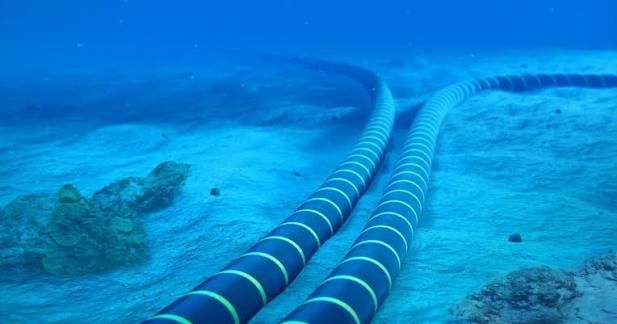
Consider the cable's voltage rating, length, insulation material, installation method, and surrounding conditions. Underground, subsea, industrial, and building installations may require different monitoring arrangements.
Check System Compatibility
Ensure the monitoring solution can integrate with existing control systems, electrical monitoring platforms, and maintenance management software where necessary.
Review Reporting and Alert Features
Look for reliable measurements, configurable alarm thresholds, historical records, trend analysis, and clear reporting features.
Calculate Total Ownership Costs
Consider installation, commissioning, calibration, software, communications, maintenance, and equipment replacement costs. A more advanced monitoring system may be justified for critical infrastructure, while simpler inspection methods may be sufficient for lower-risk installations.
Consider Technical Support
Choose a solution with appropriate documentation, installation guidance, maintenance support, and training for the personnel responsible for operating the system.
Best Practices for Effective Cable Monitoring
Organizations can improve the effectiveness of their monitoring programs by following established maintenance practices.
Identify critical cable assets and prioritize them according to operational risk.
Establish baseline measurements during commissioning or initial inspections.
Set alarm thresholds according to engineering requirements and manufacturer guidance.
Inspect and maintain monitoring sensors and associated equipment.
Investigate recurring alarms instead of repeatedly resetting them.
Maintain accurate records of measurements, faults, inspections, and repairs.
Train maintenance personnel to interpret monitoring results correctly.
Review system performance regularly and update maintenance procedures when necessary.
Monitoring data should always be interpreted in context. An isolated abnormal measurement may require verification, while a gradual change across multiple readings may indicate a developing problem.
Cable monitoring should complement, rather than replace, routine inspections, electrical protection systems, and professional engineering assessments.
Future Trends in Cable Monitoring Technology
Cable monitoring is evolving as industries adopt connected equipment, automation, and predictive maintenance.
Wireless sensors can simplify data collection in suitable environments, while distributed fiber-optic sensing can provide information across long cable routes. Advanced analytics can help maintenance teams identify patterns in large datasets and prioritize inspections more effectively.
Artificial intelligence may support fault classification and condition forecasting when sufficient reliable data is available. Integration with industrial monitoring platforms can also improve visibility across multiple assets.
As these systems become more connected, cybersecurity and access control are increasingly important. Organizations should protect monitoring data, secure communication channels, and follow appropriate operational technology security practices.
These developments offer new opportunities to improve cable reliability, but successful implementation still depends on sound engineering, accurate measurements, and timely maintenance.
Conclusion
Cable monitoring is an essential component of modern electrical infrastructure and industrial asset management. By tracking temperature, electrical loading, insulation condition, and other relevant indicators, organizations can identify developing problems, improve maintenance planning, and reduce the risk of unexpected failures.
The right cable monitoring system depends on the cable type, operating environment, potential failure modes, and consequences of downtime. Combining suitable monitoring technology with reliable data analysis, regular inspections, and timely corrective action can help improve safety, reliability, and operational efficiency.